Atmosphere
Gare has a distinctly urban, multicultural energy, with a strong concentration of shops, restaurants and nightlife around the station itself.
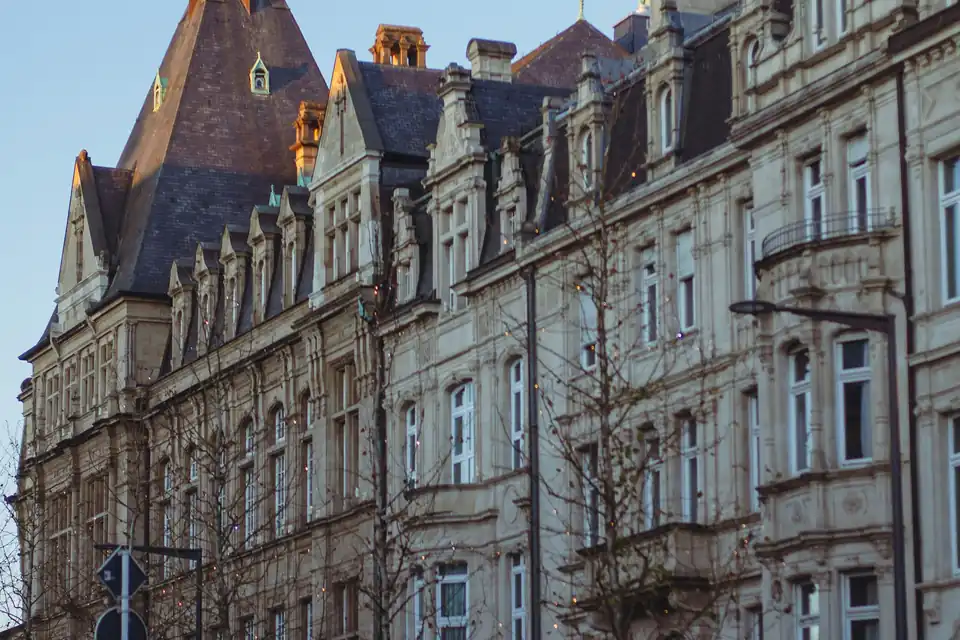
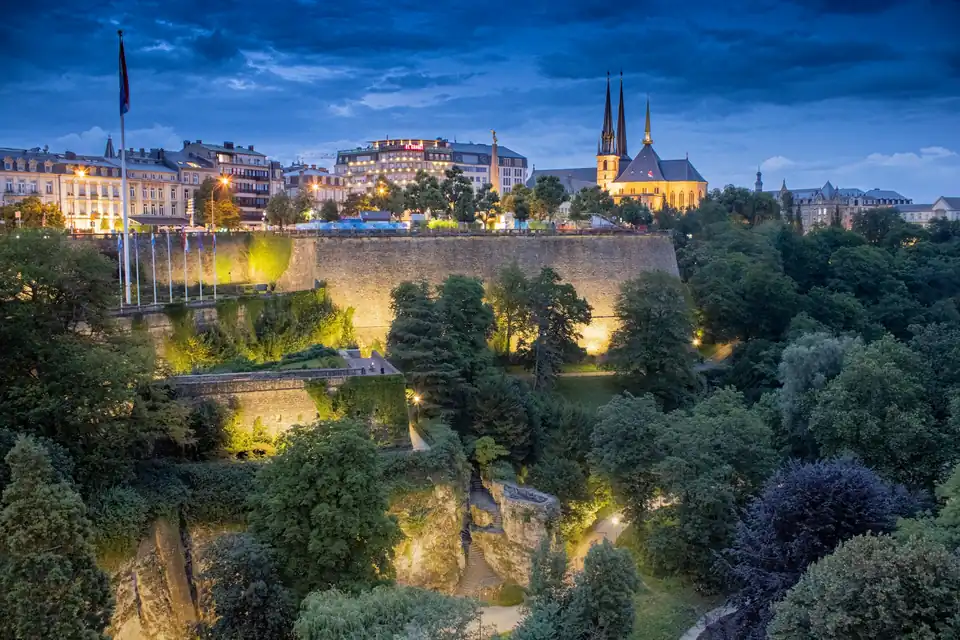
Best for frequent travellers, commuters and residents who value maximum convenience.
Gare is the district around Luxembourg City's central railway station - lively, cosmopolitan, and one of the most convenient addresses for anyone who travels often.
“If your life revolves around trains and travel, Gare is hard to beat for convenience.”
The Aura take on Gare
Gare has a distinctly urban, multicultural energy, with a strong concentration of shops, restaurants and nightlife around the station itself.
This is about as connected as it gets: the central train station puts the airport shuttle, national rail and international lines all within walking distance, alongside tram and bus links across the city.
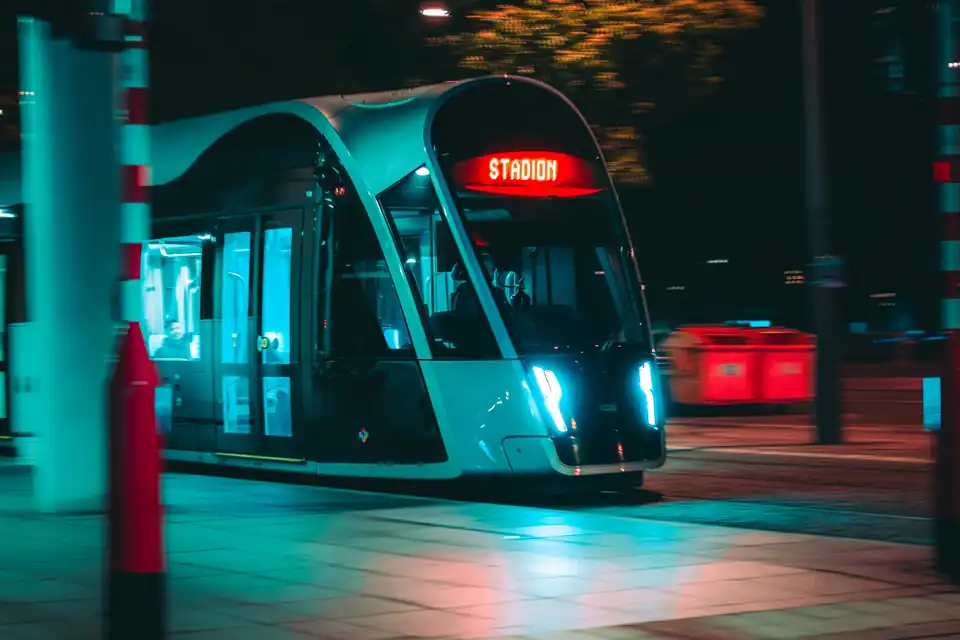
In short T1 tram, Luxembourg Central Station and a very dense bus network
Shopping streets, restaurants and late-opening cafes are all on the doorstep.
In short The station area offers supermarkets, shops, cafés, restaurants and late-opening services, with national and international rail connections on the doorstep.
Perfect for frequent travellers and anyone who wants maximum convenience over a quieter residential feel.
In short Best for frequent travellers, commuters and residents who value maximum convenience.
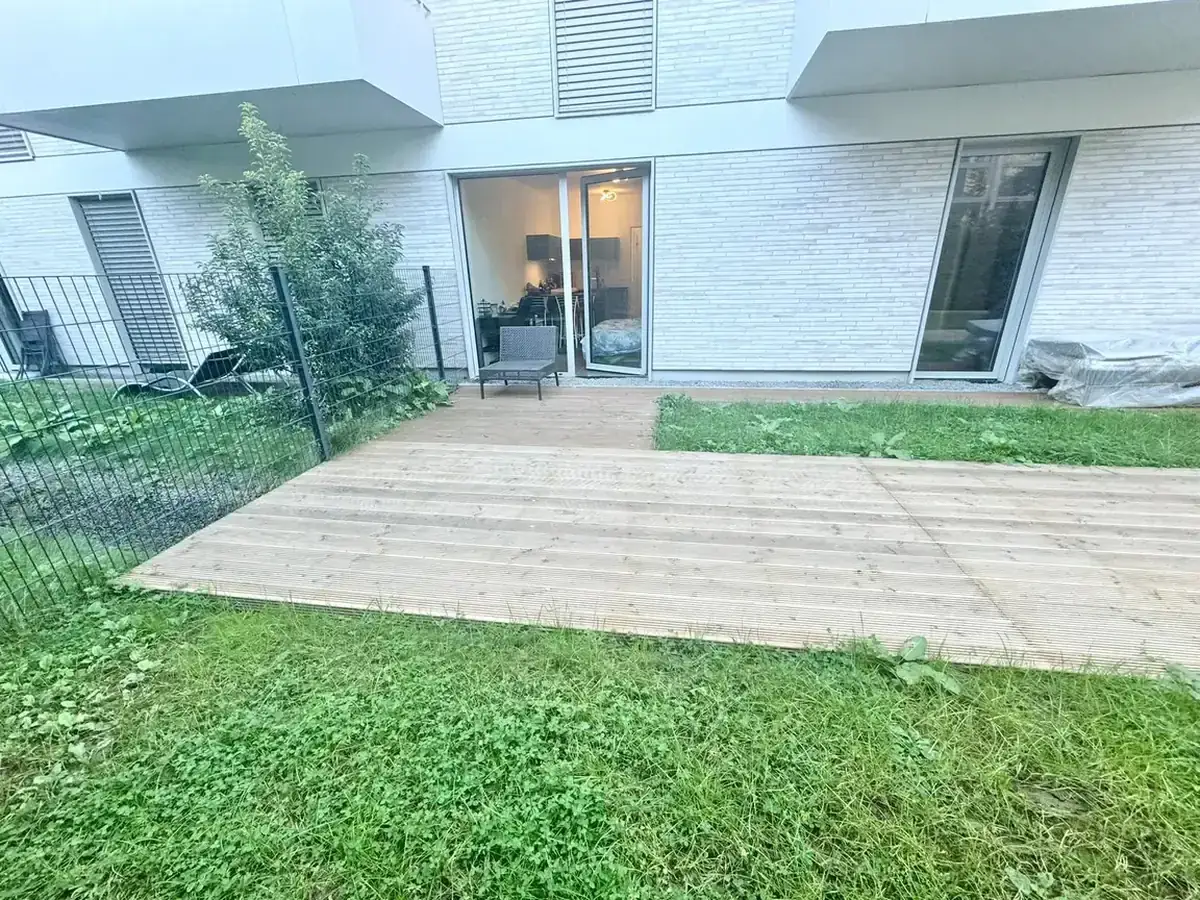
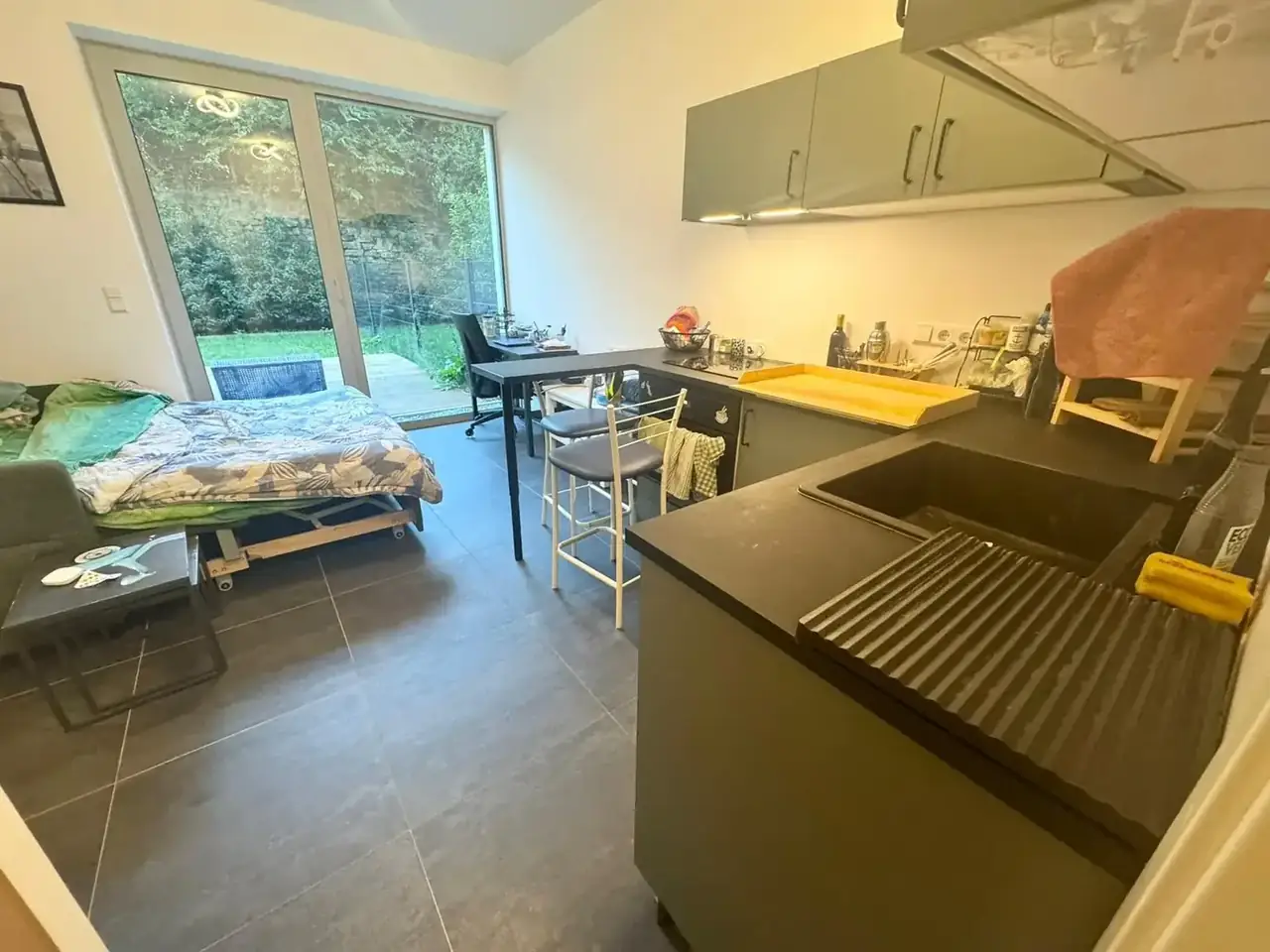
Every caption says exactly what the photograph shows. Where we let homes in Gare, you will also see real photos from our listings.
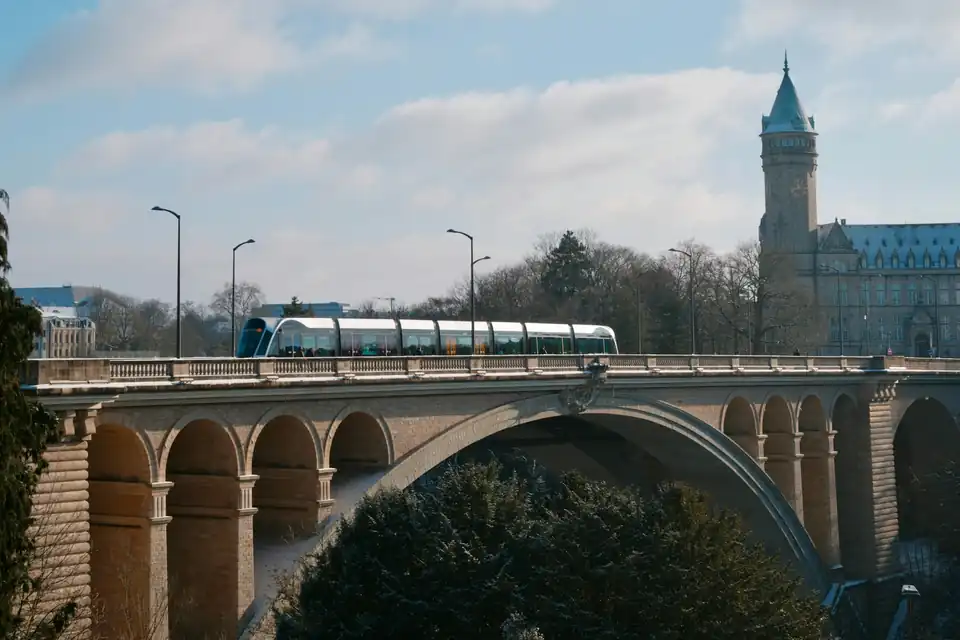
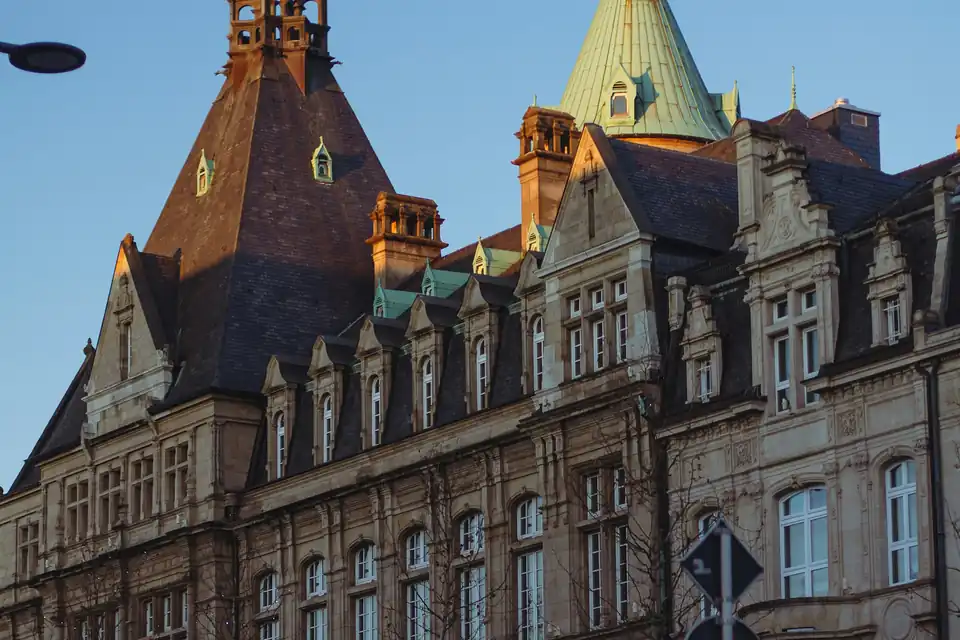
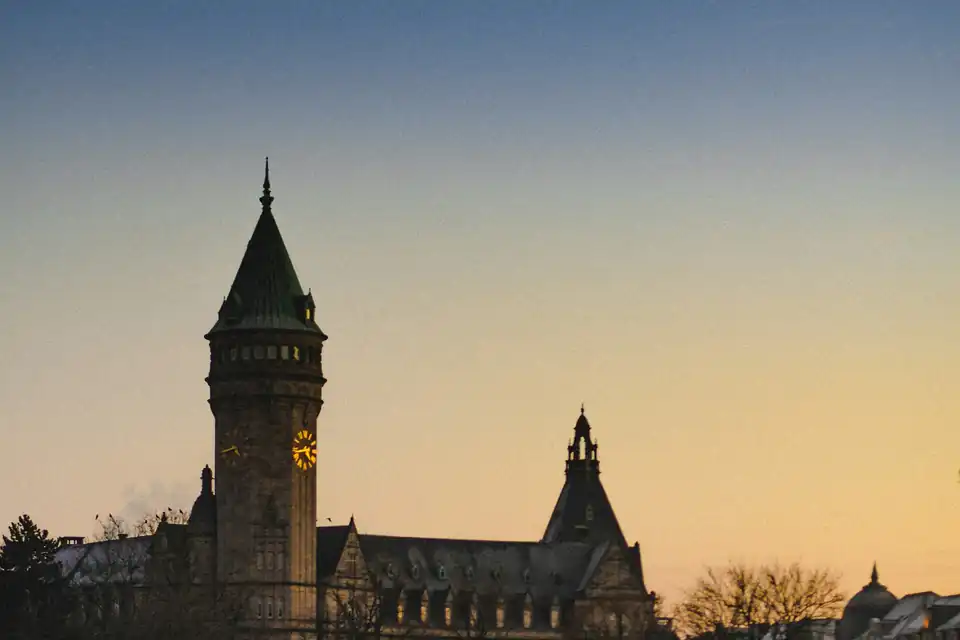
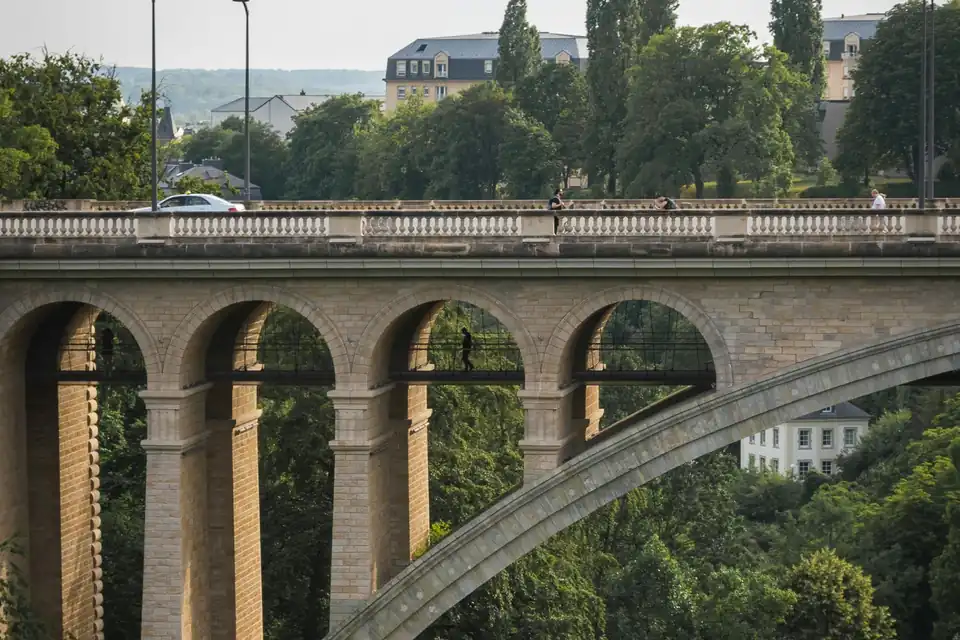
The Gare quarter is the most connected address in the country. It is built around Luxembourg Central Station, where the national and international rail network, the T1 tram and the city bus network all meet, and it has the commercial density that follows from that: shops, banks, restaurants, supermarkets and services on the street rather than in a mall.
Buildings are predominantly late nineteenth and twentieth century apartment blocks, with new construction filling gaps. Studios and small units are more available here than in most of the city, which suits people arriving alone or on a defined contract.
Gare is a real city quarter, with the activity and the unevenness that implies. Some streets are commercial and busy at all hours while others a few minutes away are residential and calm. The address matters, and it is worth viewing in the evening as well as during the day.
The T1 tram serves this part of the city, alongside the AVL bus network, and all public transport in Luxembourg is free.
| Residents | 11,292 |
|---|---|
| Area | 1.05 km² |
| Density | 10,728 residents per km² |
| Part of the city | City centre |
Population and area: district figures of the City of Luxembourg, end of 2025.
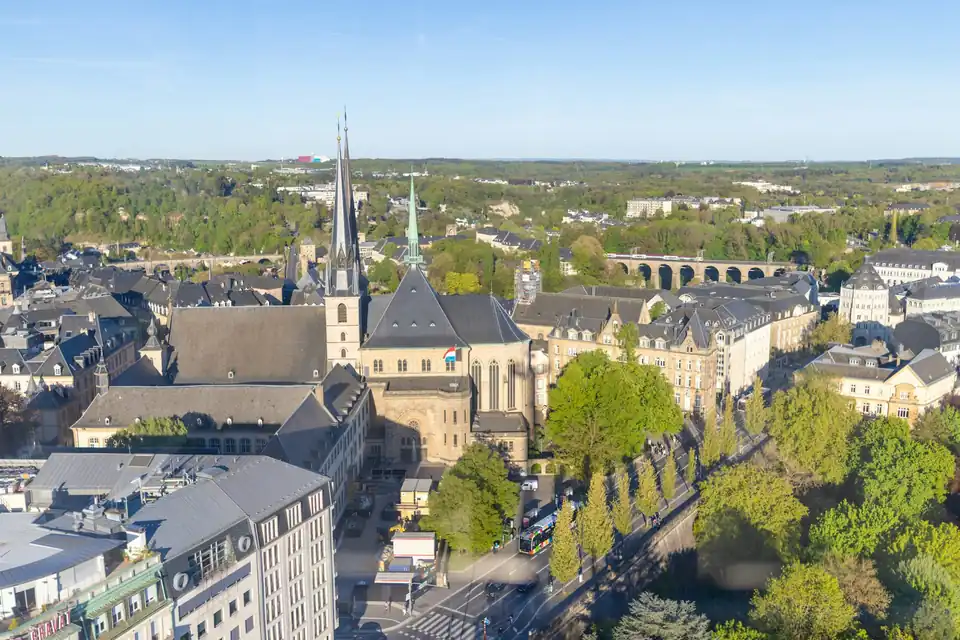
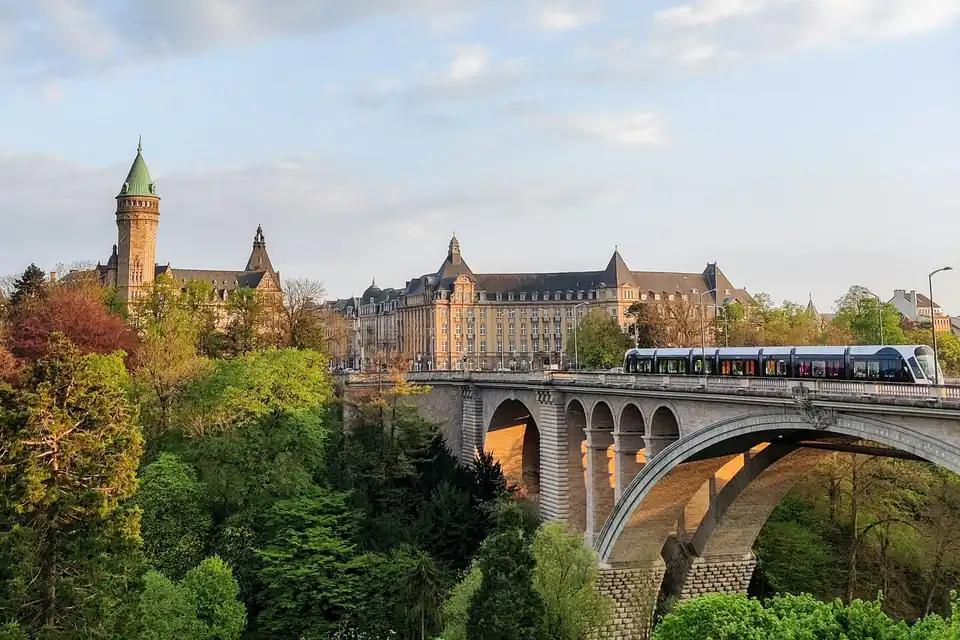
The quarter takes its name from the station, la gare, which has stood on the Bourbon plateau since 1859, the year the first railway reached Luxembourg. The same year, the Passerelle viaduct opened, the first bridge to span the valley between the plateau and the old town. Development took off after the Treaty of London of 1867, which ordered the dismantling of the fortress: freed from military restrictions, the plateau filled with apartment buildings, hotels, banks and shops. The Adolphe Bridge, opened in 1903, gave the quarter its grand connection to the old town, and the Avenue de la Liberté became its boulevard.
Around 11,300 people live in the Gare quarter, on just over one square kilometre, which makes it the most densely populated quarter of the capital. It is also the most international: around 80% of residents are not Luxembourgish. That density and diversity are the quarter's defining features: shops open late, restaurants from many countries, and a constant flow of people.
The Gare quarter has more studios and small apartments than most of the city, in Belle Époque buildings, post-war blocks and recent conversions. For people arriving alone or on a fixed-term contract, it is often the quickest place to find somewhere to live. Older buildings offer high ceilings and handsome facades, and sometimes older heating and windows. Our listing here, a furnished studio with a private garden, shows that quiet courtyards exist behind the busy streets. See our article on living around the station.
Everything is on foot: supermarkets, bakeries, pharmacies, banks, post office, dry cleaners, hairdressers and restaurants of every kind. It is one of the few quarters where daily life needs no car at all.
The quarter is dense, and green space is limited within it. The Pétrusse valley park, below the plateau, is the nearest large green area, with footpaths and playgrounds. Primary schools serve the area, and families often weigh the Gare's convenience against the calmer streets of neighbouring quarters.
No address is better connected. The station offers national rail, cross-border trains to France, Belgium and Germany, and international services. The T1 tram stops at the station and runs along the Avenue de la Liberté to the old town, Limpertsberg, Kirchberg and the airport, and south to Bonnevoie and Cloche d'Or. The city's bus network converges here. All public transport in Luxembourg is free.
Gare is home to about 11,292 residents on 1.05 km², a density of roughly 10,728 people per km², which makes it the 1st most densely populated of the 23 quarters in our guides. Around 18% of residents hold Luxembourgish nationality, lower than the city-wide share of about 31% (137,696 residents at the end of 2025, according to the City of Luxembourg). Like the capital as a whole, it is a genuinely international place to live.
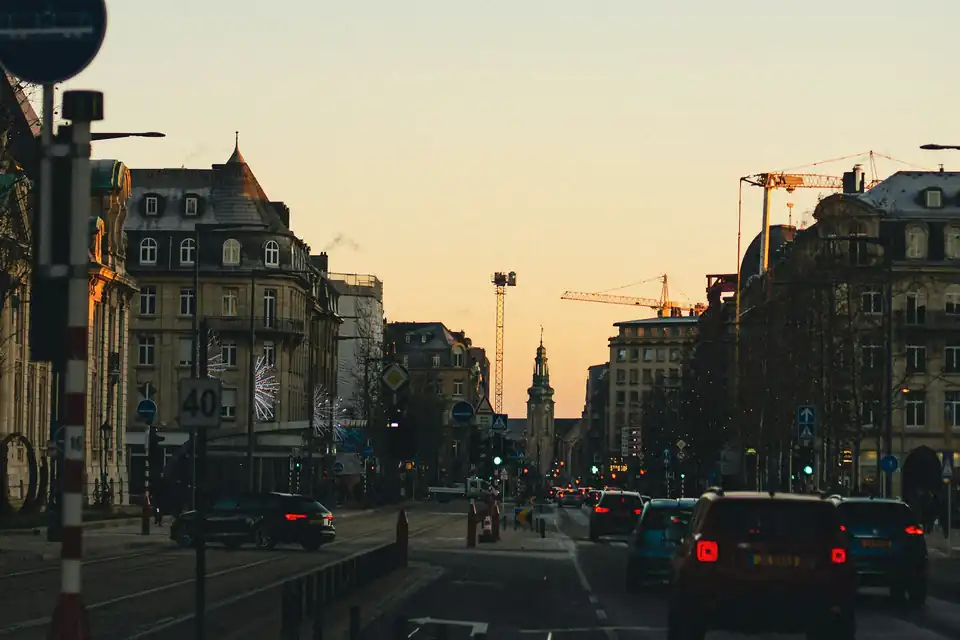
The Gare quarter has been defined by the railway since 1859, when Luxembourg's principal station was built on the Bourbon plateau, separated from the old town by the valley where the Pétrusse joins the Alzette. After the Treaty of London of 1867 led to the dismantling of the fortress, the quarter grew rapidly. Start at the station and walk along the Avenue de la Liberté, the grand boulevard that links it to the old town, lined with Belle Époque buildings and carrying the tram. Halfway, Place de Paris opens out; at the end, the Adolphe Bridge, opened in 1903, crosses the valley towards the old town. Nearby, the older Passerelle viaduct, opened in 1859, was the first link between the station and the city. Along the way you pass buildings such as the Villa Clivio, a reminder of the quarter's elegant early years.
The Gare quarter never really slows down. Trains, trams and buses run from early morning; shops and restaurants keep it busy into the evening. It is the most international quarter of the city, with more than eight in ten residents holding a nationality other than Luxembourgish, which shows in its shops and restaurants. Its closeness to the old town puts the winter market and summer festivals a walk away.
| What residents appreciate | What to weigh up |
|---|---|
| Trains, tram and buses on the doorstep | Busy and noisy on the main streets |
| Everything walkable, at almost any hour | Visible social problems around the station, as in most station districts |
| More studios and small flats than most quarters | Uneven streets: calm and busy blocks side by side |
| The most international quarter of the city | Limited parking |
| Quarter | Residents | People per km² | Luxembourgish | Tram in the quarter |
|---|---|---|---|---|
| Gare | 11,292 | 10,728 | 18% | Yes |
| Hollerich | 7,751 | 4,844 | 28% | No, buses |
| Bonnevoie | 18,009 | 5,867 | 28% | Yes |
| Ville Haute | 3,513 | 3,317 | 32% | Yes |
Population and area: City of Luxembourg district figures, end of 2025. Luxembourgish share rounded.
The Gare quarter is Luxembourg's most practical address: trains, tram, shops and services on foot, and more small homes than anywhere else. Chosen street by street, it is an excellent first home in the country.
Gare is around Luxembourg Central Station. The Gare quarter is the most connected address in the country.
Buildings are predominantly late nineteenth and twentieth century apartment blocks, with new construction filling gaps. Studios and small units are more available here than in most of the city, which suits people arriving alone or on a defined contract.
Gare is a real city quarter, with the activity and the unevenness that implies. Some streets are commercial and busy at all hours while others a few minutes away are residential and calm. The address matters, and it is worth viewing in the evening as well as during the day.
The T1 tram serves this part of the city, alongside the AVL bus network, and all public transport in Luxembourg is free.
See the Properties page for every room and studio currently available in Gare and across Luxembourg.
Intern, giovani professionisti e pendolari internazionali che privilegiano la connessione.
Stazione centrale, tram T1 e rete autobus molto capillare.
Shopping, supermercati, cafés, ristoranti e servizi sono praticamente sotto casa.
La Pétrusse e i parchi del centro offrono una pausa dal contesto urbano.
Cosmopolita, multiculturale e più vivace soprattutto intorno alla stazione.
See the existing Aura listings for the homes and rooms currently offered in and around this quarter.

Install the Aura app in a few seconds: listings, neighbourhood guides and the Journal, one tap away, even with a weak connection.