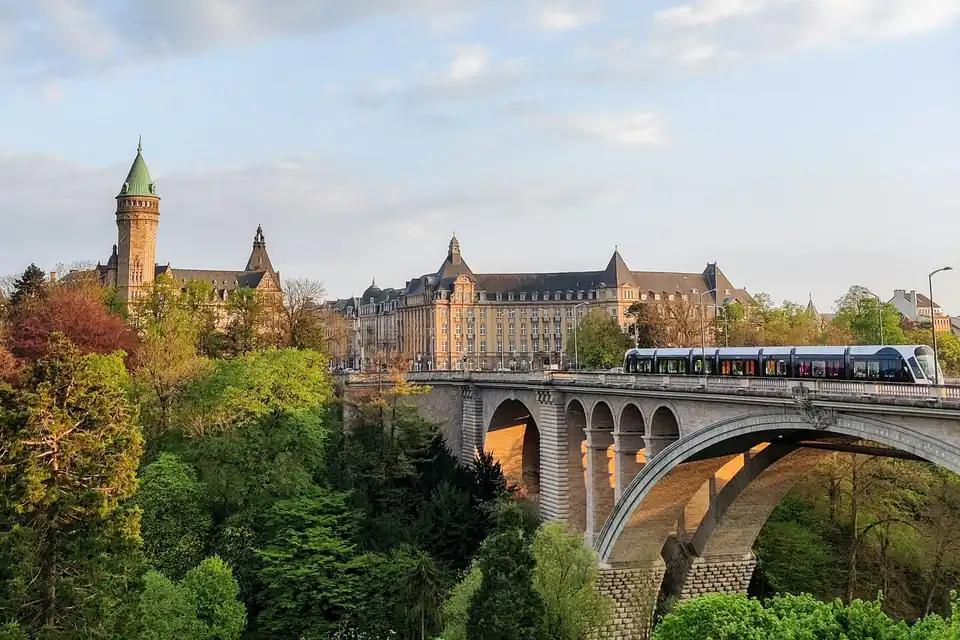
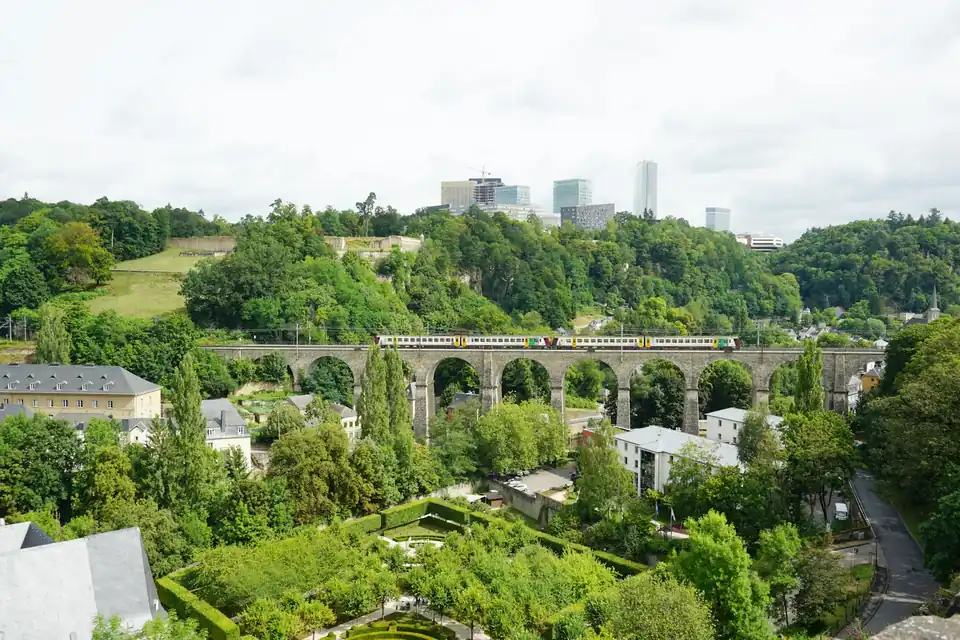
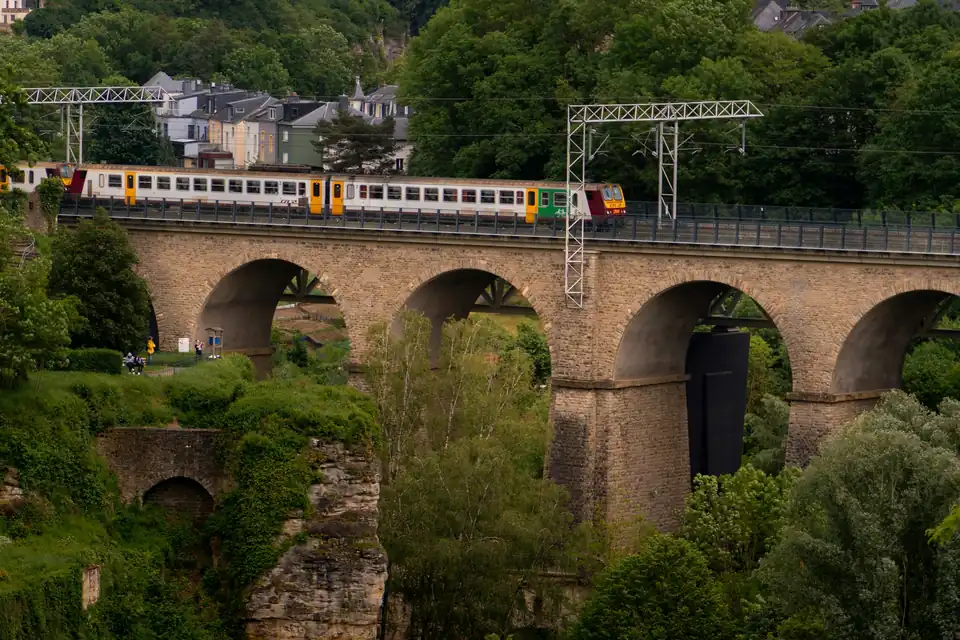
Atmosphere
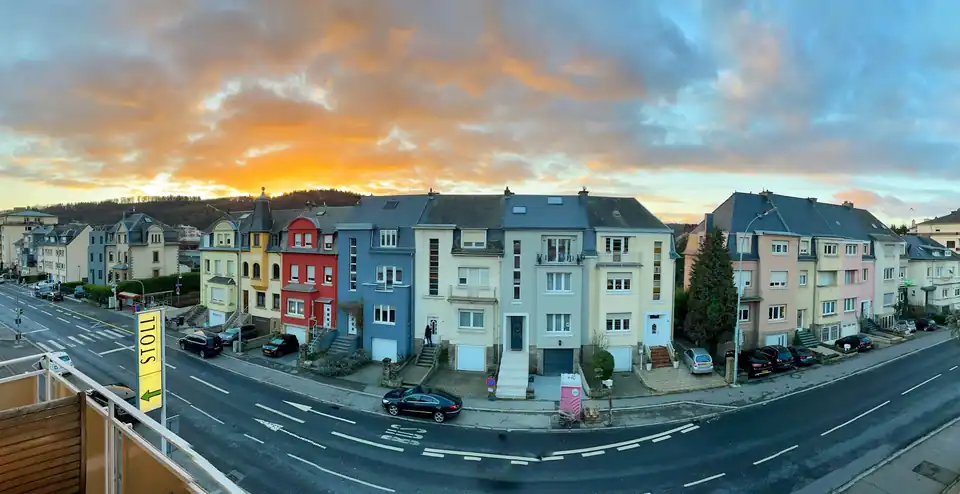
Bonnevoie is lively and diverse, with a real community energy. Its streets are full of shops, bakeries, restaurants and cafés.
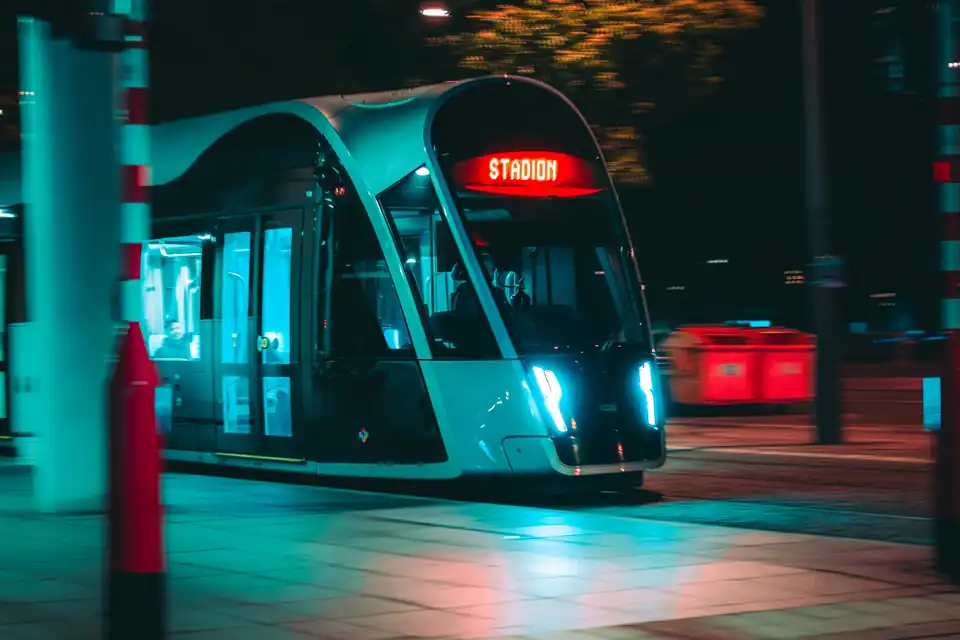
A particularly practical choice for commuters, students and professionals who want to reduce dependence on a car.
If convenience is high on your list, Bonnevoie is one of the smartest places to live in Luxembourg City. Located immediately south of the city centre and close to Luxembourg Central Station.
“Bonnevoie is all about convenience and energy.”
The Aura take on Bonnevoie
Bonnevoie is lively and diverse, with a real community energy. Its streets are full of shops, bakeries, restaurants and cafés.
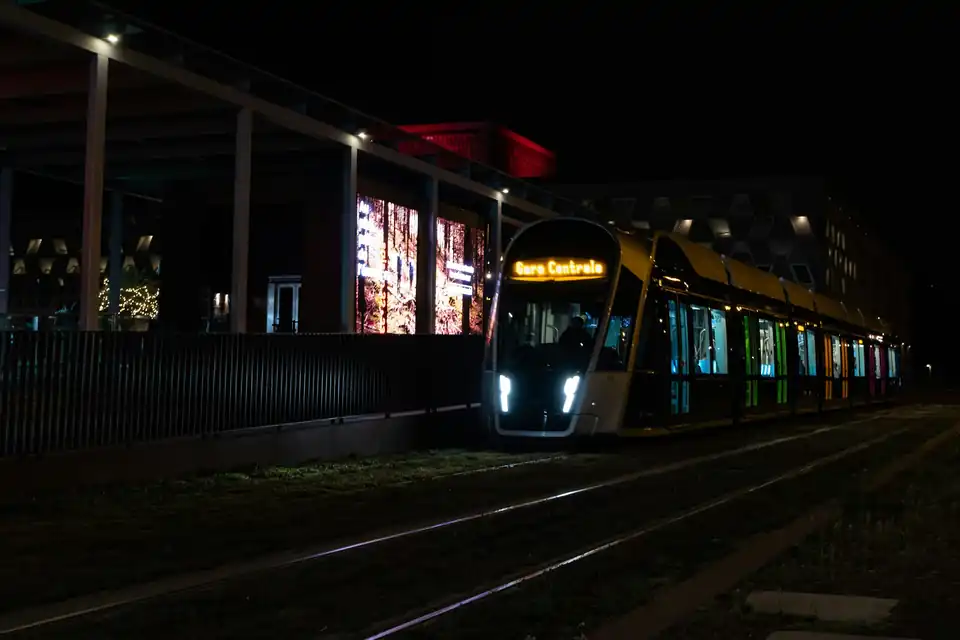
Bonnevoie is exceptionally well connected. The T1 tram runs through the area, several AVL bus lines serve it, and the station is close by.
In short T1 tram plus a dense AVL bus network
Supermarkets, pharmacies, banks, bakeries and some of the city's most famous bars are all within easy reach.
In short Central Station is close, while Rue de Bonnevoie and the surrounding streets provide supermarkets, bakeries, pharmacies, cafés, restaurants and everyday services.
Bonnevoie is ideal for professionals, students and anyone who values convenience and a vibrant, multicultural atmosphere.
In short A particularly practical choice for commuters, students and professionals who want to reduce dependence on a car.
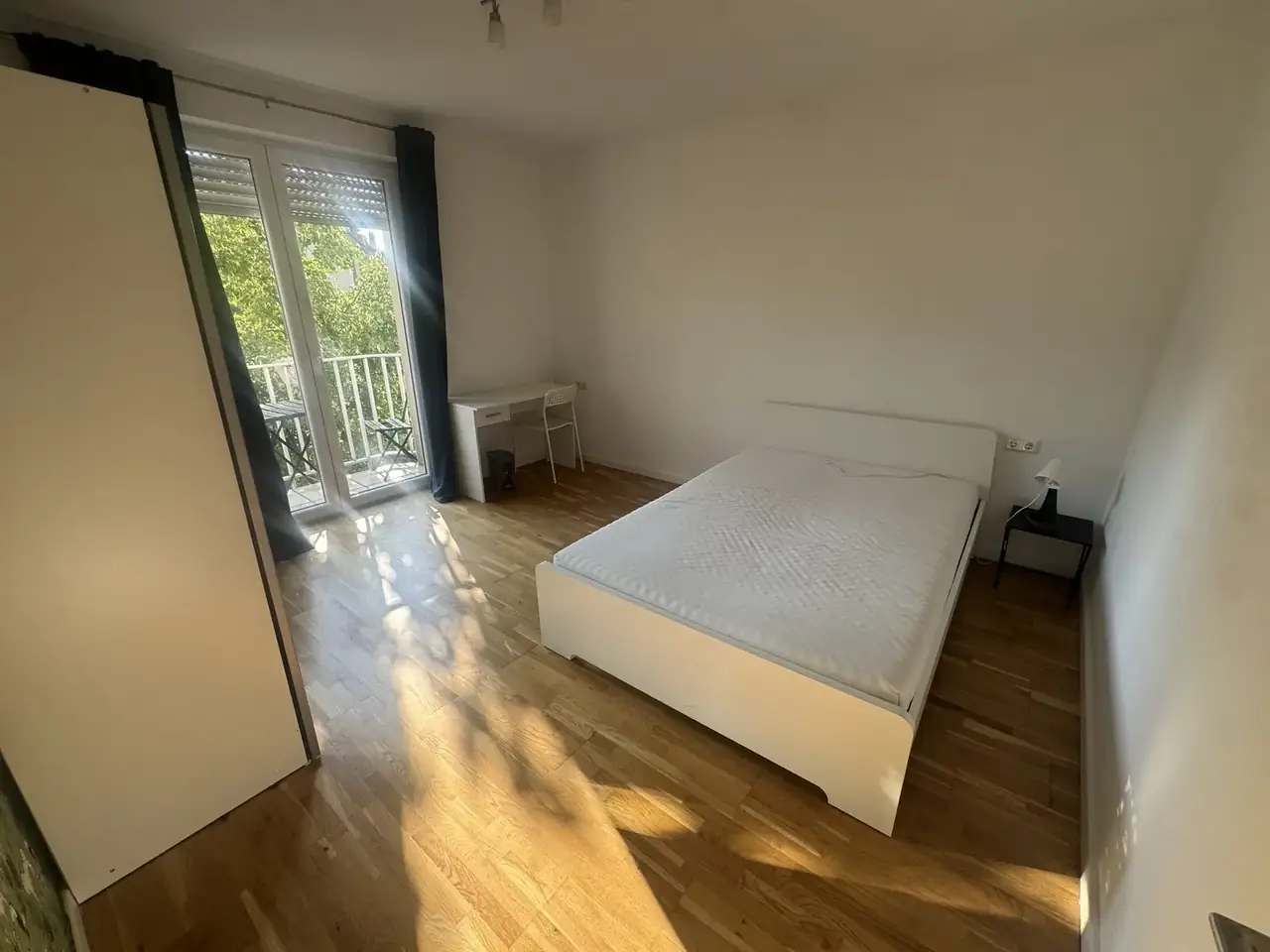
Every caption says exactly what the photograph shows. Where we let homes in Bonnevoie, you will also see real photos from our listings.
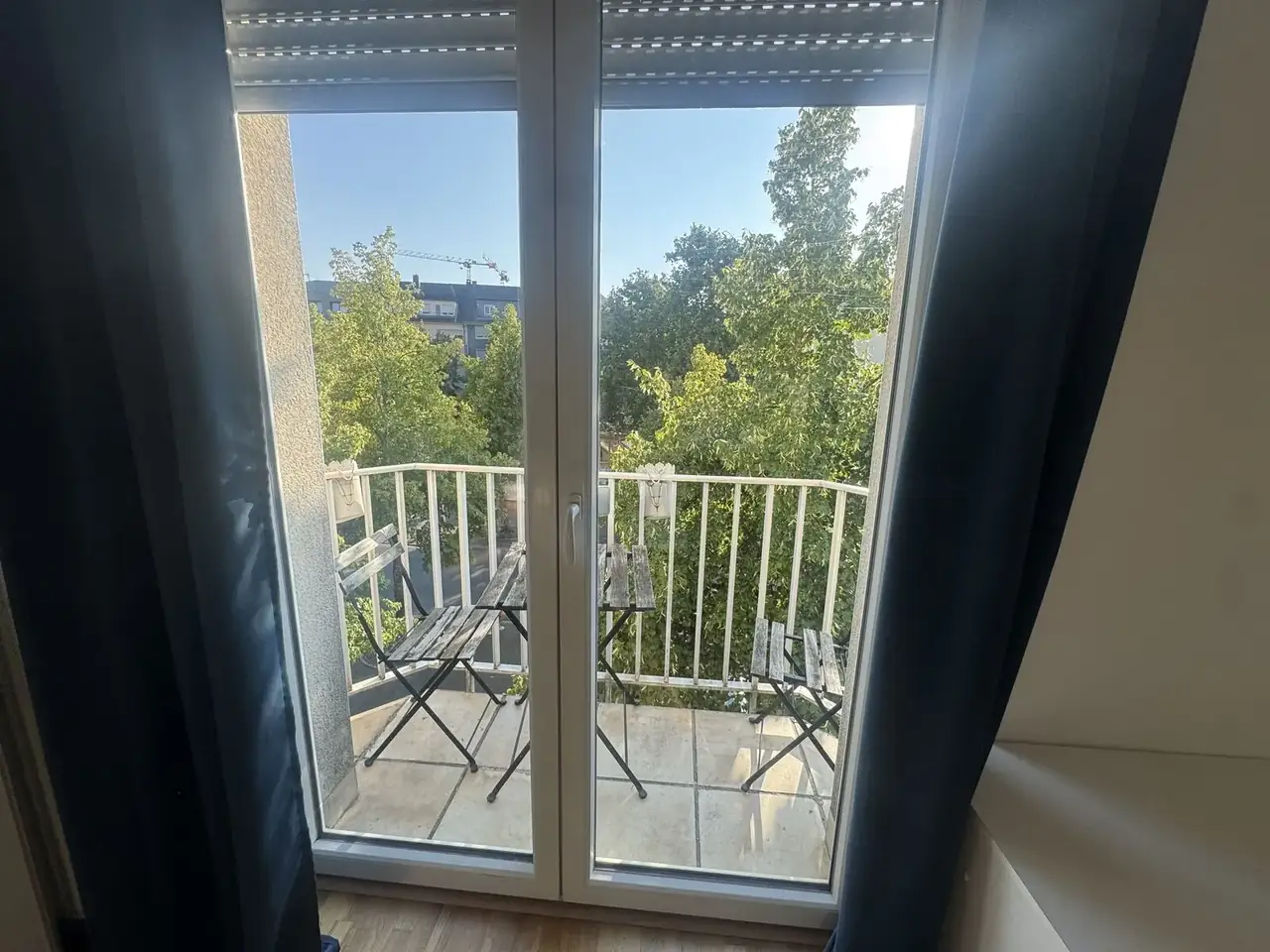
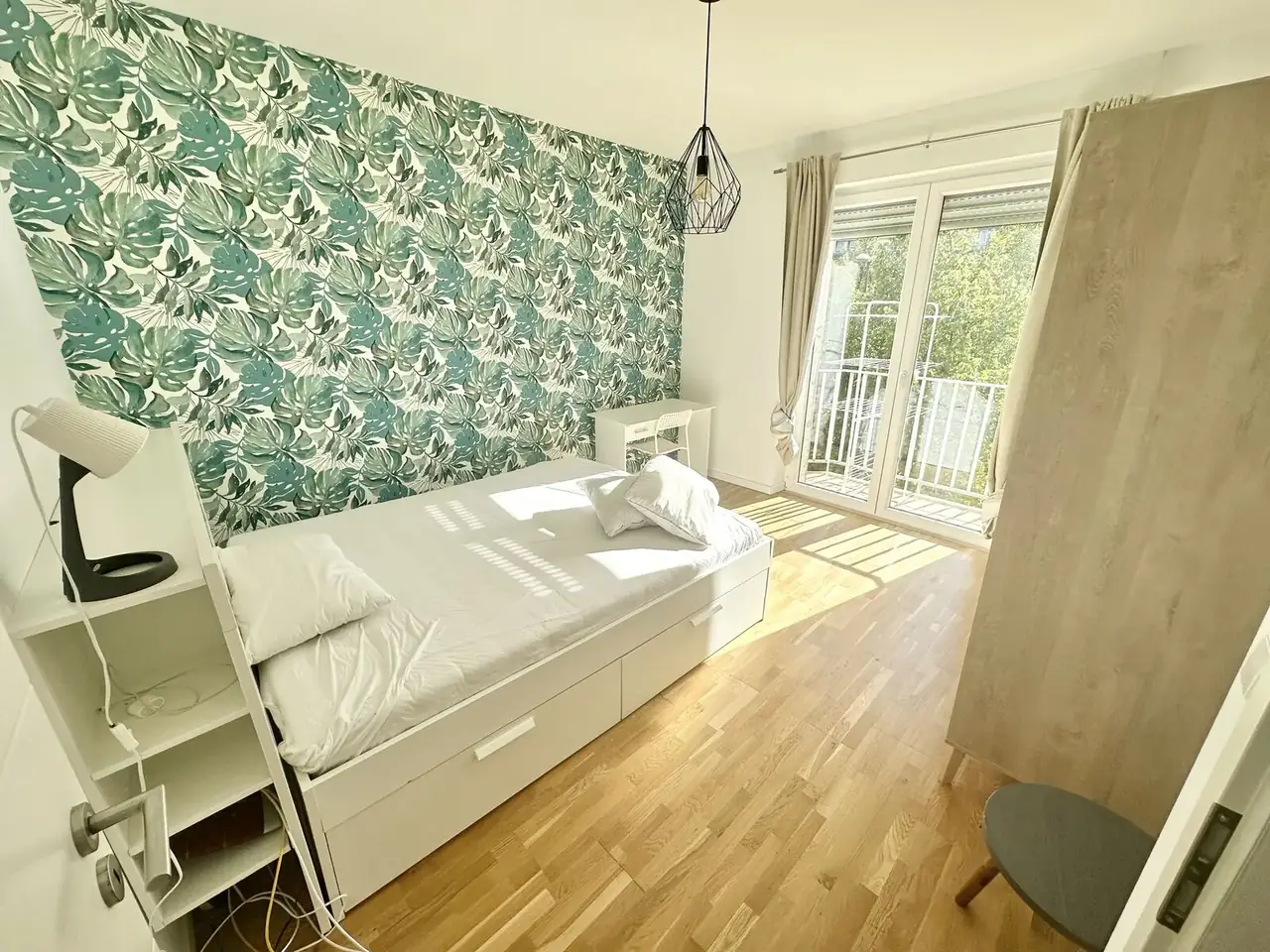
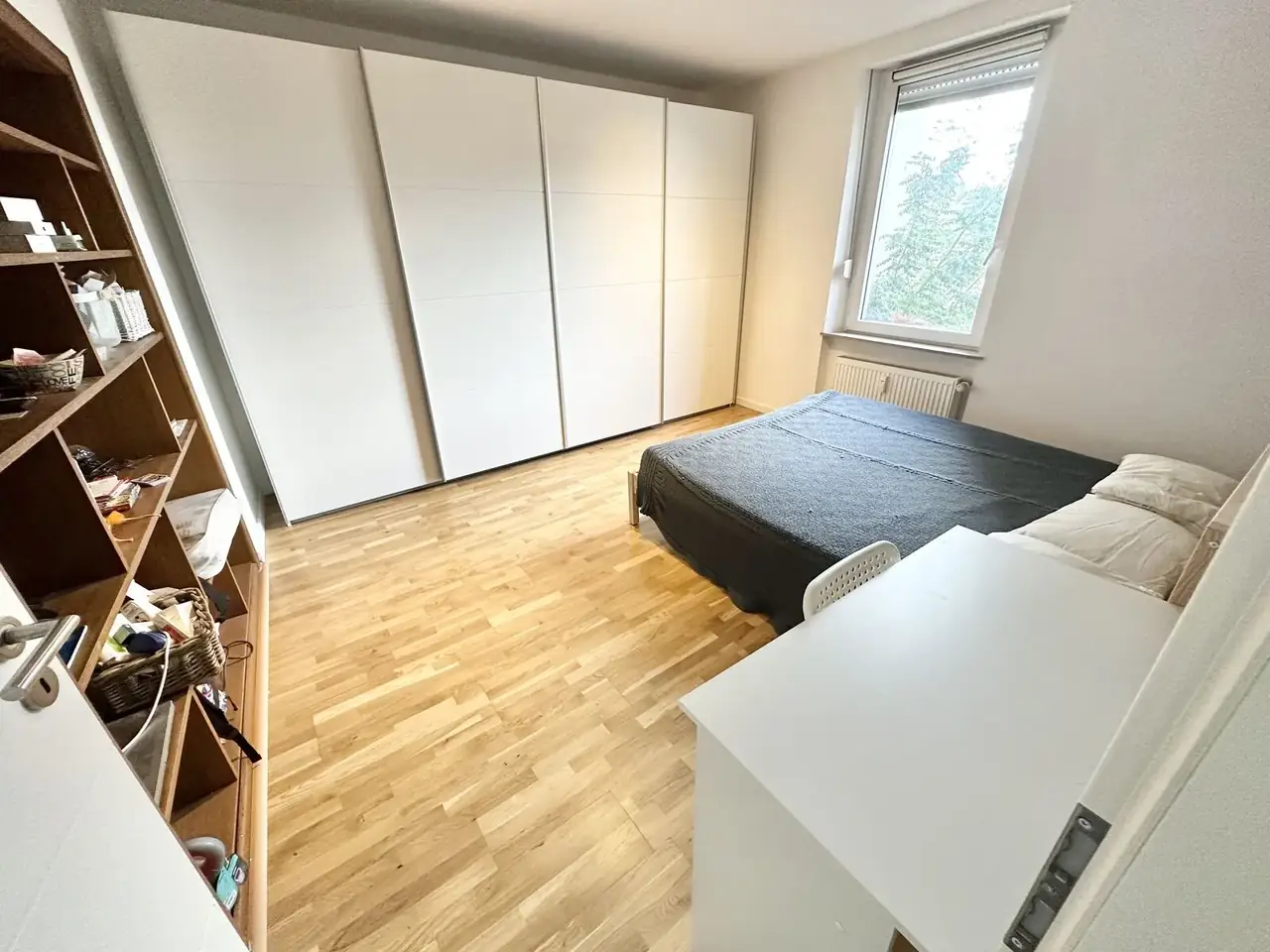
Bonnevoie lies immediately south-east of the station and is one of the densest and most mixed quarters in the city. Rue de Bonnevoie is its spine, and the quarter has the everyday texture that much of Luxembourg City lacks: small shops, bakeries, pharmacies, banks, cafés and restaurants used by people who actually live there rather than by visitors.
The building stock is mainly apartment blocks, many of them subdivided into shared flats, which is why Bonnevoie is the strongest market in the city for rooms rather than whole units. For someone arriving alone, it usually offers the best combination of price, transport and daily convenience.
Bonnevoie is not uniform. Streets closer to the station are busier and noisier, while the southern and eastern edges are calmer and more residential. It is worth viewing at the specific address rather than judging the quarter as a whole.
The T1 tram serves this part of the city, alongside the AVL bus network, and all public transport in Luxembourg is free.
| Residents | 18,009 |
|---|---|
| Area | 3.07 km² |
| Density | 5,867 residents per km² |
| Part of the city | South-east |
Population and area: district figures of the City of Luxembourg, end of 2025.
Bonnevoie grew as a working quarter beside the railway. When the central station opened in 1859 on the Bourbon plateau, the land south-east of the tracks filled with housing for railway workers, craftsmen and families who worked in the city's growing industries. Bonnevoie was long administered with Hollerich, as part of the town of Hollerich-Bonnevoie, before the merger into Luxembourg City in 1920. Local tradition links the area to a medieval chapel dedicated to Saint Irmina.
In the early 1990s, the City launched a major regeneration of the quarter, completed in its first phase in 2002. The Rue de Bonnevoie, previously dominated by three lanes of traffic, was reorganised, and the Place Léon XIII became a genuine square with fountains, benches and trees, facing the parish church.
Officially, Bonnevoie is two districts: Bonnevoie-Nord/Verlorenkost and Bonnevoie-Sud. Together they are home to around 18,000 people, which makes Bonnevoie the most populous area of the capital. The northern part, closer to the station and the Verlorenkost, is denser and busier. The southern part becomes progressively calmer and more residential towards Howald and Hesperange.
The Rue de Bonnevoie is the quarter's spine, lined with shops, bakeries, cafés and small businesses. The Place Léon XIII is its centre. On the edge of the quarter, close to the station, stand the Rotondes, two railway roundhouses built in 1877, each 52 metres across, which once housed steam locomotives. After years as warehouses and a bus garage, they were renovated and reopened in 2015 as a cultural centre for theatre, concerts, exhibitions and workshops, with a café and terrace. The Stade Achille Hammerel, home of Racing FC Union Luxembourg, is in the northern part of the quarter. The Verlorenkost area, on the slopes towards the Alzette valley, has green spaces and views across to the old town.
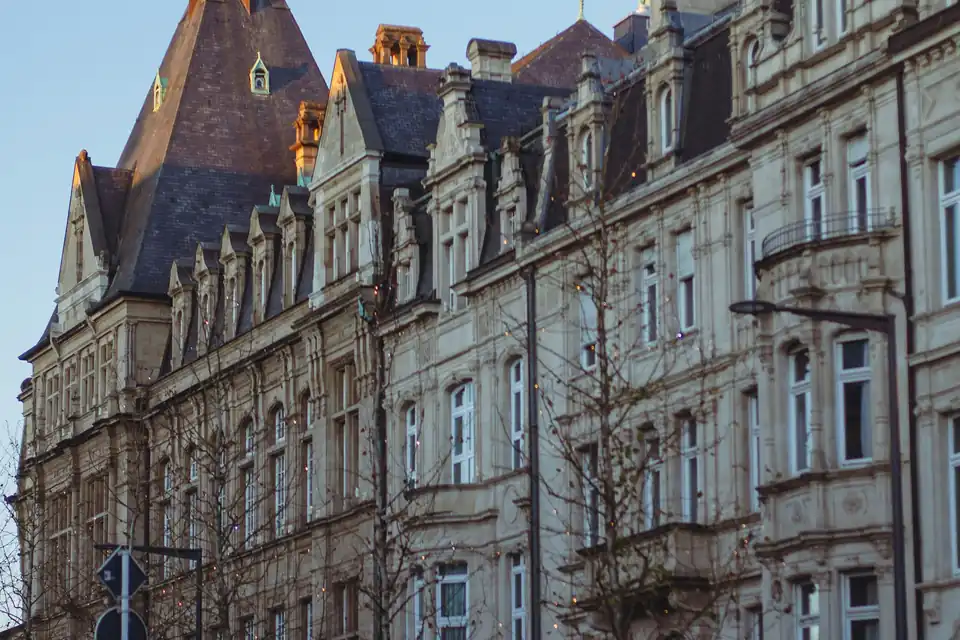
Bonnevoie's housing is mainly apartment buildings, many from the first half of the twentieth century, alongside post-war blocks and recent construction. Many older buildings have been divided into smaller units and shared flats, which makes Bonnevoie the city's strongest market for rooms. Prices are generally below the central plateau quarters for comparable space.
For newcomers, that combination explains its popularity: rooms and small flats are available, rents are more realistic, and the station is walkable. Our article on living in Bonnevoie goes deeper into the rental picture.
Bonnevoie has what much of Luxembourg City lacks: an everyday commercial street used by the people who live there. Supermarkets, pharmacies, banks, bakeries, butchers, hairdressers and restaurants from many countries line the main streets. Some of the city's best-known bars are here, particularly in the northern part.
Primary schools serve both parts of the quarter. Green space is modest in the dense northern streets and more generous towards the south and the Verlorenkost slopes. Families often choose the southern streets for their calmer atmosphere while keeping the quarter's services.
The T1 tram links Bonnevoie to the central station, the old town and Kirchberg in one direction, and to Howald and Cloche d'Or in the other. Several bus lines cross the quarter. The central station, with national and international trains, is within walking distance of the northern streets. All public transport is free. Parking is difficult in the older streets; residential permits help but do not create spaces.
Bonnevoie is home to about 18,009 residents on 3.07 km², a density of roughly 5,867 people per km², which makes it the 4th most densely populated of the 23 quarters in our guides. Around 28% of residents hold Luxembourgish nationality, lower than the city-wide share of about 31% (137,696 residents at the end of 2025, according to the City of Luxembourg). Like the capital as a whole, it is a genuinely international place to live.
A walk through Bonnevoie begins at the station, because that is where the quarter starts. Cross under the railway and you are in Bonnevoie-Nord / Verlorenkost, the smaller northern part, then continue south along the Rue de Bonnevoie, the busiest street of the quarter, lined with shops, bakeries, bars and restaurants from many countries. The tram runs along the Route de Thionville, linking the quarter to the station in one direction and to Howald and Cloche d'Or in the other. Side streets fill the space between the two with nineteenth- and twentieth-century apartment buildings, small squares and local businesses. Towards the south and east, Bonnevoie-Sud becomes more residential, and towards the Alzette valley the streets drop steeply towards Pulvermühl and the Grund.
Bonnevoie is lively all year. Its bars and restaurants keep evenings busy even in winter, and because many residents are young professionals and families with international roots, the quarter never empties the way office districts do. It is close enough to the old town to walk to the winter market and summer festivals, and far enough to avoid their crowds. The tram makes it easy to reach Kirchberg's concert halls or the Stade de Luxembourg on match days.
| What residents appreciate | What to weigh up |
|---|---|
| Tram and station within walking distance | Dense and noisy on the main streets |
| Realistic prices for rooms and apartments by city standards | Uneven housing stock; quality varies building by building |
| Busy, varied street life with shops and restaurants | Parking is difficult |
| Large, diverse community of residents | Not a picturesque quarter |
| Quarter | Residents | People per km² | Luxembourgish | Tram in the quarter |
|---|---|---|---|---|
| Bonnevoie | 18,009 | 5,867 | 28% | Yes |
| Gare | 11,292 | 10,728 | 18% | Yes |
| Pulvermuhl | 384 | 1,547 | 30% | No, buses |
| Hamm | 1,606 | 394 | 43% | No, buses |
Population and area: City of Luxembourg district figures, end of 2025. Luxembourgish share rounded.
Bonnevoie is the quarter we recommend most often to people arriving alone for a job: practical, connected, lively and more affordable than the plateau. It is not polished, and it does not pretend to be. That is precisely its charm.
Bonnevoie is south-east of Luxembourg Central Station. Bonnevoie lies immediately south-east of the station and is one of the densest and most mixed quarters in the city.
The building stock is mainly apartment blocks, many of them subdivided into shared flats, which is why Bonnevoie is the strongest market in the city for rooms rather than whole units. For someone arriving alone, it usually offers the best combination of price, transport and daily convenience.
Bonnevoie is not uniform. Streets closer to the station are busier and noisier, while the southern and eastern edges are calmer and more residential. It is worth viewing at the specific address rather than judging the quarter as a whole.
The T1 tram serves this part of the city, alongside the AVL bus network, and all public transport in Luxembourg is free.
See the full rental portfolio for every room and studio currently available across Luxembourg City.
Intern, giovani professionisti e coppie che cercano vita urbana e collegamenti forti.
Tram T1, autobus AVL e stazione centrale nelle vicinanze.
Negozi, bakery, supermercati, farmacie, cafés e ristoranti sono molto accessibili.
Parchi e la Pétrusse sono facilmente raggiungibili.
Multiculturale, dinamico e con una vita serale più presente rispetto ai quartieri residenziali.
See the existing Aura listings for the homes and rooms currently offered in and around this quarter.

Install the Aura app in a few seconds: listings, neighbourhood guides and the Journal, one tap away, even with a weak connection.