In this article
- d'Coque: the city's main sports complex
- Municipal swimming pools
- Running routes: Pétrusse, Alzette and Bambësch
- The ING Night Marathon
- Low-cost classes: Sports pour tous
- Clubs: climbing, tennis and beyond
- Cycling as exercise
- Where you live matters for how easily you train
- Outdoor gyms and casual exercise
- Practical tips for newcomers
- Our take
d'Coque: the city's main sports complex
d'Coque, the Centre National Sportif et Culturel on Kirchberg, is Luxembourg's flagship sports venue, built in 1982 as an Olympic-size swimming pool and expanded in 2002 into a wider complex that now includes two fitness rooms, a climbing wall, outdoor sports facilities and a large arena that also hosts concerts and events. Beyond lane swimming, d'Coque runs group classes such as pilates, aquafitness, zumba and back-strengthening sessions, and it is a genuine option for residents rather than a purely competitive facility. It sits on the Kirchberg plateau, reachable by tram, which makes it an easy stop for anyone living or working in that quarter.
Municipal swimming pools
Alongside d'Coque, the City of Luxembourg runs its own network of public pools, listed on the vdl.lu sports pages, including the Bonnevoie pool in the Bonnevoie quarter and the Badanstalt, the city's central pool and relaxation centre near the old town. These municipal pools are generally more geared to everyday lane swimming and family use than d'Coque's larger complex, with more modest entry prices, and they are worth checking if you live closer to the centre or to Bonnevoie than to Kirchberg. Opening hours and current entry prices are published on the Ville de Luxembourg website and are worth checking directly, since pool schedules change with school terms and maintenance closures.
Running routes: Pétrusse, Alzette and Bambësch
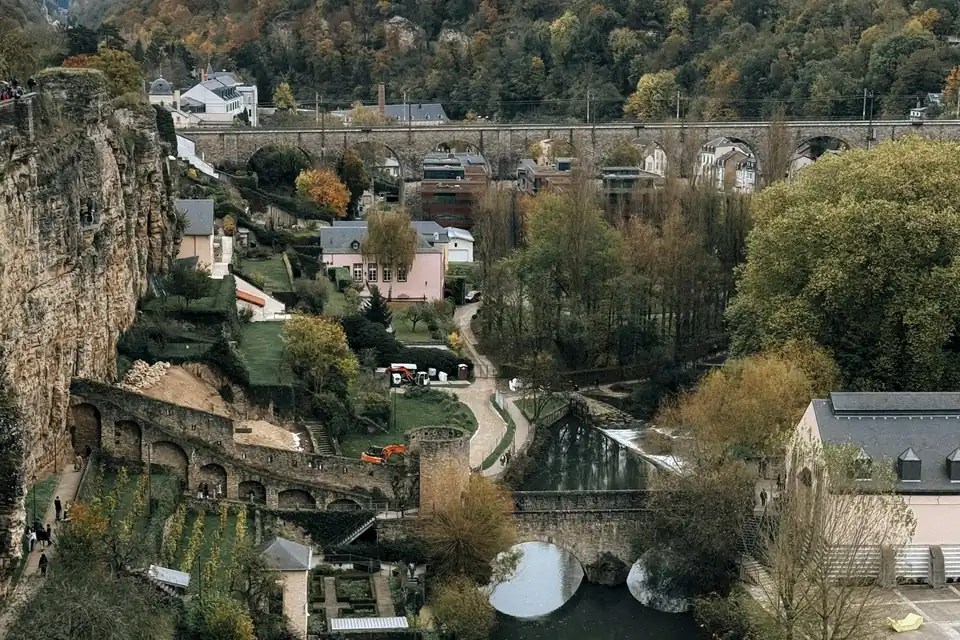
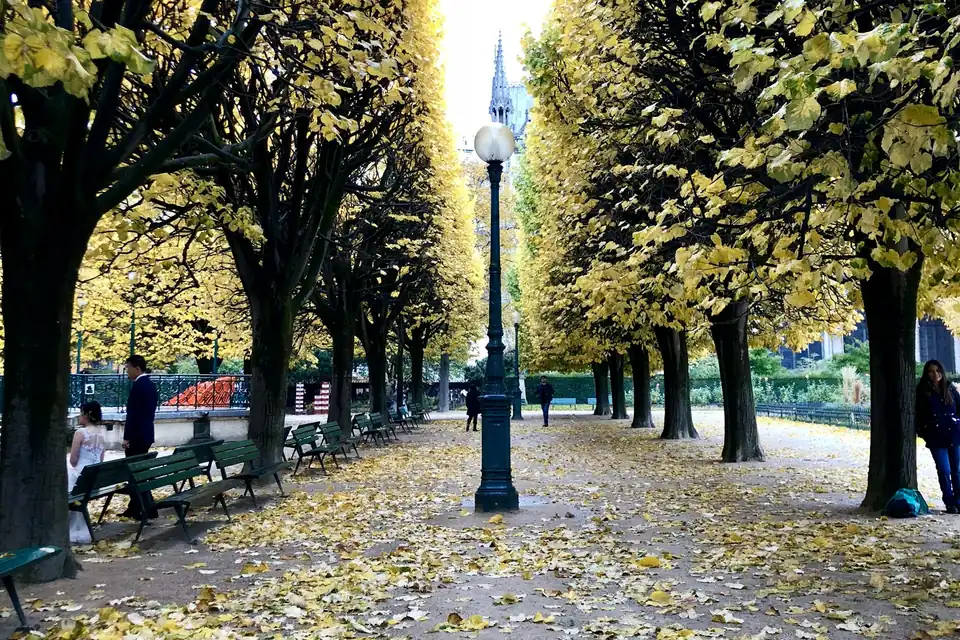
Luxembourg City's valleys are its best-kept fitness secret. The Pétrusse valley, running below Ville Haute between the old town and the station, is a green corridor of paths that lets you run for long stretches without crossing a road, and it connects naturally into the parks and green spaces that thread through the lower town. The Alzette valley, through Grund, Clausen and Pfaffenthal, offers a similar river-level route with more shade and a slower, more scenic character.
For those who want to get out of the city entirely, the Bambësch forest on the north-western edge of Luxembourg City is a favourite with runners and walkers, with marked trails through mixed woodland and enough distance to build a proper long run without repeating the same loop. It is reachable by bus from the city centre and is popular enough that you will rarely be running alone at weekends.
The ING Night Marathon
Luxembourg's best-known running event is the ING Night Marathon Luxembourg, held annually in May and covering the full 42.195 km distance through the city's districts, including Kirchberg, Limpertsberg, Belair, Merl, Hollerich, the Gare quarter and the old town, run in the evening and after dark for much of the course, which gives it a distinctive atmosphere compared with a typical daytime city marathon. Alongside the full marathon, the event includes shorter distances suited to less experienced runners; check the official ING Night Marathon website for the current year's date, route map and registration, since exact details are set annually.
Low-cost classes: Sports pour tous
The City of Luxembourg runs a programme called Sports pour tous ("Sport for all"), offering a wide range of group classes, from fitness and dance to swimming and specific programmes for young people, at prices well below a typical private gym, organised in spring/summer and autumn/winter sessions. It is one of the better-value ways to try a new sport in the city without committing to a private club, and the current programme and registration details are published on the Ville de Luxembourg website each season.
Clubs: climbing, tennis and beyond
Luxembourg has an active club scene across most common sports. Climbing is available both at d'Coque's wall and at dedicated climbing gyms in and around the city. Tennis clubs are spread across several quarters and communes, generally requiring membership, and football, basketball and other team sports run through local clubs affiliated with national federations. If a particular sport matters to you, the relevant national federation's website is usually the fastest way to find the nearest club, since informal drop-in sport is less common in Luxembourg than organised club membership.
Cycling as exercise
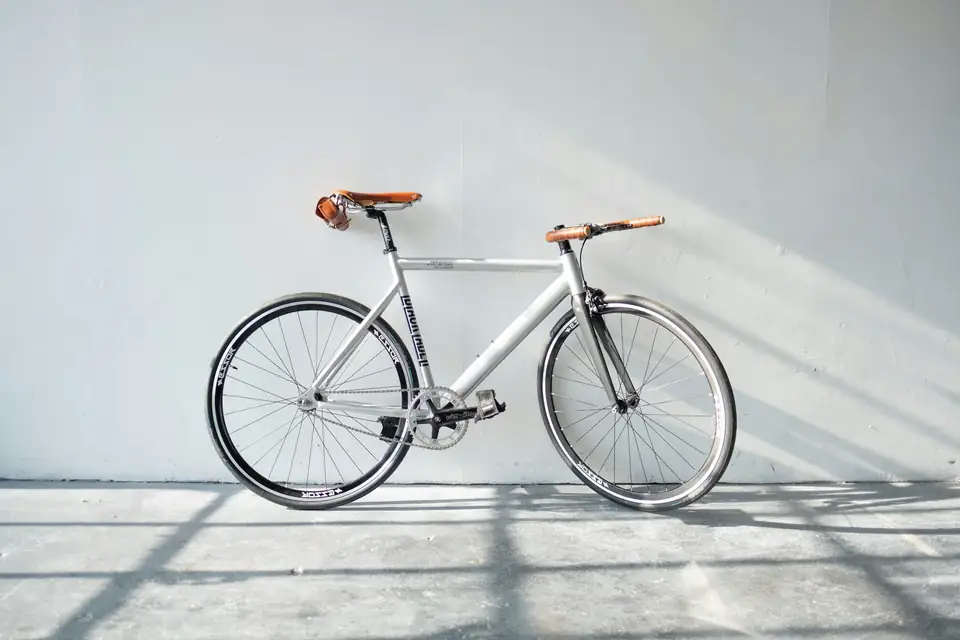
Many residents combine commuting with training by cycling along the Alzette and Pétrusse valley paths or further out along the country's network of dedicated cycle routes. Our guide to cycling in Luxembourg City covers the Vel'OH! bike-share system, cycle lanes and how bikes fit into daily transport, which overlaps naturally with fitness for many people who choose not to own a car.
Where you live matters for how easily you train
A flat above the Pétrusse valley, in Belair or parts of Merl, puts a genuine running route at your door. Kirchberg residents have d'Coque within walking or tram distance, while those in Grund, Clausen or Pfaffenthal train in one of the most scenic valley settings in the city, at the cost of the hills back up to street level on the return leg. It is a small factor next to rent and commute, but for anyone who trains regularly, proximity to a proper route or pool is worth weighing when choosing a quarter.
Outdoor gyms and casual exercise
Several of the city's parks, including areas along the Pétrusse and in Kirchberg's green spaces, have outdoor exercise equipment intended for casual, free use, which suits anyone who wants a quick session without booking a class or a pool lane. Combined with the network of valley paths, this makes it entirely possible to maintain a fitness routine in Luxembourg City using only free, outdoor infrastructure, which is a real advantage for anyone still settling in and not yet ready to commit to a club or a gym membership.
Practical tips for newcomers
A few things are worth knowing before your first visit to a pool or a class. Most municipal pools and d'Coque require swimwear that meets local hygiene norms (tight-fitting trunks rather than boardshorts for men, in line with common Continental European pool rules), and a swim cap is often required or strongly encouraged, so check the specific venue's rules in advance rather than being turned away at the entrance. Group classes under Sports pour tous and at private clubs usually require registration ahead of the season rather than casual drop-in, so plan a season or two in advance if a specific class tends to fill up quickly. Many clubs and facilities operate mainly in French, German or Luxembourgish, though English is increasingly accommodated, particularly at venues used regularly by the international community.
Our take
Staying active in Luxembourg City does not require an expensive gym membership: between the municipal pools, the valley running routes, d'Coque's facilities and the city's own Sports pour tous programme, most residents can build a routine that costs very little. If where you train is part of how you want to choose a home, our neighbourhood guides cover the practical side of each quarter, and contact us if you would like help finding a place near the routes or facilities that matter to you.
Sources
This article gives general practical information. Services, prices and rules change; check the current details with the operator or the commune concerned.