In this article
Start with school, not the flat
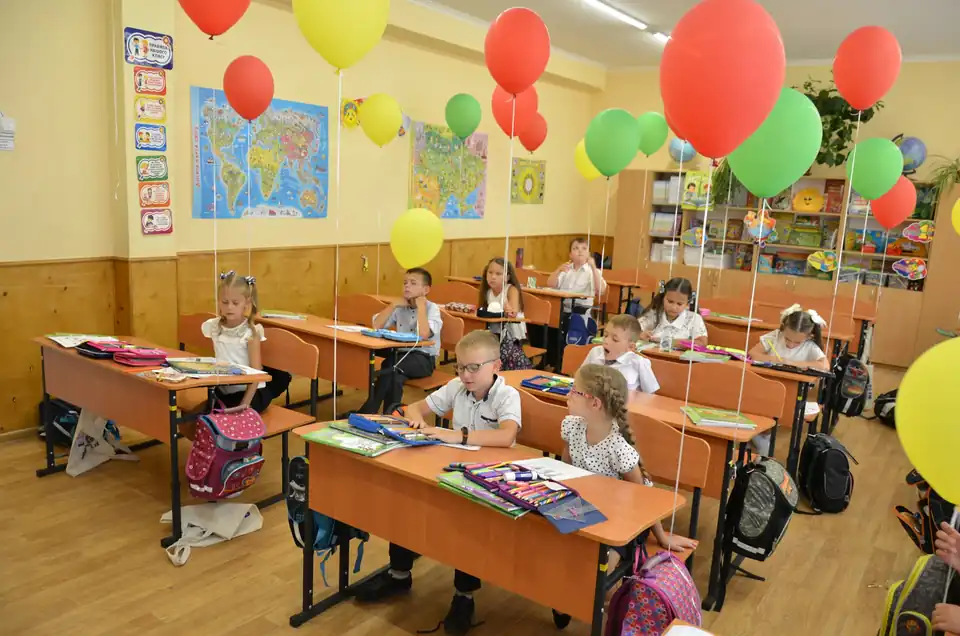
For most families the school decision should come before the choice of home, not after, because it determines which quarter and which commute make sense. Our guide to schools in Luxembourg sets out the full picture: free public schools organised by commune and taught in Luxembourgish, German and French; a growing network of free public international schools following a European curriculum in various language sections; the two European Schools serving mainly EU institution staff; and a range of fee-paying private international schools.
If you are aiming for one of the public international schools or a private school, contact them as early as your move is confirmed, since admission windows and waiting lists vary by school and by language section, and popular sections fill well ahead of the school year. If your child will attend the local public system, your commune of residence determines the specific school, so this is one of the clearer cases where the address decision and the school decision are effectively the same decision. If a parent is joining or has joined the EU institutions, ask about eligibility for the European Schools before committing to a quarter, since a place there can change the calculus on commute entirely.
Crèche waiting lists
For children too young for school, the constraint is usually places, not policy. Demand for crèche places, especially for children under two, regularly outstrips supply in and around Luxembourg City. Contact crèches and childminders (assistants parentaux) near your prospective home or workplace as soon as your move is confirmed, and ask directly about waiting lists and whether they are part of the childcare subsidy scheme described below. Mini-crèches and individual childminders sometimes have space when larger crèches do not, and some large employers reserve places for staff, which is worth asking about during your own job negotiations if you have not already started.

The chèque-service accueil and free childcare hours
Once a place is found, Luxembourg's childcare subsidy system, the chèque-service accueil (CSA), substantially reduces what you actually pay. Our guide to childcare and the chèque-service accueil covers this in detail, but the headline points are worth repeating here: children aged one to four in approved crèches that take part in the plurilingual education programme receive 20 hours a week of free childcare, regardless of household income, and children in compulsory primary school get free after-school care and meals on school days from 7:00 to 19:00. Residents apply for the CSA through their commune; non-residents, including some cross-border families, apply through the Caisse pour l'avenir des enfants (CAE). Apply as soon as you are registered with the commune and have a childcare place confirmed, since the CSA card is what lets your provider bill you at the reduced rate from the start.
Family allowances
Luxembourg pays a family allowance (allocation pour l'avenir des enfants) to children resident in the country, or in some cases to the children of cross-border workers, through the CAE, regardless of the parents' income. The exact monthly amount and any age-related supplements are set by the CAE and reviewed periodically, so check the current figures directly on cae.public.lu rather than relying on a number that may be out of date by the time you apply. The CAE also administers other family-related benefits, including support around the birth of a child, and its site is the single reference point worth bookmarking for anything to do with child benefits in Luxembourg.
Finding a paediatrician
Luxembourg operates a free choice of doctor, so there is no assigned family paediatrician the way there might be in some other countries; you choose and register with one directly. Ask your new employer's HR team, other international parents, or your commune for recommendations, and try to make a first appointment early, both to establish a relationship before you need one urgently and because paediatric practices in Luxembourg City can have limited immediate availability for new patients. Luxembourg also has a mandatory schedule of medical check-ups for young children, tracked in an official health record booklet, the carnet de santé, issued at birth or on arrival for younger children; your chosen doctor or the maternity service can advise on catching up on this schedule if you arrive partway through it. Consultations are reimbursed through the CNS, the national health fund, once you and your children are affiliated, which is covered in our guide to healthcare in Luxembourg.
Activities and settling in socially
Beyond the essentials, Luxembourg has an active offer of sports clubs, music schools and holiday activity programmes for children, often organised through communes or the maisons relais attached to schools, and these are frequently where a newly arrived child makes their first local friends outside the classroom. Ask your commune's youth or family service, and your child's school, about what runs locally; many activities have their own registration periods and modest fees, but places are generally easier to secure than crèche or school places. Music schools in particular are well established across the country and often teach in several languages, which makes them an easy first activity for a child who is still building confidence in French or Luxembourgish.
For older children, the transition can be more about language and friendship groups than logistics, and it is worth talking to the school directly about how it supports newly arrived pupils, whether through reception classes, buddy systems or simply a teacher who keeps an eye on the first term.
Choosing a home with children in mind
Once school and childcare are settled, the housing search itself benefits from the same family-focused view as any other move: proximity to the school or crèche, safe walking or cycling routes, nearby parks, and a manageable commute for whichever parent handles the school run most days. Our guides to family-friendly quarters and to parks and green spaces in Luxembourg City go into which parts of the city suit families particularly well, and our neighbourhood guides cover the rest.
Our take
Families relocating to Luxembourg do best when they treat school and childcare as the first two decisions, not afterthoughts to the property search. Start those conversations as soon as the move is confirmed, register with the commune promptly on arrival to unlock the CSA and family allowances, and let the school or crèche location guide where you look for a home. Tell us where you will work and which school or crèche you are considering, and we can suggest homes that make the daily routine simple; see our current listings or contact us.
Sources
This article gives general practical information and is not legal or tax advice. Procedures, amounts and deadlines change; check the current rules on guichet.lu or with the administration concerned.