Atmosphere
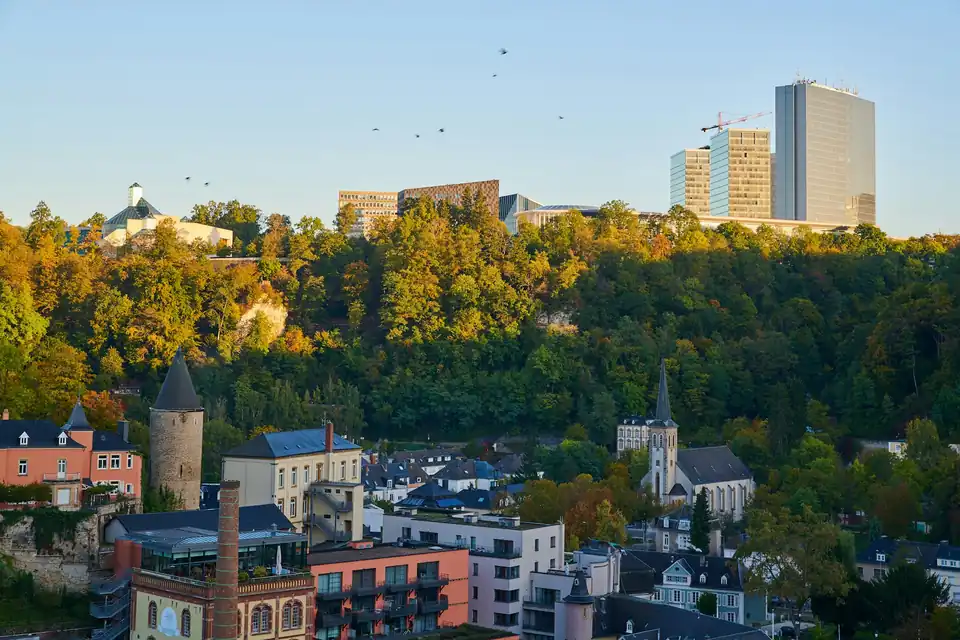
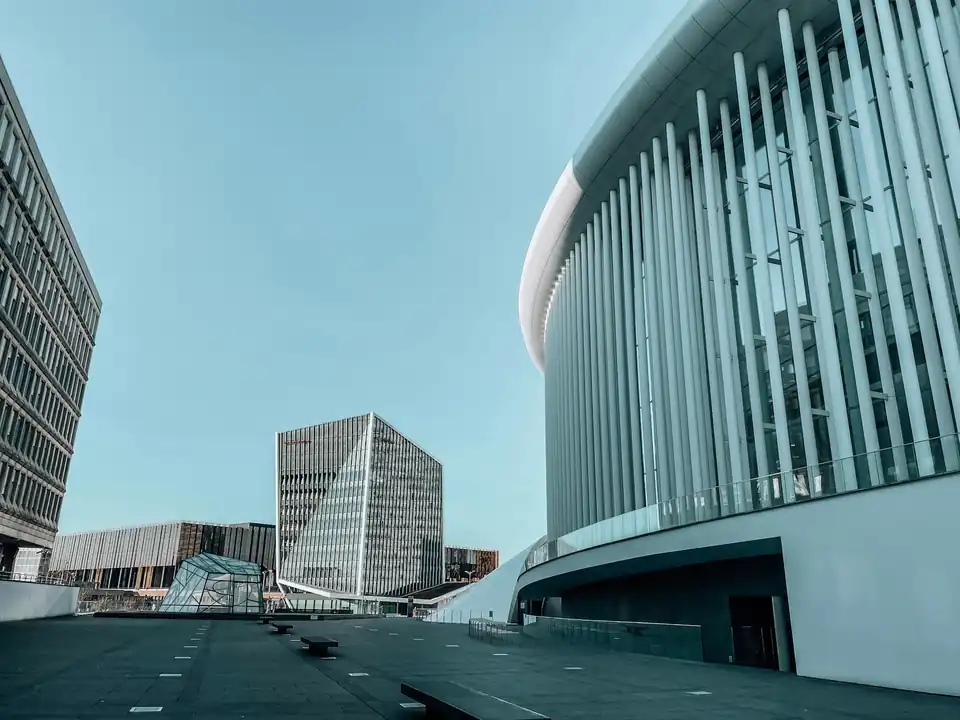
Once seen as purely a business district, Kirchberg now has a growing residential scene alongside its offices, with the Philharmonie concert hall, the MUDAM contemporary art museum, and the Kirchberg shopping mall.
One of the best locations for professionals working in EU institutions, finance, technology or international companies.
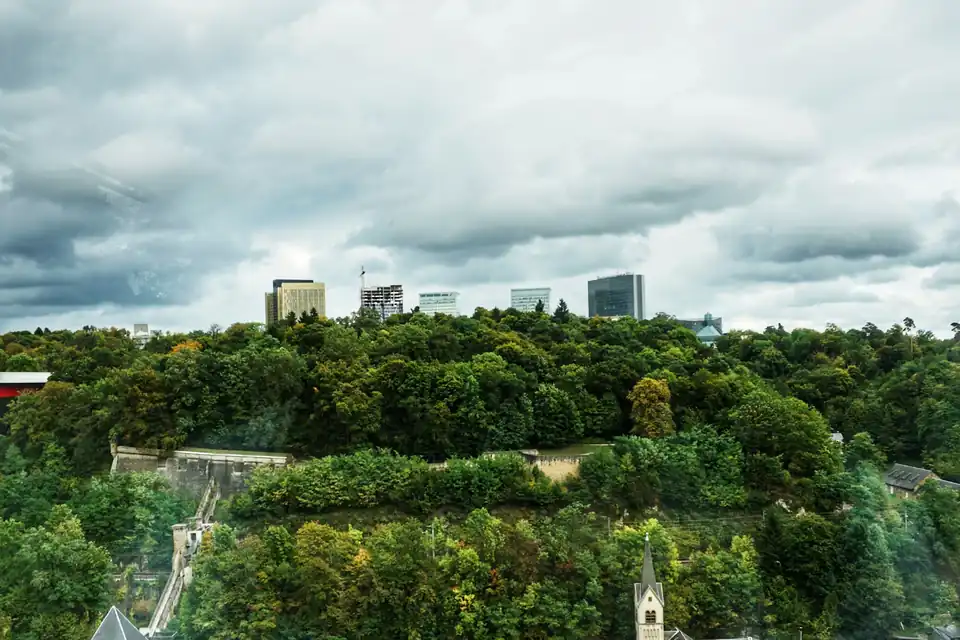
Kirchberg is Luxembourg's most modern district by a wide margin - a plateau above the old town filled with glass office towers, European Union institutions and international banks.
“Modern, international and extremely well connected - Kirchberg suits a fast-paced professional lifestyle.”
The Aura take on Kirchberg
Once seen as purely a business district, Kirchberg now has a growing residential scene alongside its offices, with the Philharmonie concert hall, the MUDAM contemporary art museum, and the Kirchberg shopping mall.
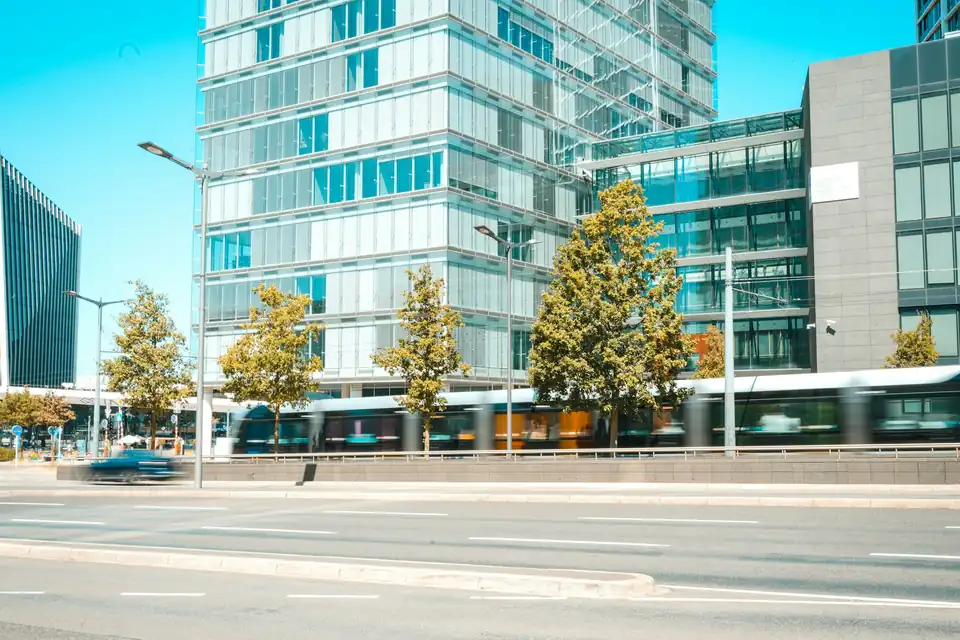
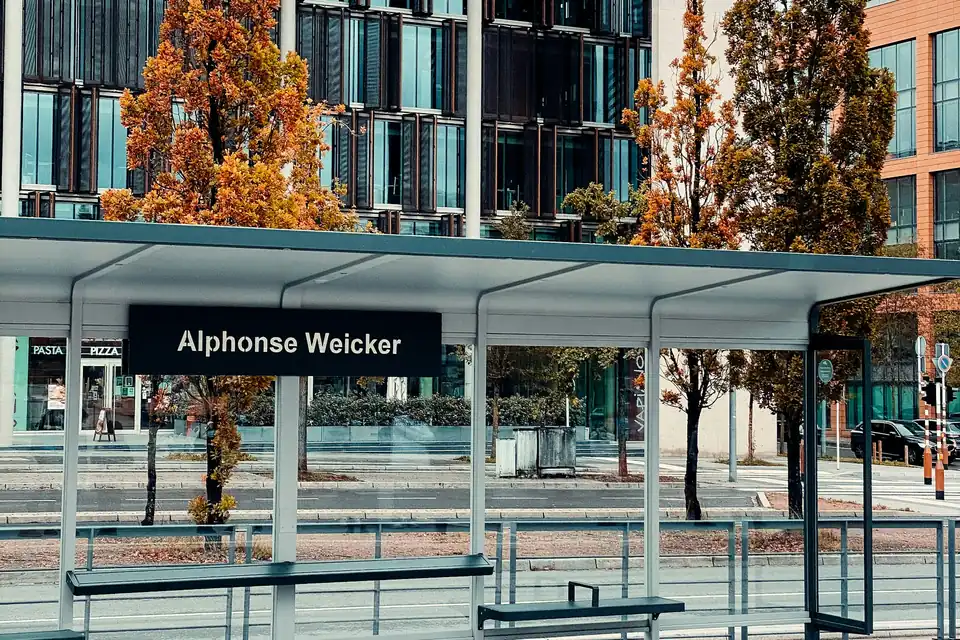
The tram line runs directly through Kirchberg, connecting it to the central station and city centre in minutes.
In short T1 tram plus a dense network of AVL bus connections
Shopping at the Kirchberg mall, green space around the Coque sports complex, and a wealth of restaurants serving the EU institutions crowd.
In short Auchan Kirchberg and the Kirchberg Shopping Center make everyday shopping easy. The Philharmonie, MUDAM, Coque, European institutions, offices and restaurants are all close by.
Ideal for professionals working in the EU institutions or the financial sector who want a short commute.
In short One of the best locations for professionals working in EU institutions, finance, technology or international companies.
Every caption says exactly what the photograph shows. Where we let homes in Kirchberg, you will also see real photos from our listings.
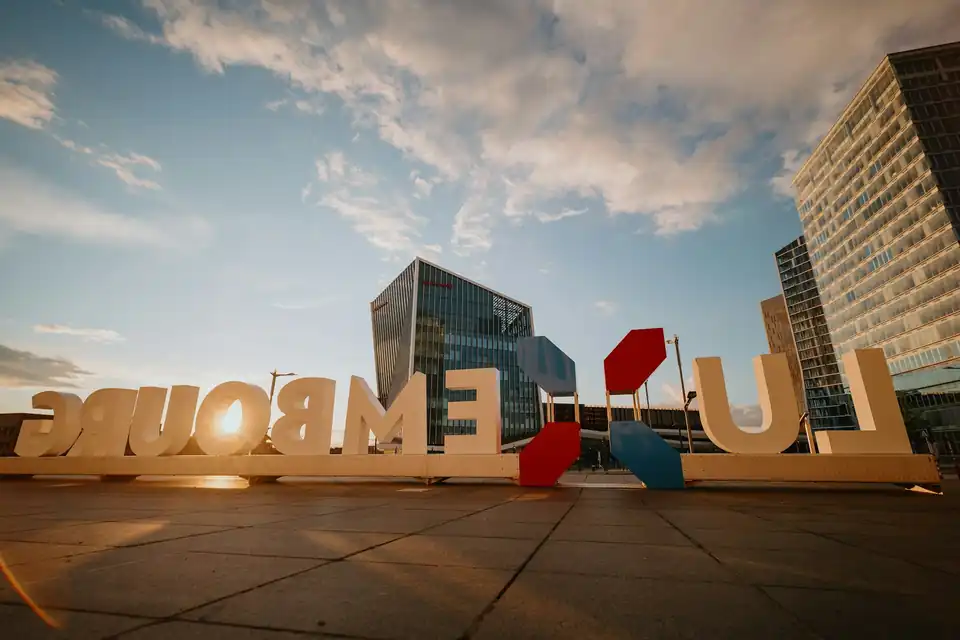
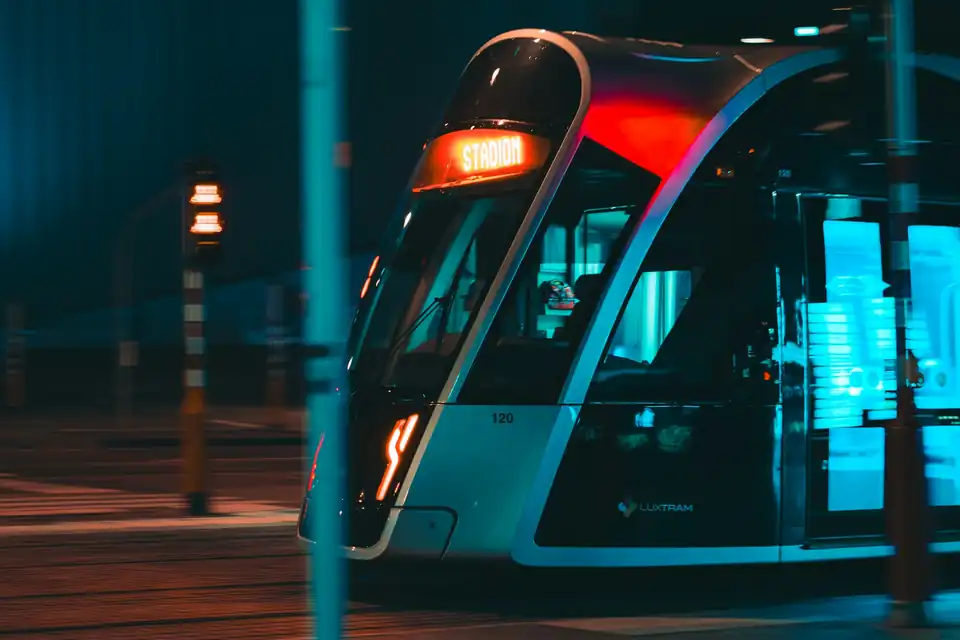
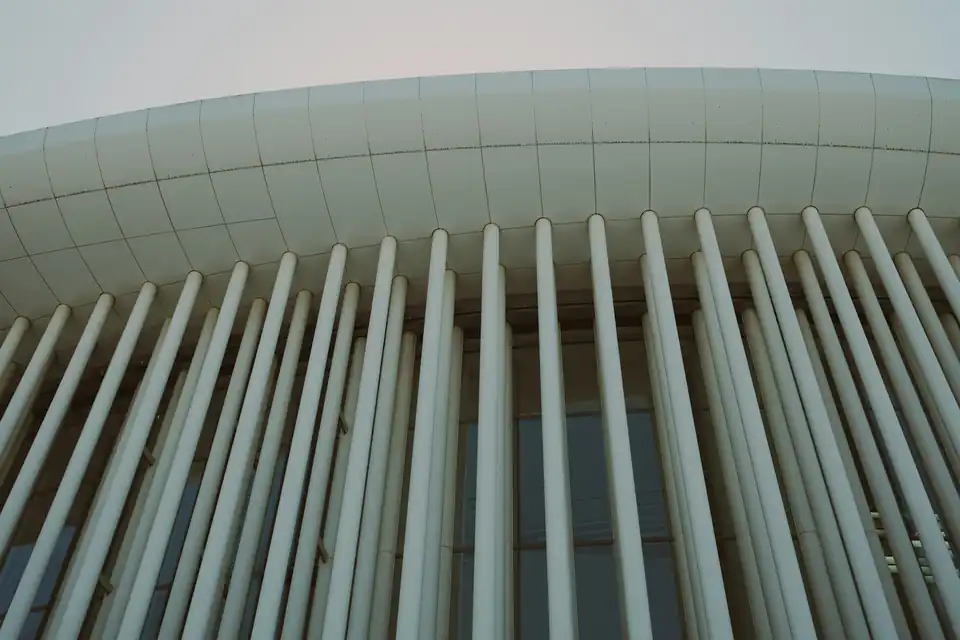
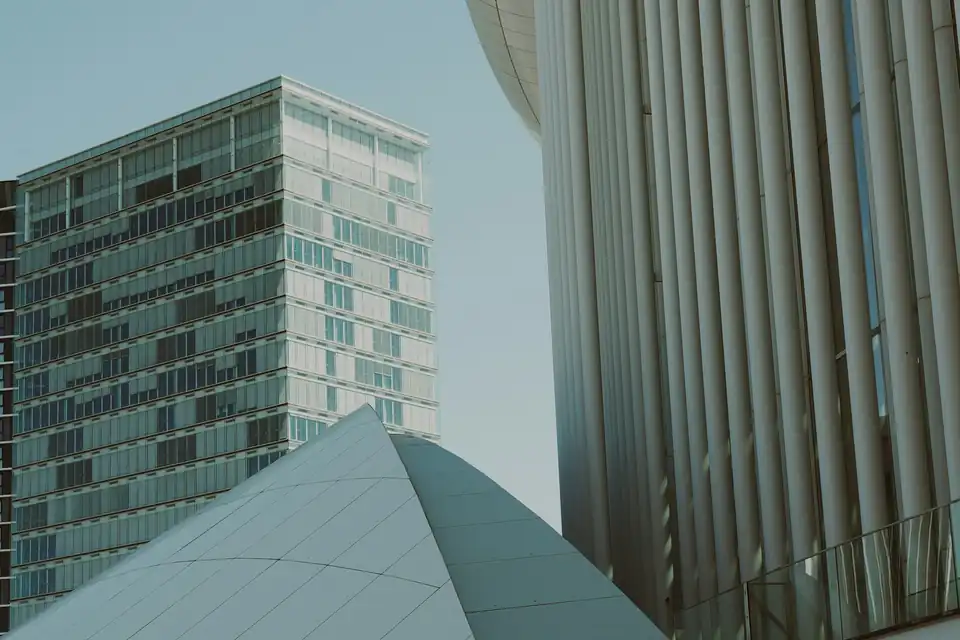
Kirchberg is the modern face of Luxembourg: a plateau developed from the 1960s onwards to hold the European institutions, and since then the banks, funds and technology companies that followed them. It is the only part of the city designed at scale, and it shows in the wide avenues and the architecture.
Residential building has increased substantially, adding apartment blocks alongside the offices. Stock is modern, with the standards that implies, and it is priced for the professional market that works on the plateau.
Kirchberg is efficient rather than charming, and it is noticeably quieter at the weekend when the offices empty. Anyone who wants the texture of an older quarter will find it a short tram ride away rather than outside the door.
The T1 tram serves this part of the city, alongside the AVL bus network, and all public transport in Luxembourg is free.
| Residents | 10,982 |
|---|---|
| Area | 3.37 km² |
| Density | 3,260 residents per km² |
| Part of the city | North-east |
Population and area: district figures of the City of Luxembourg, end of 2025.
Kirchberg is first mentioned in records in 1222, and a Roman road from Reims to Trier once crossed the plateau near today's Kiem. In 1732, the Austrian rulers of the fortress built Fort Thüngen and Fort Olizy here to defend the approaches to the city. For most of its history, though, the plateau was farmland.
Everything changed after 1952, when Luxembourg became the provisional seat of the European Coal and Steel Community. The government created the Fonds Kirchberg to urbanise the plateau, and from the 1960s the European institutions, then the banks, funds and technology companies that followed them, turned Kirchberg into the country's modern business district. Residential building has grown substantially since the 2000s.
The Avenue John F. Kennedy, about 3.5 kilometres long, is Kirchberg's spine, carrying the tram and the buses. Along and around it stand:
Kirchberg's residential areas include the Grünewald side near the forest and newer neighbourhoods such as the Kiem. The housing is modern: apartment buildings with lifts, underground parking and good energy performance. Studios and one- and two-bedroom apartments are well represented, reflecting a population that is more than 70% non-Luxembourgish.
Prices are high, set by the professional market that works on the plateau. For people who work here, the short commute often justifies them. Our article on living in Kirchberg looks at the trade-offs.
The Kirchberg shopping centre with its hypermarket covers daily needs, and restaurants and cafés serve the office population on weekdays. The Hôpital Kirchberg is in the north-east of the quarter. In the evening and at weekends, office areas are quiet; life concentrates around the residential blocks, the shopping centre, the cinema and the cultural venues.
The European School Luxembourg I is here, which makes Kirchberg the natural choice for many families working for the EU institutions. The Grünewald forest borders the plateau to the north-east, and parks run between the office and residential blocks. The Coque's pool and sports facilities are a major asset for families. See our guide to schools in Luxembourg.
The T1 tram runs the length of the Avenue John F. Kennedy, linking Kirchberg to the old town, the station, Bonnevoie and Cloche d'Or, and since 2025 to the airport. The Pfaffenthal-Kirchberg railway station, opened in December 2017, is connected to the plateau by a funicular. A bus interchange serves regional and cross-border lines. All public transport is free.
Kirchberg sits slightly higher than the city centre and can be a degree cooler, with more fog and snow in winter.
Kirchberg is home to about 10,982 residents on 3.37 km², a density of roughly 3,260 people per km², which makes it the 11th most densely populated of the 23 quarters in our guides. Around 26% of residents hold Luxembourgish nationality, lower than the city-wide share of about 31% (137,696 residents at the end of 2025, according to the City of Luxembourg). Like the capital as a whole, it is a genuinely international place to live.
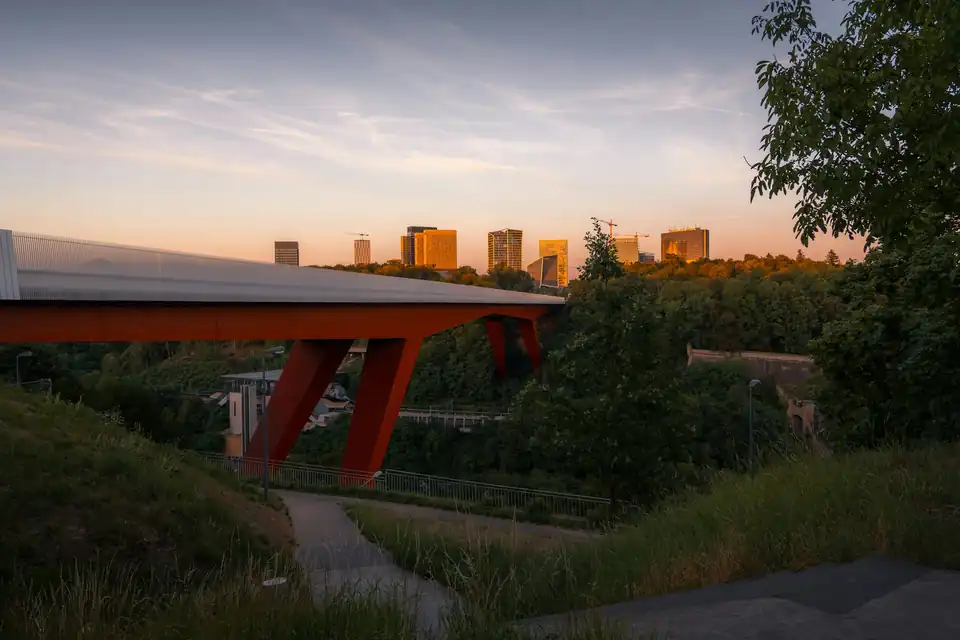
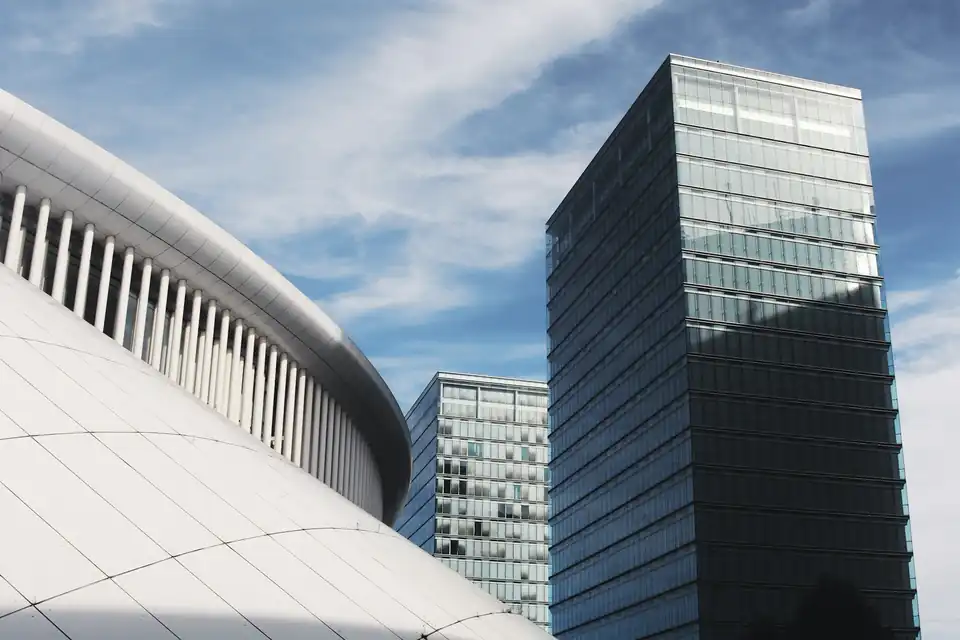
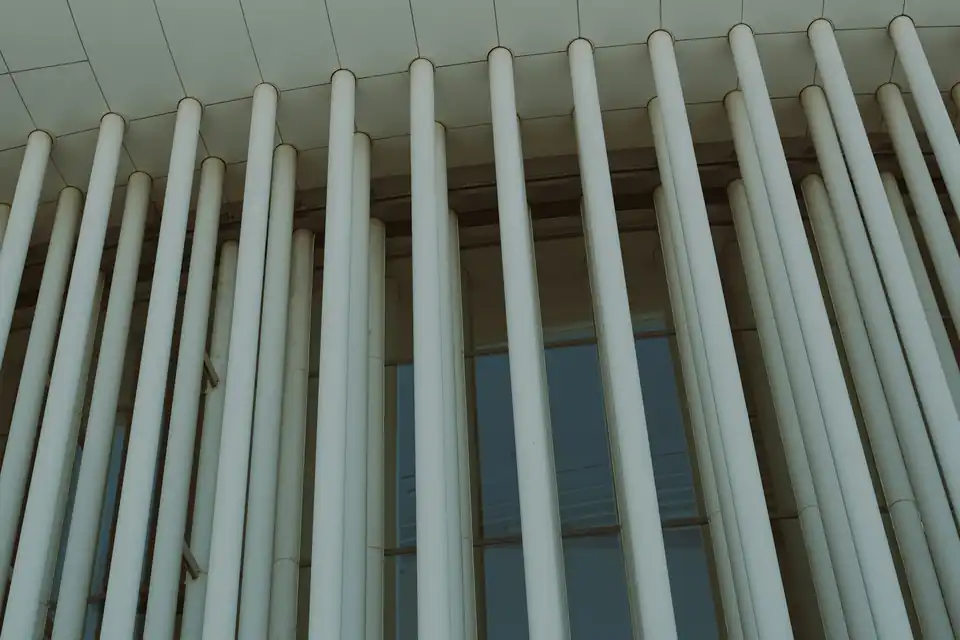
Start at the Grand Duchess Charlotte Bridge, the red bridge that leaps from Limpertsberg across the Pfaffenthal valley onto the plateau. On the Kirchberg side, Fort Thüngen, rebuilt as part of the old fortress, stands beside MUDAM, the museum of modern art designed by I. M. Pei, and the white colonnade of the Philharmonie on Place de l'Europe. From there, the Avenue John F. Kennedy carries the tram past the Court of Justice of the European Union, the European Investment Bank, the European Court of Auditors and the offices of banks and funds, towards the Kirchberg shopping centre, d'Coque sports centre, the National Library and, at the far end, Luxexpo The Box and the Grünewald forest. The whole plateau was farmland until the 1960s.
Kirchberg's calendar follows the working week: busy weekdays, quiet weekends in the office areas, and cultural life at the Philharmonie, MUDAM and d'Coque all year round. Trade fairs at Luxexpo bring visitors. In summer, the parks between the office blocks and the edge of the forest become places to walk and run.
| What residents appreciate | What to weigh up |
|---|---|
| Short commute for EU, finance and technology professionals | High prices set by the professional market |
| Modern, energy-efficient apartments | Office areas quiet at weekends |
| Tram to the airport, the centre and Cloche d'Or | Less historic character than the central quarters |
| Philharmonie, MUDAM, d'Coque and the forest | Construction continues in residential zones |
| Quarter | Residents | People per km² | Luxembourgish | Tram in the quarter |
|---|---|---|---|---|
| Kirchberg | 10,982 | 3,260 | 26% | Yes |
| Weimerskirch | 2,471 | 2,236 | 32% | No, buses |
| Pfaffenthal | 1,380 | 3,678 | 39% | Funicular to the tram |
| Neudorf | 7,178 | 2,884 | 25% | No, buses |
Population and area: City of Luxembourg district figures, end of 2025. Luxembourgish share rounded.
Kirchberg is efficient, modern and superbly connected. It suits people who work there, families at the European School, and anyone who values new-build comfort. For character and evening life, the old town is fifteen minutes away by tram.
Kirchberg is on the plateau north-east of the old town. Kirchberg is the modern face of Luxembourg: a plateau developed from the 1960s onwards to hold the European institutions, and since then the banks, funds and technology companies that followed them.
Residential building has increased substantially, adding apartment blocks alongside the offices. Stock is modern, with the standards that implies, and it is priced for the professional market that works on the plateau.
Kirchberg is efficient rather than charming, and it is noticeably quieter at the weekend when the offices empty. Anyone who wants the texture of an older quarter will find it a short tram ride away rather than outside the door.
The T1 tram serves this part of the city, alongside the AVL bus network, and all public transport in Luxembourg is free.
We do not have a listing in Kirchberg at this moment. Availability changes regularly, so it is worth checking the full rental portfolio, or telling us what you are looking for on WhatsApp so we can contact you when something in this quarter comes up.
Professionisti di istituzioni UE, finanza, tecnologia e aziende internazionali.
Tram T1 e rete autobus; ottimi collegamenti verso centro e stazione.
Shopping, ristoranti, Coque, musei e servizi internazionali sono facilmente accessibili.
Spazi verdi attorno a Coque, parchi e percorsi sul plateau.
Molto professionale di giorno, con after-work, cultura e ristorazione in crescita.
See the existing Aura listings for the homes and rooms currently offered in and around this quarter.

Install the Aura app in a few seconds: listings, neighbourhood guides and the Journal, one tap away, even with a weak connection.