In this article
- MUDAM: contemporary art on Kirchberg
- The Philharmonie: Luxembourg's concert hall
- History and heritage: MNHA and Lëtzebuerg City Museum
- Contemporary and classical art elsewhere in town
- Theatre and performance venues
- Cinemas
- The Luxembourg Card
- Nuit des Musées
- Getting to Kirchberg's cultural venues
- Booking and language
- Free and low-cost options
- Our take
MUDAM: contemporary art on Kirchberg
The Musée d'Art Moderne Grand-Duc Jean, known as MUDAM, sits on Kirchberg in a building designed by I.M. Pei, next to the Fort Thüngen fortifications it was built around. It holds Luxembourg's main collection of contemporary and modern art and runs a changing programme of temporary exhibitions alongside its permanent collection. Its Kirchberg location puts it close to the Philharmonie and within walking distance of the tram, making a combined visit to both venues easy in a single afternoon. Check mudam.com for current opening hours and admission before you go, since museum hours can change seasonally.
The Philharmonie: Luxembourg's concert hall
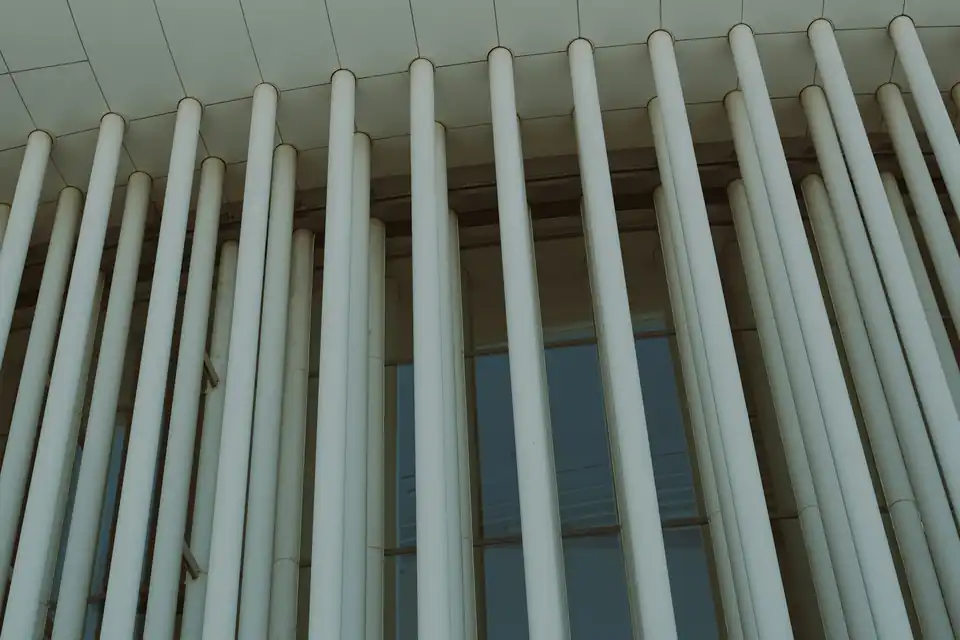
The Philharmonie Luxembourg, also on Kirchberg, opened in 2005 in a building designed by the French architect Christian de Portzamparc, chosen after an international competition in 1997. It houses three performance spaces: the 1,500-seat Grand Auditorium, the smaller Chamber Music Hall, and the more intimate Discovery Space, used for family and education programmes. It is the home of the Luxembourg Philharmonic Orchestra and hosts visiting orchestras, chamber ensembles and a broad programme beyond classical music. Its distinctive colonnade of slender white columns is one of the most recognisable pieces of architecture on Kirchberg; our Kirchberg neighbourhood guide covers what living near it is actually like.
History and heritage: MNHA and Lëtzebuerg City Museum
The Musée National d'Histoire et d'Art (MNHA), in Ville Haute, covers Luxembourg's archaeology, fine art and decorative arts from prehistory to the twentieth century, including Gallo-Roman finds from across the country. According to the museum, individual admission is €7, with a combined ticket covering both the MNHA and its sister site for €12 on the same day, and free entry for visitors under 26, Luxembourg Card holders, and during the last hour before closing. It closes on Mondays and on a handful of public holidays. Full current hours and prices are on the MNHA website.
The Lëtzebuerg City Museum, in the Grand Rue in Ville Haute, tells the story of the city itself, from its fortress origins to the modern capital, and is a good first stop for anyone who wants context before exploring the old town on foot.
Contemporary and classical art elsewhere in town
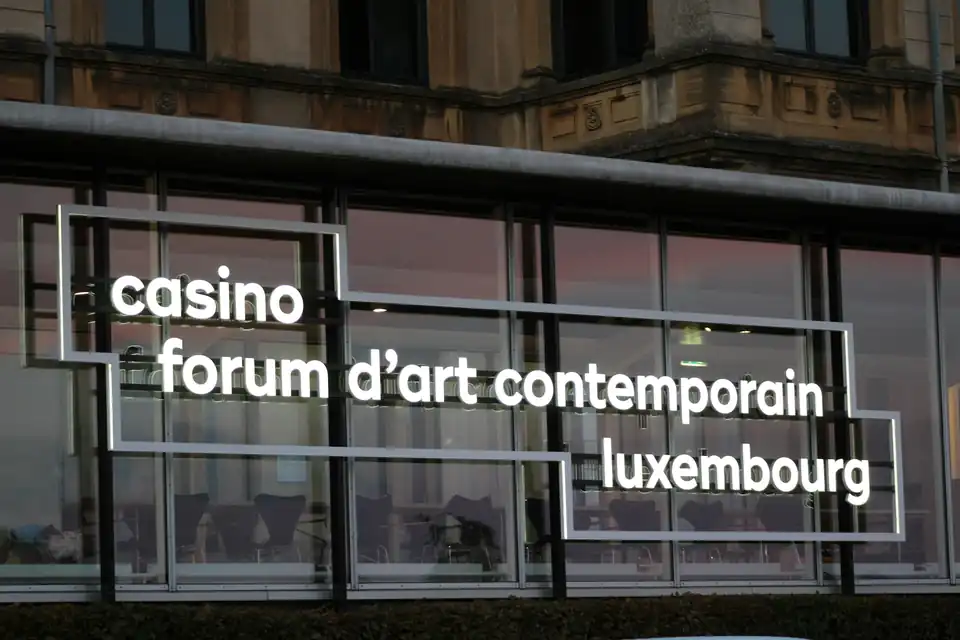
Casino Luxembourg – Forum d'art contemporain, on rue Notre-Dame in Ville Haute, is dedicated to contemporary art exhibitions in a former nineteenth-century casino building, distinct from MUDAM in scale and focus, with a rotating programme rather than a permanent collection. Villa Vauban, on the edge of the municipal park near the Boulevard Roosevelt, houses the city's fine art museum, known particularly for Dutch and Flemish paintings and nineteenth-century French works, in a nineteenth-century villa with its own garden.
Theatre and performance venues
The Grand Théâtre de Luxembourg, in Limpertsberg, is the city's main venue for opera, dance and large-scale theatre productions, alongside the international TROIS C-L dance platform. Neimënster, in the Grund below the old town, occupies a former Benedictine abbey and combines concerts, exhibitions and a cultural centre in one of the most atmospheric settings in the city, worth visiting for the building alone. Rotondes, near the station in the former railway roundhouses, focuses on a younger, more experimental programme spanning music, circus and visual arts, alongside a well-used public square outside. For live music beyond the classical programme, den Atelier in Hollerich is the city's best-known venue for touring bands and concerts.
Cinemas
Luxembourg City has two main cinema options for different tastes: Utopia, in Limpertsberg, screens films in their original language, including arthouse and independent titles, while Kinepolis, at the Kirchberg multiplex, covers mainstream releases with larger screens. Both are useful to know if you prefer subtitled original-language versions over dubbed films, which is the norm at Utopia but not guaranteed everywhere.
The Luxembourg Card
For visitors, or residents wanting to explore intensively over a weekend, the Luxembourg Card bundles free entry to a long list of attractions around the country with free use of trains and buses nationwide (public transport in Luxembourg is in any case free for everyone, covered in our guide to free public transport, so the card's main value is the museum and attraction access). It is sold for one, two or three days, with a cheaper per-person rate for groups of up to five travelling together, and is available from tourist information points, hotels, and transport stations. Because prices and the exact list of participating attractions are updated periodically, check the current details on the official Luxembourg Card page before buying.
Nuit des Musées
Luxembourg City runs an annual Nuit des Musées (Night of the Museums), when participating museums open late into the evening, often with extended and reduced-price or free entry, live performances and a shuttle bus between venues. It is one of the best single evenings to sample several of the city's museums at once, and it draws a noticeably younger, more local crowd than a typical daytime visit. Dates move from year to year, so check the Ville de Luxembourg events page closer to the time.
Getting to Kirchberg's cultural venues
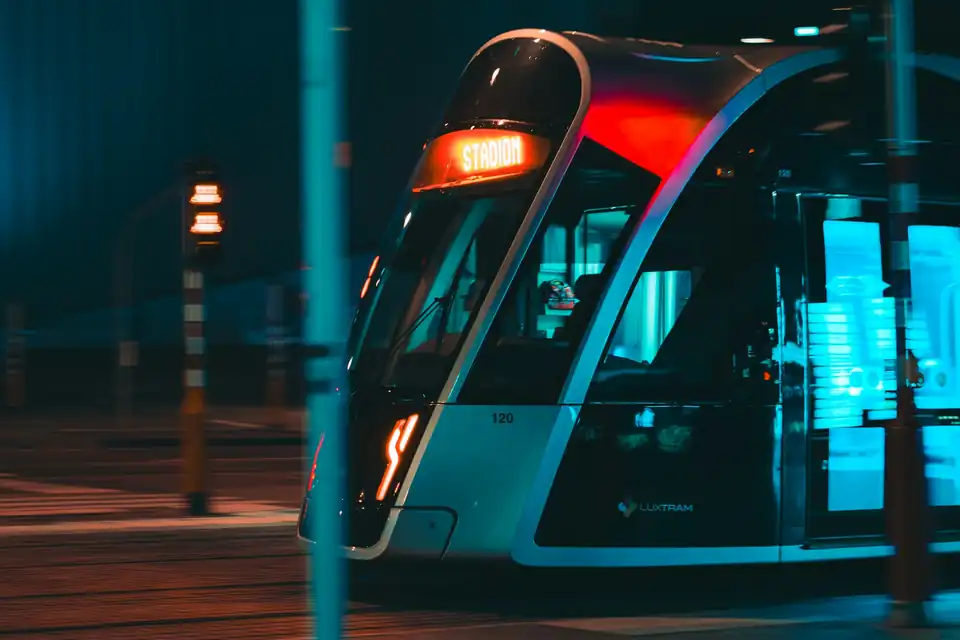
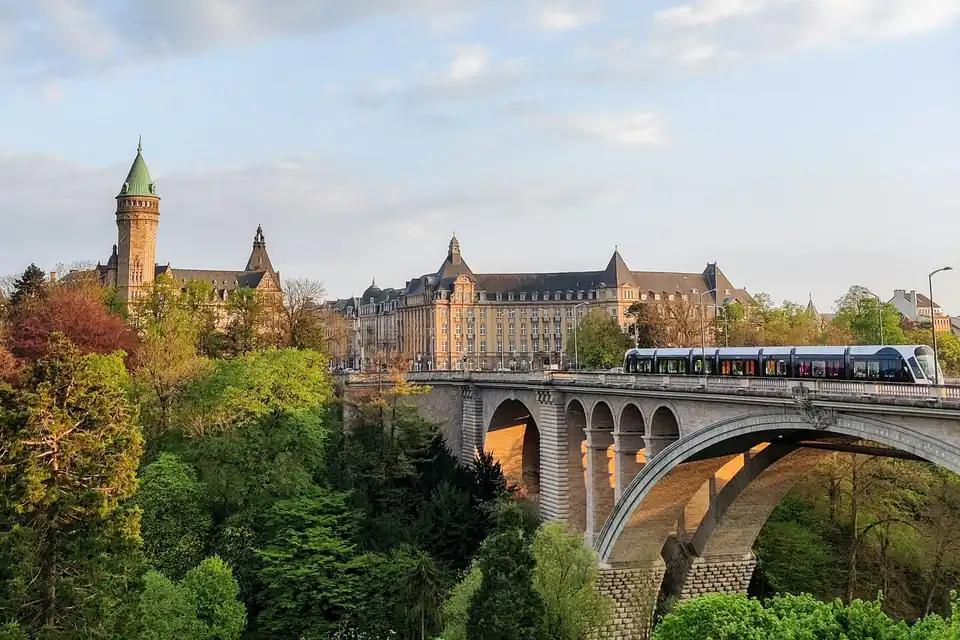
MUDAM and the Philharmonie both sit near the Kirchberg tram line, reachable directly from the Gare, Hamilius and the Pfaffenthal funicular without a car; parking on Kirchberg on a concert or exhibition evening can be tight, so the tram is usually the easier option. See our guide to living along the tram for how the line connects the main cultural venues to the rest of the city.
Booking and language
Most venues sell tickets online in English as well as French and German, and larger institutions such as the Philharmonie and the Grand Théâtre publish full-season programmes well in advance, so it is worth subscribing to a venue's newsletter if you want first access to popular concerts or the annual opera productions. Smaller venues, including Rotondes and den Atelier, tend to release programmes on a rolling basis closer to each event, so checking their sites every few weeks is more useful than trying to plan a season ahead. Several museums, including MNHA and MUDAM, offer guided tours in English on a fixed schedule or on request for groups, a good option if you want context on the collection rather than wandering unguided.
Free and low-cost options
Culture in Luxembourg is not only for those willing to pay full price. Beyond the free entry windows already mentioned at MNHA, several museums run occasional free-entry days, and outdoor sculpture and public art, including pieces scattered around Kirchberg's business district and the municipal park, cost nothing to see at any time. Students and residents under 26 should always ask about reduced or free entry, since Luxembourg's cultural institutions are, on the whole, more generous with concessions than many comparable European capitals.
Our take
The concentration of serious cultural institutions within walking distance, or one tram ride, of the centre is something residents often only appreciate after a year or two, once they have worked their way through the obvious first visits. If proximity to Kirchberg's museums and concert halls, or to the Ville Haute gallery scene, matters to your choice of home, our neighbourhood guides can point you to quarters within easy reach, and our current listings are a good place to start looking.
Sources
This article gives general practical information. Services, prices and rules change; check the current details with the operator or the commune concerned.