Atmosphere
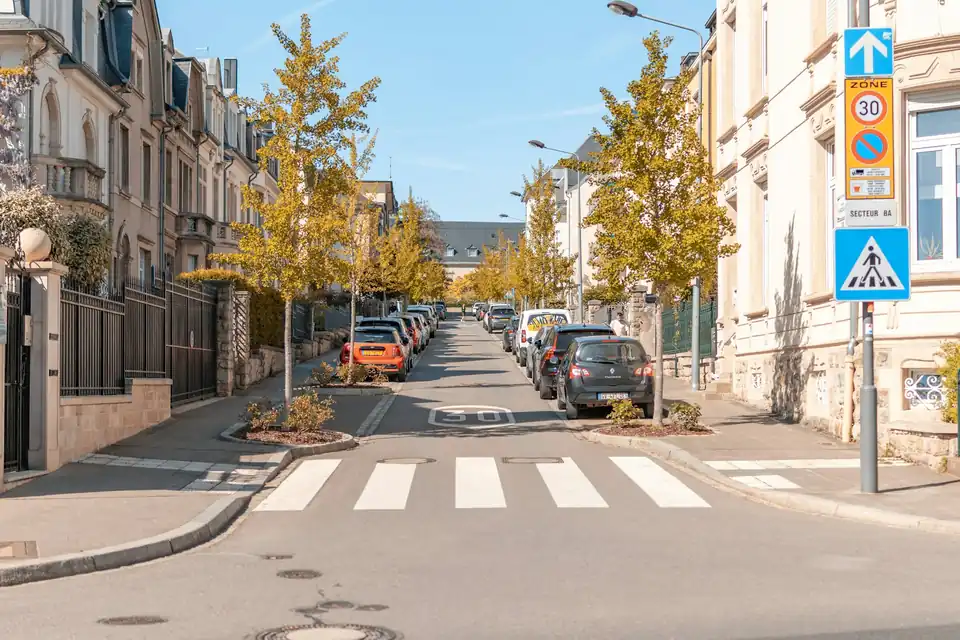
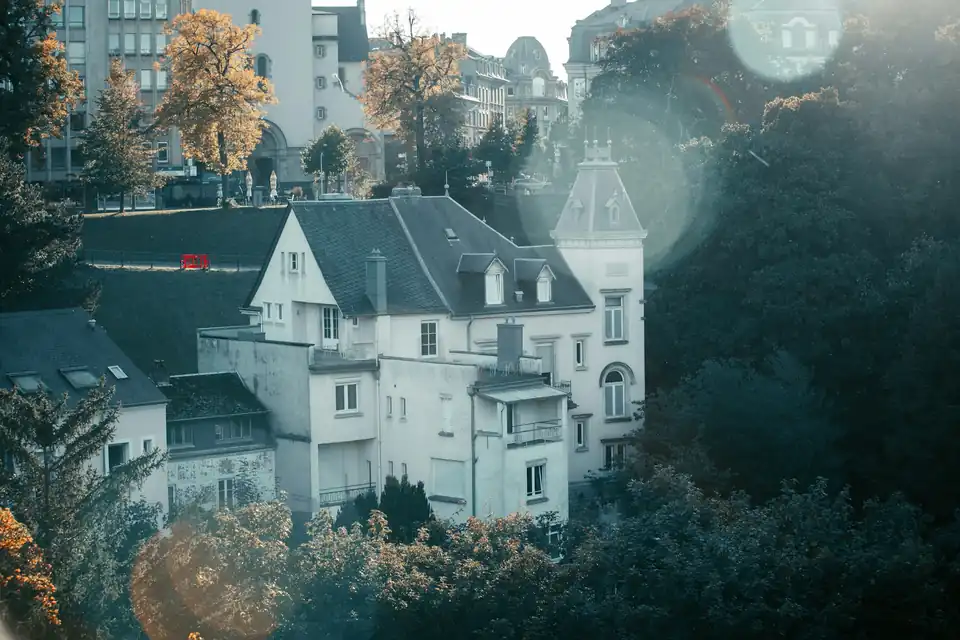
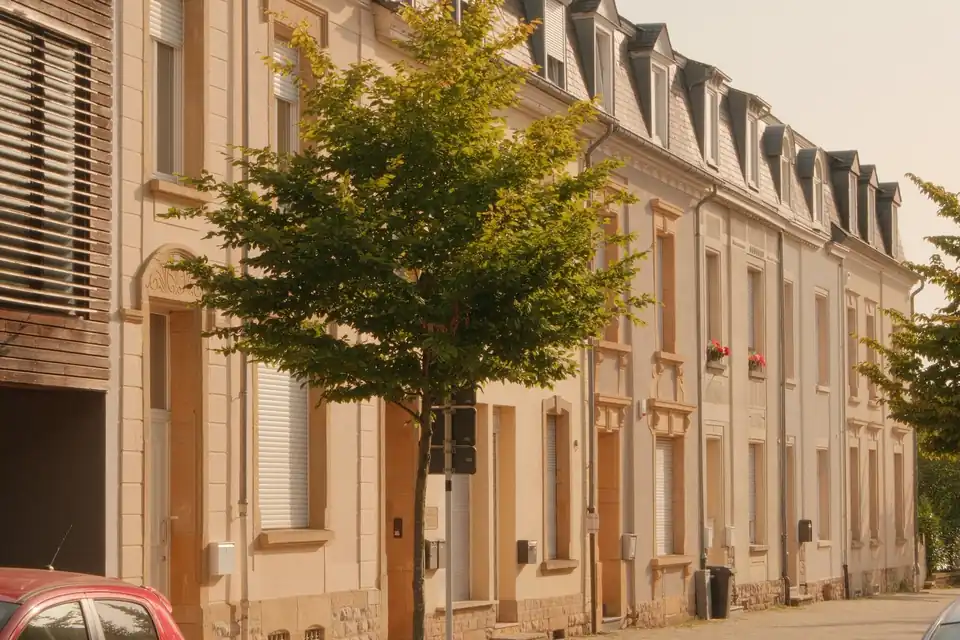
Belair is known for its beautiful villas, embassies and tree-lined avenues. It feels calm and refined, yet it is only a short walk or bus ride from the heart of the city.
Excellent for families and professionals who want greenery and a prestigious address close to the centre.
If you want to live close to Luxembourg City centre without feeling like you live in the middle of a busy city, Belair is one of the hardest neighbourhoods to beat. Elegant, green and prestigious, it is one of the most sought-after residential areas in the capital.
“We love Belair for its balance - it gives you the best of Luxembourg City living without the hustle.”
The Aura take on Belair
Belair is known for its beautiful villas, embassies and tree-lined avenues. It feels calm and refined, yet it is only a short walk or bus ride from the heart of the city.
Belair is very well connected. Several AVL bus lines run regularly into the city centre, and the City Night Bus covers the area.
In short Several AVL bus lines, plus City Night Bus service
The Parc de Merl is just a few minutes away. There are supermarkets, bakeries, cafés and restaurants within easy reach.
In short Parc de Merl is nearby, with supermarkets, bakeries, cafés, restaurants, schools and healthcare services spread through the district and neighbouring Merl.
Belair is ideal for families and professionals who want a prestigious, calm and green address that is still close to everything.
In short Excellent for families and professionals who want greenery and a prestigious address close to the centre.
Every caption says exactly what the photograph shows. Where we let homes in Belair, you will also see real photos from our listings.
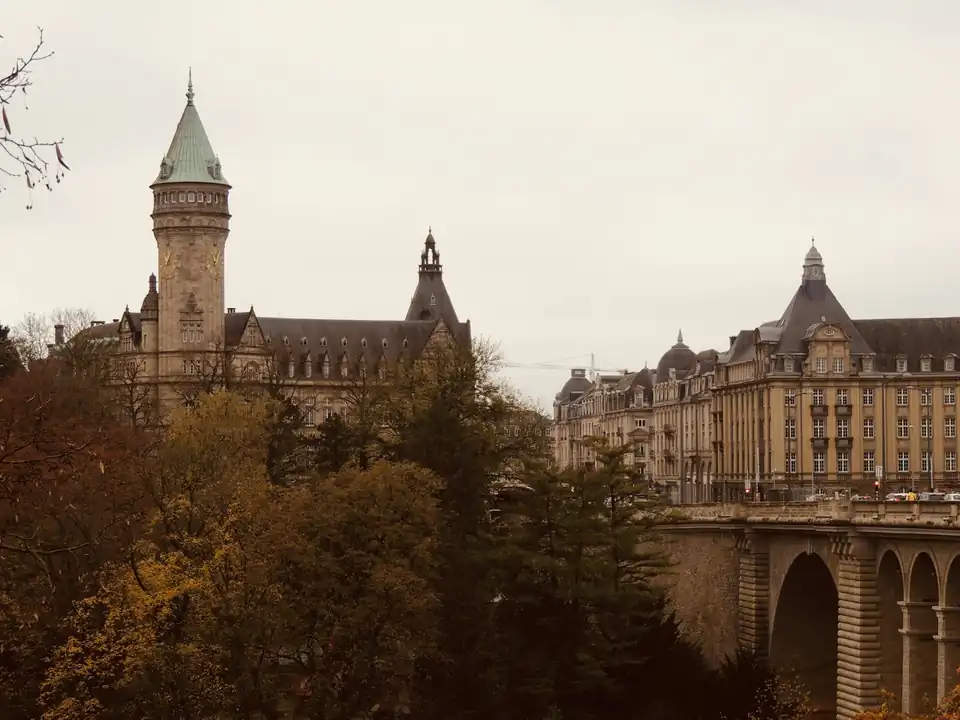
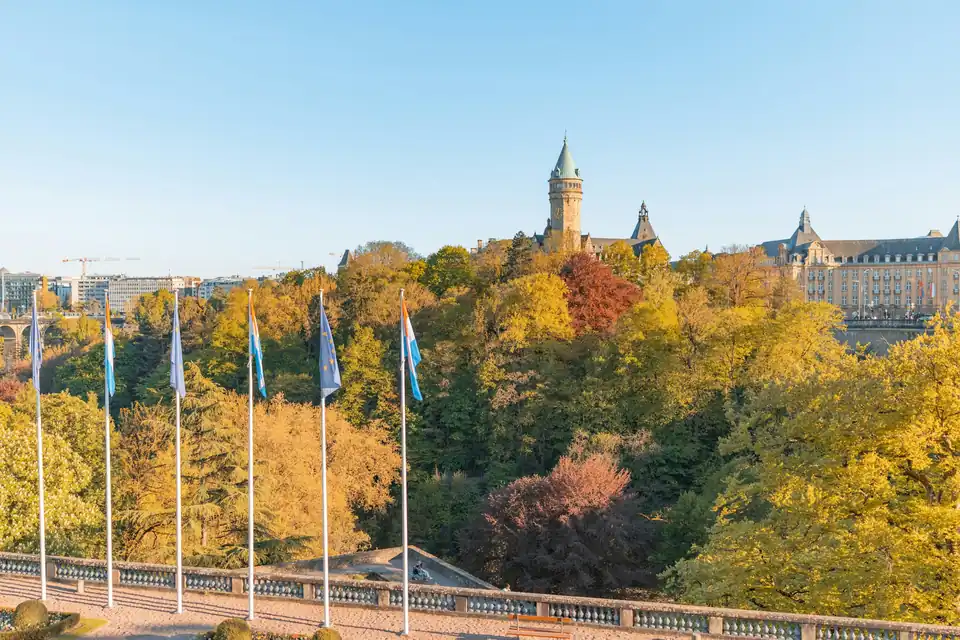
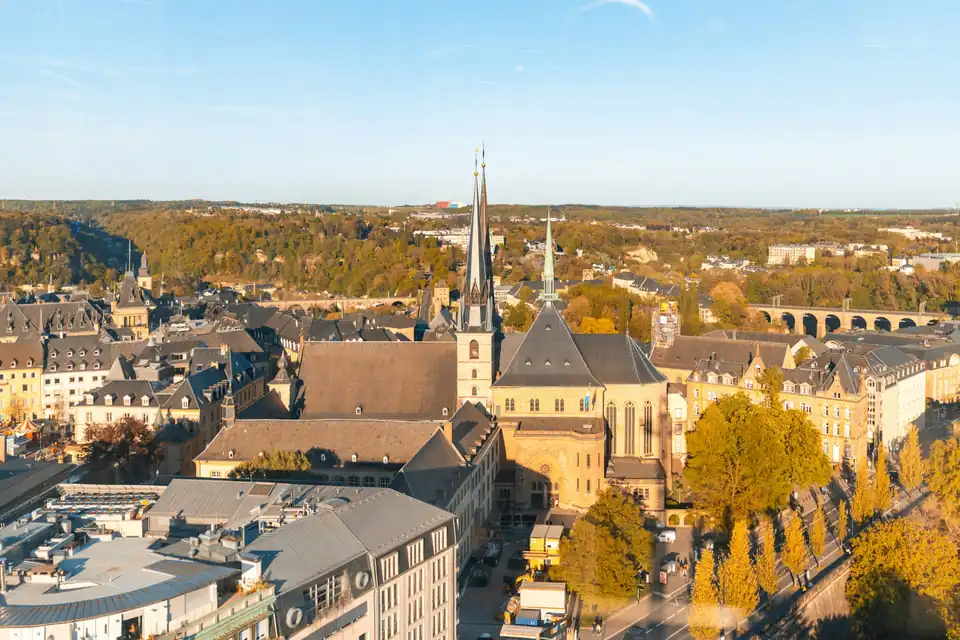
Belair is the quarter people mean when they talk about established residential Luxembourg. It sits directly west of the centre on the plateau, laid out in wide streets of detached villas and solid pre-war and mid-century apartment buildings. It is close enough to walk into Ville Haute and far enough to be genuinely quiet in the evening.
The housing stock is heavily weighted towards large apartments and family houses rather than studios and small units, which is the main reason Belair is consistently among the most expensive addresses in the country. Supply of small rentals is thin, and when it appears it moves quickly.
The honest trade-off is cost and a certain reserve. Belair is calm, green and safe, but it is not lively, and a single professional looking for a small unit will find more choice and better value a few minutes further out in Merl, Hollerich or Rollingergrund.
The quarter is served by the AVL bus network rather than the tram, with tram connections a short ride away. All public transport in Luxembourg is free.
| Residents | 12,331 |
|---|---|
| Area | 1.72 km² |
| Density | 7,178 residents per km² |
| Part of the city | West |
Population and area: district figures of the City of Luxembourg, end of 2025.
Belair is younger than its reputation suggests. Until the nineteenth century, the land west of the old town lay inside the fortress's exclusion zone, where only wooden structures were allowed, so that nothing could give cover to an attacking army. The Route d'Arlon was laid out in 1722 for military reasons. The area was known as Neumerl, "new Merl", until 1956. Its real growth came after the Second World War: between 1951 and 1960 some seventeen new streets were built, and the arrival of the European Coal and Steel Community in Luxembourg in 1952 brought a new population of officials, diplomats and professionals looking for homes close to the centre.
That history explains the look of the quarter today: generous streets, detached villas and solid apartment buildings from the 1950s and 1960s, with later buildings filling the gaps.
Belair is bounded to the east by the Boulevard Grande-Duchesse Charlotte, to the north by the Route d'Arlon, which separates it from Rollingergrund, and to the west by the commune of Strassen. The Avenue du X Septembre and the Avenue Guillaume cross its southern part around the Place de France.
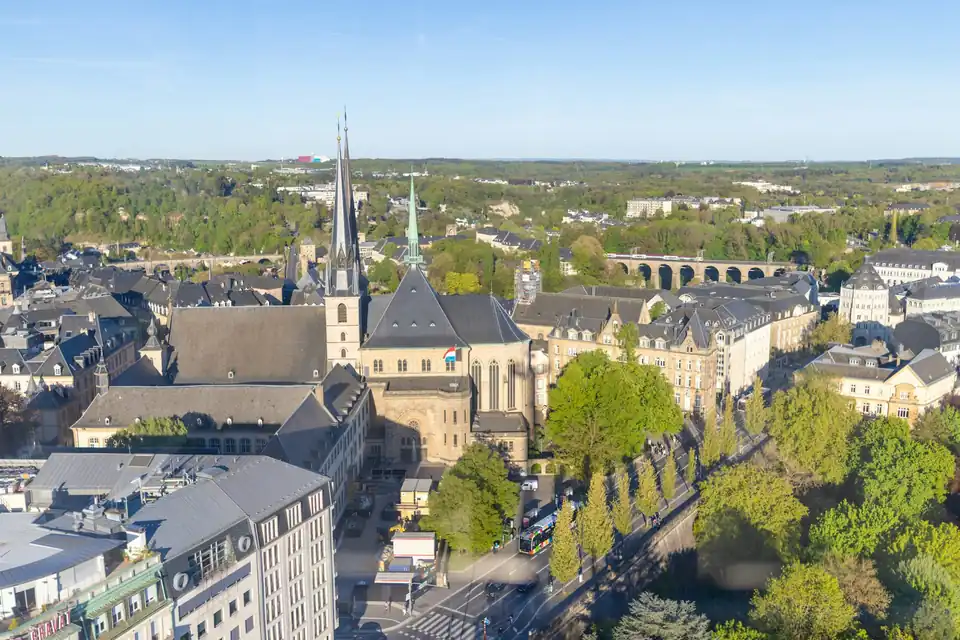
Its landmarks are practical rather than monumental. The parish church was built between 1953 and 1957. The Chapelle du Christ-Roi, built in 1931, belongs to the Jesuits. The city's main fire station is here. The site of the former national stadium, the Stade Josy Barthel, which closed when the new Stade de Luxembourg opened in 2021, is being redeveloped as a mixed residential neighbourhood. The Centre Hospitalier de Luxembourg, the country's main hospital, sits on the northern edge of the quarter.
Belair's housing is weighted towards large apartments and family houses. Many apartment buildings date from the post-war decades and offer generous rooms, cellars and garages, and some have been renovated to modern standards. New buildings are fewer and command high prices.
For renters, three consequences follow. Family-sized apartments and houses are available but rarely stay on the market long. Studios and rooms are scarce, so single professionals often look in neighbouring Merl, Hollerich or Rollingergrund instead. And prices per square metre are among the highest in the city, which our article on why Belair is the most expensive quarter explains in detail.
Daily shopping is local: supermarkets, bakeries, butchers, pharmacies and banks are spread along the main axes, particularly around the Place de France and the Route d'Arlon. Restaurants are neighbourhood places rather than destinations. For wider choice, the old town is a short walk or bus ride away, and the shopping areas of Strassen are close by road.
Healthcare is a strength: besides the CHL, the quarter has many medical practices, dentists and specialists.
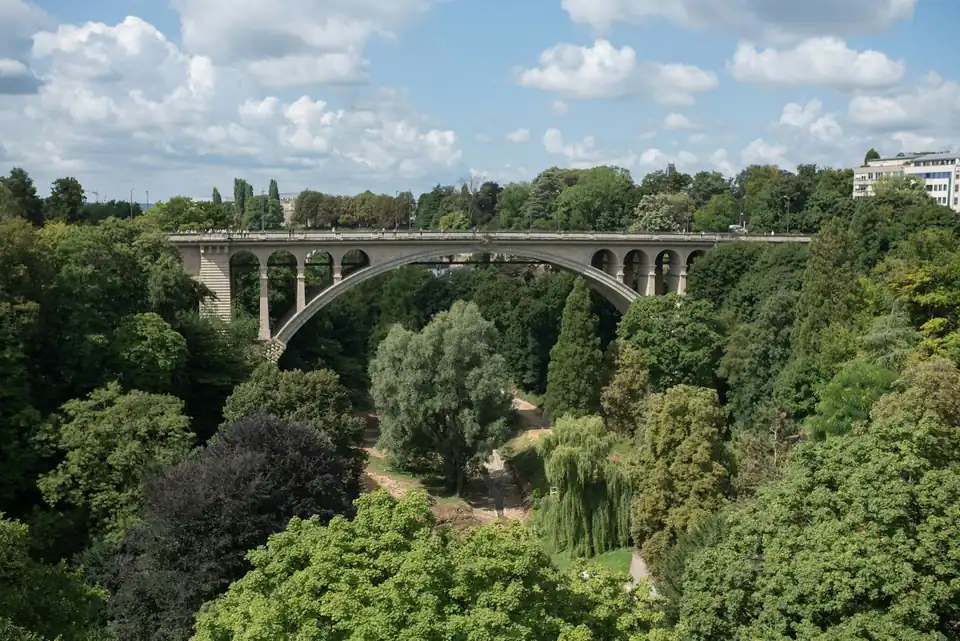
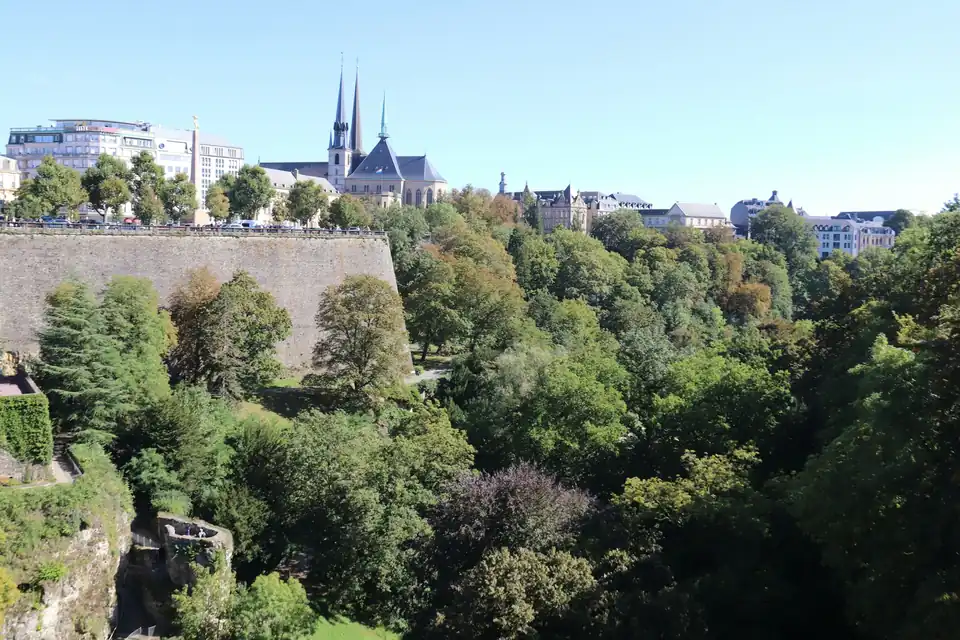
Belair is one of the city's family quarters. Public primary schools serve the area, and several secondary schools and international schools are within reach by bus. The Parc de Merl, on the border with Merl and Hollerich, is the quarter's main green space, with a pond, lawns and playgrounds. Tree-lined streets and private gardens add to the sense of space. See our guide to schools in Luxembourg.
Belair is served by several AVL bus lines towards the centre, the station and Kirchberg, and the Place de l'Étoile tram stop is on its north-eastern edge. The old town is walkable from the eastern streets in fifteen to twenty minutes. By car, the Route d'Arlon leads directly west towards Strassen, Mamer and Belgium. Parking is easier than in the centre, though many residents rely on private garages.
Belair is home to about 12,331 residents on 1.72 km², a density of roughly 7,178 people per km², which makes it the 3rd most densely populated of the 23 quarters in our guides. Around 33% of residents hold Luxembourgish nationality, higher than the city-wide share of about 31% (137,696 residents at the end of 2025, according to the City of Luxembourg). Like the capital as a whole, it is a genuinely international place to live.
Belair is best understood on foot from its eastern edge, where the Boulevard Grande-Duchesse Charlotte separates it from the city centre. Walk west along the Avenue Guillaume, the quarter's main shopping street, with its bakeries, pharmacies, cafés and independent shops, and the streets on either side turn quickly into the residential avenues that give Belair its reputation: trees, front gardens, substantial houses and well-kept apartment buildings. To the north the Route d'Arlon, laid out in 1722 for military reasons, marks the boundary with Rollingergrund and carries the traffic west. Further on lies the site of the former national Stade Josy Barthel, replaced by the Stade de Luxembourg in 2021 and earmarked for a new mixed neighbourhood. The Centre Hospitalier de Luxembourg, the city's main hospital, and the main fire station of Luxembourg City are also in the quarter, a reminder that Belair is a working part of the capital as well as a residential one.
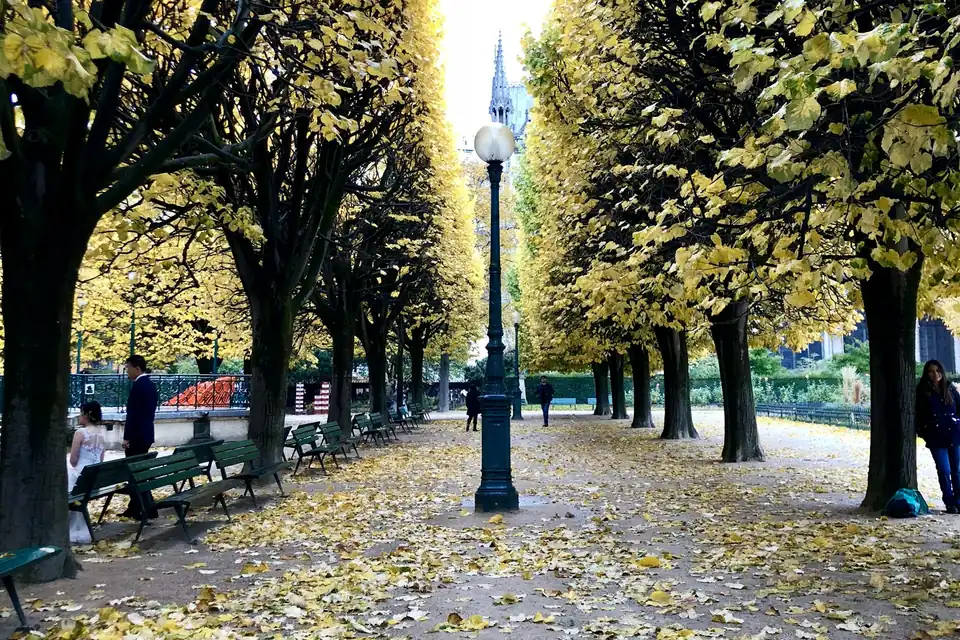
Belair's calendar is a residential one: school terms, the market rhythm of the Avenue Guillaume and quiet summers when many families travel. Its trees make it one of the most pleasant quarters to walk in autumn. It is also next door to the Parc de Merl, which many Belair residents treat as their own park, and a short walk from the city centre's festivals and winter market without living inside the crowds.
| What residents appreciate | What to weigh up |
|---|---|
| One of the most sought-after residential addresses in the city | Among the highest prices per square metre in the capital |
| Walking distance to the city centre | Few rooms and studios; the market is mostly family homes |
| Avenue Guillaume covers daily shopping on foot | The Route d'Arlon carries heavy traffic |
| Parc de Merl and the Pétrusse valley close by | Availability is limited and homes let or sell quickly |
| Quarter | Residents | People per km² | Luxembourgish | Tram in the quarter |
|---|---|---|---|---|
| Belair | 12,331 | 7,178 | 33% | No, buses |
| Merl | 6,602 | 2,719 | 32% | No, buses |
| Rollingergrund | 4,898 | 773 | 29% | No, buses |
| Ville Haute | 3,513 | 3,317 | 32% | Yes |
Population and area: City of Luxembourg district figures, end of 2025. Luxembourgish share rounded.
Belair is the address people choose when they want calm, space and prestige without leaving the city. It is not the place for evening life or bargains. For families and long-term residents, it remains one of the most reliable choices in Luxembourg.
Belair is immediately west of the city centre. Belair is the quarter people mean when they talk about established residential Luxembourg.
The housing stock is heavily weighted towards large apartments and family houses rather than studios and small units, which is the main reason Belair is consistently among the most expensive addresses in the country. Supply of small rentals is thin, and when it appears it moves quickly.
The honest trade-off is cost and a certain reserve. Belair is calm, green and safe, but it is not lively, and a single professional looking for a small unit will find more choice and better value a few minutes further out in Merl, Hollerich or Rollingergrund.
The quarter is served by the AVL bus network rather than the tram, with tram connections a short ride away. All public transport in Luxembourg is free.
We do not have a listing in Belair at this moment. Availability changes regularly, so it is worth checking the full rental portfolio, or telling us what you are looking for on WhatsApp so we can contact you when something in this quarter comes up.
Famiglie, professionisti e coppie che vogliono verde e tranquillità vicino al centro.
Autobus AVL e collegamenti notturni; il centro è raggiungibile anche a piedi.
Supermercati, panetterie, cafés e servizi quotidiani; Parc de Merl è vicino.
Parc de Merl e viali alberati sono parte importante della vita quotidiana.
Atmosfera raffinata e residenziale; meno orientato alla nightlife rispetto ai quartieri centrali.
See the existing Aura listings for the homes and rooms currently offered in and around this quarter.

Install the Aura app in a few seconds: listings, neighbourhood guides and the Journal, one tap away, even with a weak connection.