In this article
The Knuedler market
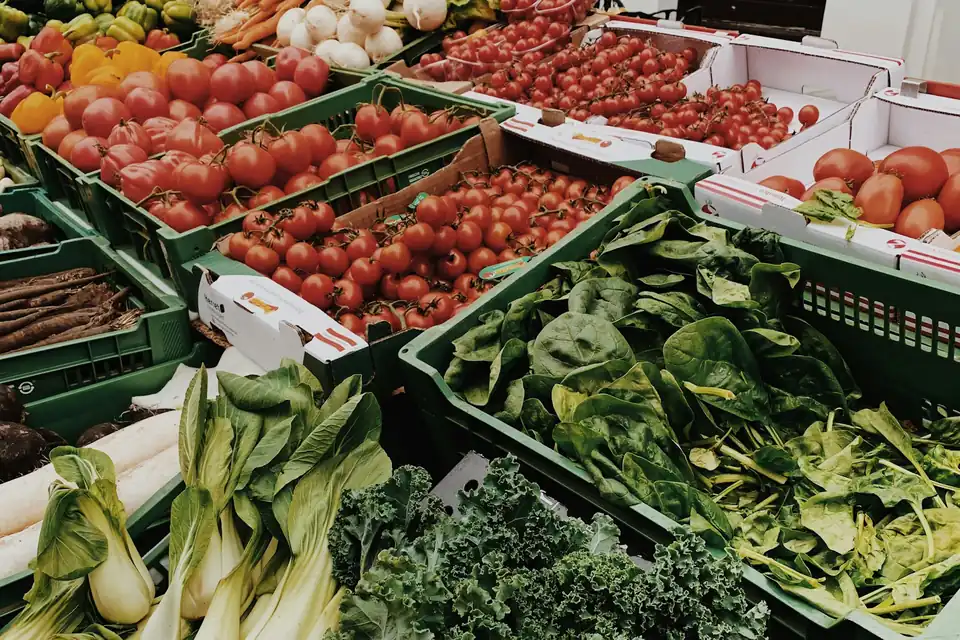
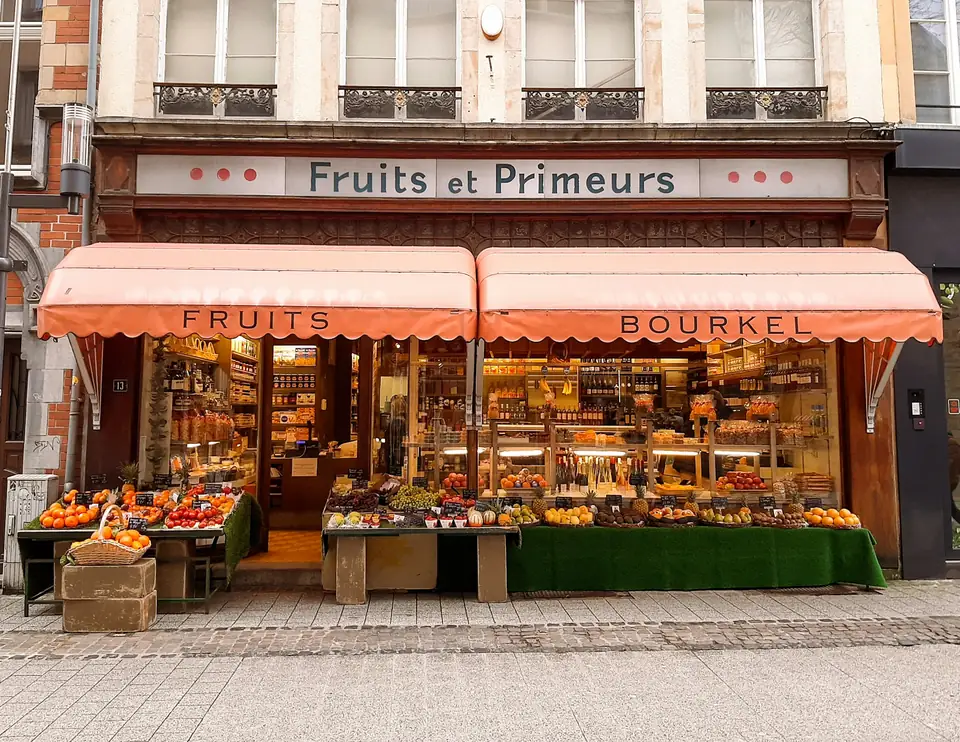
The city's main market, known locally as the Stater Maart, takes place on Place Guillaume II, universally called the Knuedler, every Wednesday and Saturday from 7:30 to 14:00, according to the Ville de Luxembourg. Stalls sell regional and seasonal produce, flowers and plants, fruit and vegetables, fish, meat, baked goods, roast chicken, pasta and cheese, alongside other artisanal products. It sits in the heart of Ville Haute, a short walk from the funicular and several bus routes, and is as much a social occasion as a shopping trip, with many residents timing a coffee or lunch around it.
A second, smaller market, the Garer Maart, runs every Thursday from 7:30 to 14:00 on Place de Paris in the Gare quarter, close to the Place de Paris tram stop and the district's many cafés. Both markets are good ways to get to know a neighbourhood beyond its listings and photographs; our guide to Ville Haute and the Gare quarter cover what living near each market is actually like day to day.
Judd mat Gaardebounen and other national dishes
If Luxembourg has one dish that stands as its national plate, it is Judd mat Gaardebounen: smoked pork collar, slow-cooked with leeks, carrots, celery and cloves, sliced and served with broad beans in a butter and onion sauce, alongside boiled potatoes. According to Wikipedia, the village of Gostingen in the south-east is particularly associated with growing the broad beans the dish requires, and its residents have earned the affectionate nickname "Bounepatscherten", roughly "bean-madmen". You will find it on menus at traditional restaurants across the city, particularly in autumn and winter.
Other dishes worth knowing:
- Bouneschlupp: a hearty green bean soup, usually with potatoes and smoked bacon or sausage, a genuine comfort food on a cold day.
- Gromperekichelcher: fried potato fritters, sold at markets and fairs, especially recognisable at the Schueberfouer funfair each summer.
- Kniddelen: dumplings, often served with bacon and a side of stewed fruit or with mushroom sauce, a filling and simple traditional dish.
None of these are exotic or hard to find; most traditional restaurants (Stuff-style establishments in particular) carry several on a seasonal menu, and Judd mat Gaardebounen in particular is worth ordering once as an introduction to the local table.
Moselle wine and crémant
Luxembourg's own wine region runs along the Moselle valley, on the eastern border with Germany, and produces white wines, notably Riesling, Pinot Gris and Auxerrois, alongside a genuinely well-regarded sparkling wine, Crémant de Luxembourg, made using the traditional method. Supermarkets and wine shops in the city stock a good range, and it is standard to see local Moselle wines by the glass on restaurant lists rather than defaulting to French or Italian imports. A day trip to the Moselle villages, including Remich, makes for an easy addition to a weekend, and is covered in our guide to day trips within Luxembourg.
Beer and lunch culture
Local and regional beers are widely available, and the lunch culture in the city centre, particularly around office districts like the Gare, Ville Haute and Kirchberg, is built around the plat du jour or fixed lunch menu, typically a starter or dessert with a main course at a set price, offered by many restaurants on weekdays. It is usually the most economical way to eat out at midday, and often the best value relative to the same restaurant's evening à la carte menu.
Eating out: reservations, hours and dress
Restaurants in the city range from casual bistros to a genuinely dense cluster of Michelin-recognised establishments, reflecting the concentration of wealth and international dining habits among the city's professional population. Booking ahead is sensible for dinner on weekend evenings, particularly in Ville Haute and around the Grund, where popular spots fill quickly. Smart casual dress is generally sufficient outside the more formal establishments, and lunch service tends to run from around midday to 14:00, with dinner typically starting from 19:00.
Tipping
Service is not added automatically to a Luxembourg restaurant bill as a mandatory charge, but leaving a tip is common practice to acknowledge good service, rather than an obligation. A typical range is around 5 to 10 percent of the bill in restaurants and cafés, usually left in cash directly to the server rather than added to a card payment, though this has become more flexible with the growth of card and mobile tipping apps. Taxis are not usually tipped beyond rounding up the fare, and organised tours often already include a service charge in the advertised price; check before adding more. Whatever you decide, not tipping is not read as a statement about the service you received, so there is no need to feel awkward if you occasionally choose not to.
Bakeries and everyday food shopping
Bakeries (boulangeries) are found on nearly every commercial street and are often the first shop open in the morning, serving fresh bread, croissants and a strong Luxembourgish tradition of pastries influenced by both French and German baking. For general groceries, national and regional supermarket chains cover most quarters, though opening hours on Sundays and public holidays are limited under Luxembourg's shop-hours rules, covered in our guide to shop opening hours; the Knuedler and Garer markets, running only in the morning, do not replace a full weekly shop but are an excellent complement to it for fresh produce.
International food and dietary options
Given the city's international workforce, from EU institutions to banks and Amazon, the restaurant scene covers a genuinely wide range of cuisines, from Portuguese (reflecting Luxembourg's large Portuguese community) to Italian, Japanese and Middle Eastern food, often within a few streets of each other in the Gare and Bonnevoie quarters in particular. Vegetarian and vegan options have grown substantially in recent years, and most menus now mark allergens, a legal requirement across the EU. If you keep to a specific diet, it is worth asking directly when booking rather than assuming a menu will list every relevant detail in English.
Our take
Food is one of the quickest ways to feel at home in a new city, and Luxembourg rewards a bit of exploration beyond the obvious international chains near the station. A flat within easy walking distance of the Knuedler or Garer market, or of a lively restaurant street in Bonnevoie or the Gare, adds real quality of life that does not show up in a floor plan. Browse our current listings or ask us about specific quarters known for their food scene when you get in touch.
Sources
This article gives general practical information. Services, prices and rules change; check the current details with the operator or the commune concerned.