In this article
What the quarter is
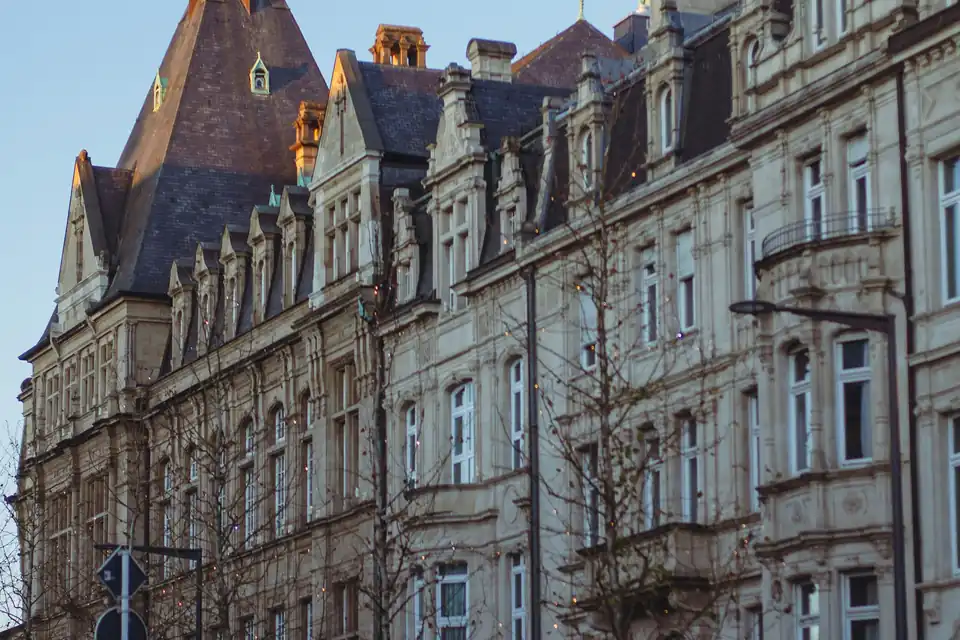
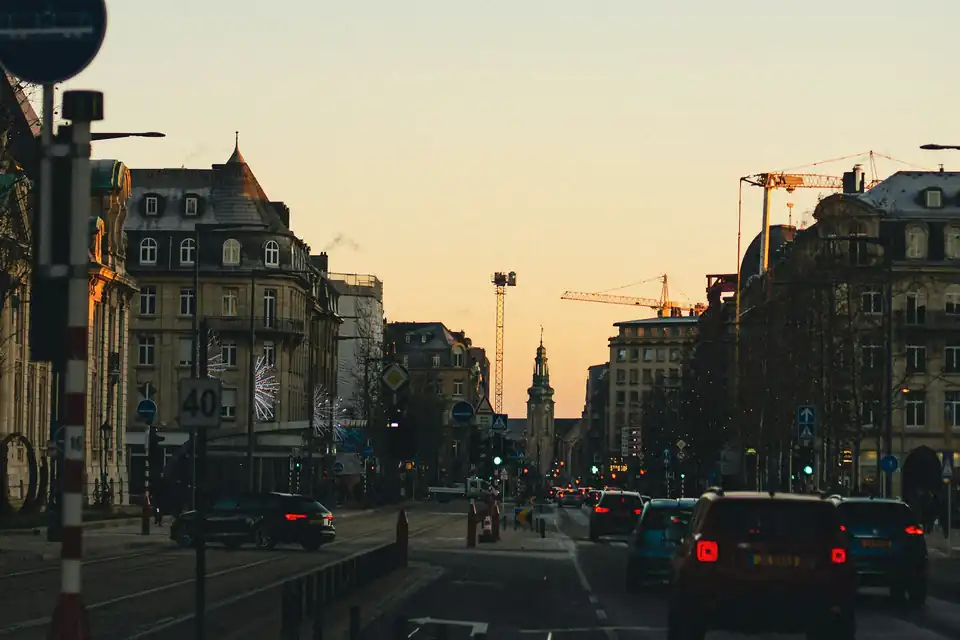
The Gare quarter spreads out from Luxembourg Central Station towards the Pétrusse valley and the old town. Its spine is the Avenue de la Liberté, which runs from the station to the Adolphe Bridge and carries the T1 tram. Around it, a grid of streets combines late nineteenth and early twentieth century apartment buildings, some of them handsome Belle Époque blocks, with offices, hotels and newer buildings.
For our overview of the quarter, see our Gare page.
Connections: the main reason people choose it
No address in the country is better connected.
- Luxembourg Central Station puts national rail, cross-border trains to France, Belgium and Germany, and international services on foot.
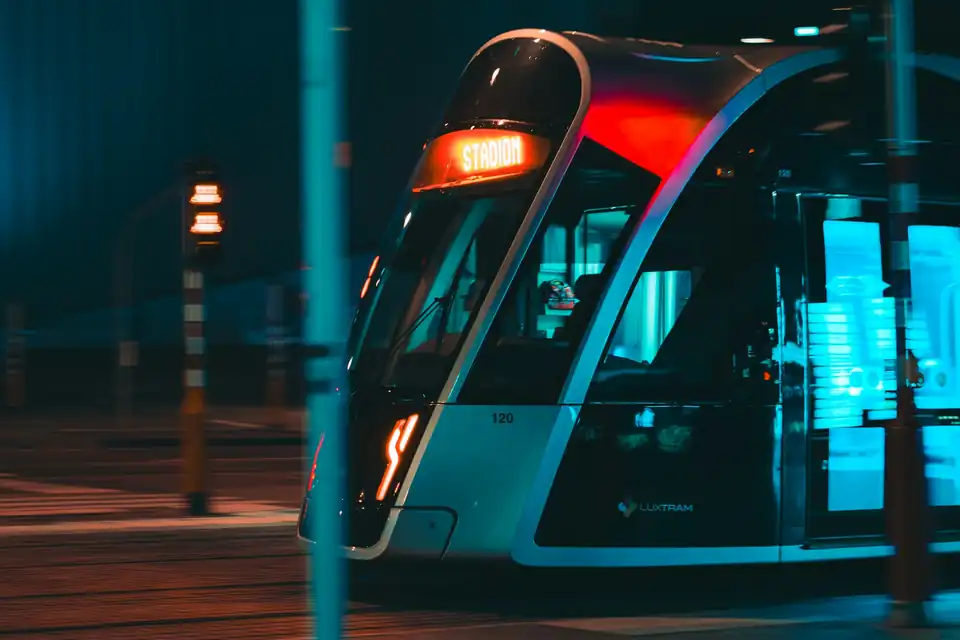
- The T1 tram stops at the station and runs through the quarter towards the Adolphe Bridge, the old town, Limpertsberg, Kirchberg and the airport in one direction, and Bonnevoie, Howald and Cloche d'Or in the other.
- The bus network converges on the station.
All of it is free. For anyone who travels often, commutes by train, or works at Kirchberg or Cloche d'Or, that matters more than almost anything else. Our guide to free public transport explains what is covered.
Everyday life
Daily life in the Gare quarter is on the street rather than in a mall. Supermarkets, bakeries, pharmacies, banks, dry cleaners, restaurants from many countries and late-opening shops are all within a few minutes. It is one of the few parts of Luxembourg City where you can do almost everything on foot, at almost any hour.
The quarter is also one of the most international in a very international city. You will hear many languages on the same street, and the restaurant scene reflects it.
The honest part
The Gare quarter is uneven, and it would be wrong to pretend otherwise.
- Some streets are busy at all hours. The immediate surroundings of the station, and certain streets nearby, are commercial, noisy and active late into the night.
- Others are calm. A few minutes' walk away, towards the Pétrusse or on quieter side streets, the atmosphere is residential.
- The station area has visible social problems, as station districts do in most European cities, with a regular police presence. Many residents feel perfectly comfortable; others prefer a quieter quarter.
That is why, more than anywhere else in the city, the exact address matters. We always recommend viewing a flat here in the evening as well as during the day.
The housing
The Gare quarter has more studios and small apartments than most of the city, in a mix of older buildings and recent conversions. That suits people arriving alone, on a defined contract, or with an uncertain end date.
Older buildings can have lovely ceilings and proportions, and also older heating and single-glazed windows. Ask for the energy certificate and check the noise with the windows closed. Our viewing checklist has the full list.
Changes in the quarter
The Gare quarter is changing. The tram has calmed the Avenue de la Liberté, public spaces have been redesigned, and on its western side the former industrial land of Nei Hollerich, a 21-hectare site behind the station, is set to become a new residential and business district over the coming decades, with first residents expected around 2030. We look at it in our guide to Hollerich.
Who it suits
- Frequent travellers and anyone who commutes by train.
- Professionals working at Kirchberg or Cloche d'Or, both one tram ride away.
- People on a first posting who want everything walkable and a small, practical home.
- Residents without a car, for whom the density is a strength rather than a drawback.
Who it suits less well
- Families looking for green space and quiet streets. Belair, Limpertsberg or Merl are closer to that.
- People who are sensitive to noise and cannot find a flat on a quiet street or at the back of a building.
- Anyone who would rather not live in a busy, mixed urban district.
Renting near the station
Our own Gare listing is a furnished studio with a private garden, which shows how varied the quarter's housing is: behind the busy streets there are courtyards and quiet corners that the listings rarely show. Availability of small units is better here than in most quarters, and it is often where a newcomer can find something within days rather than weeks.
As everywhere, check what the rent includes, how the deposit will be held and whether an agency fee applies. Our guides to rental charges and security deposits explain the rules.
Questions we are often asked
Is the Gare quarter safe?
For most residents, yes, in the way that the area around a large central station in any European city is safe: busy, mixed and with a visible police presence. Some streets immediately around the station have more visible social problems, particularly late at night. A few minutes away, the atmosphere is ordinary and residential. That is why we recommend visiting any flat in the evening before signing.
Is it noisy?
It depends entirely on the street and on which side of the building the bedroom faces. Rooms on the courtyard side of an older building can be remarkably quiet. Rooms above a bar on a main street will not be.
Can I live there without a car?
Easily. It is the quarter where a car is least necessary, with trains, the tram, buses and shops all on foot. If you do have one, look for a flat with a garage or rent a space; street parking is limited.
Our take
The Gare quarter is not trying to be charming, and it is the better for it. It is practical, connected, international and alive, with the unevenness that comes with those qualities. Chosen street by street, it is one of the most useful addresses in Luxembourg.
See our current listings or compare the quarter with its neighbours in our guide to the best quarters for working professionals.