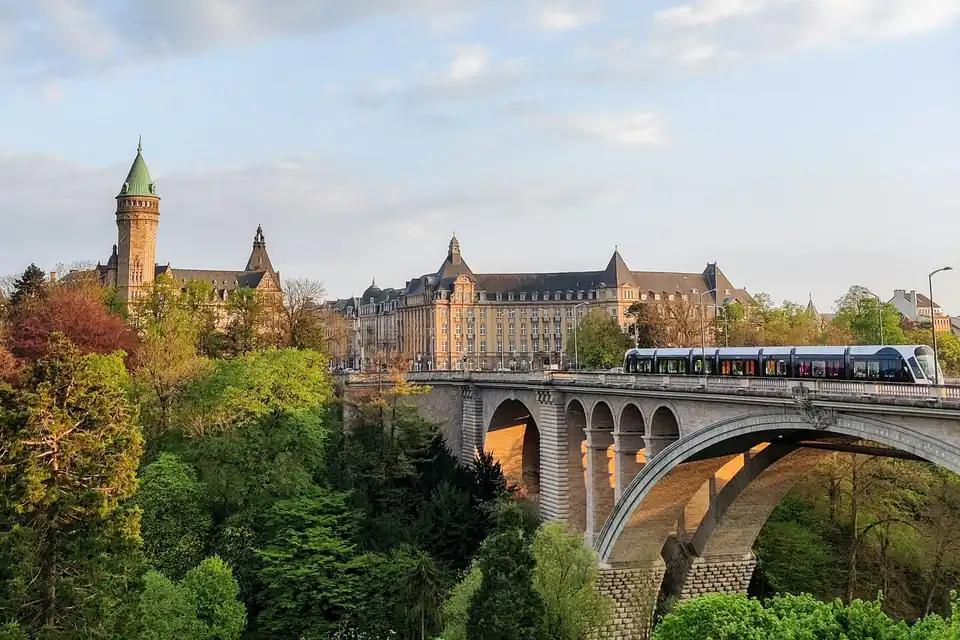
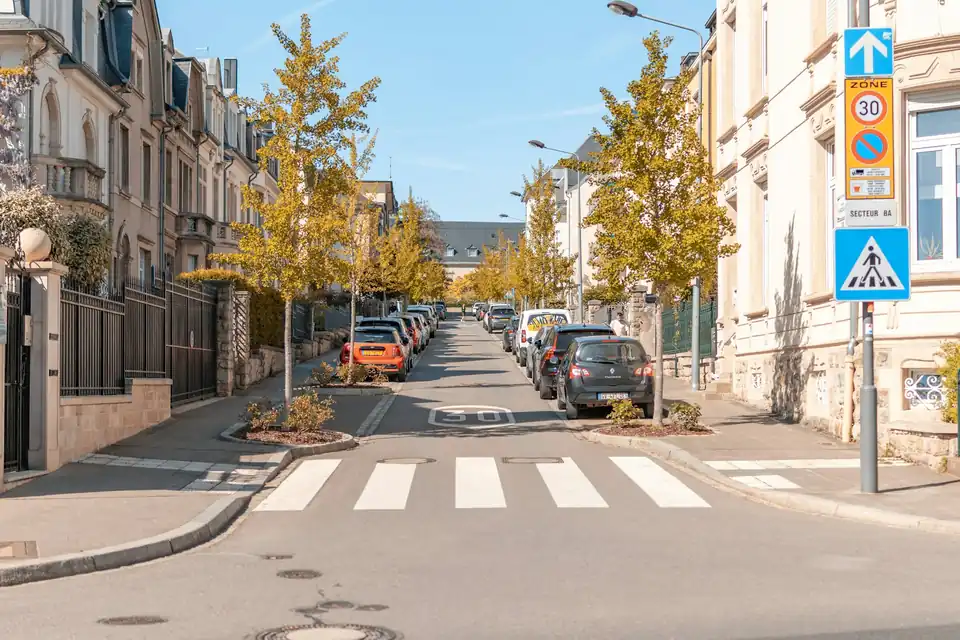
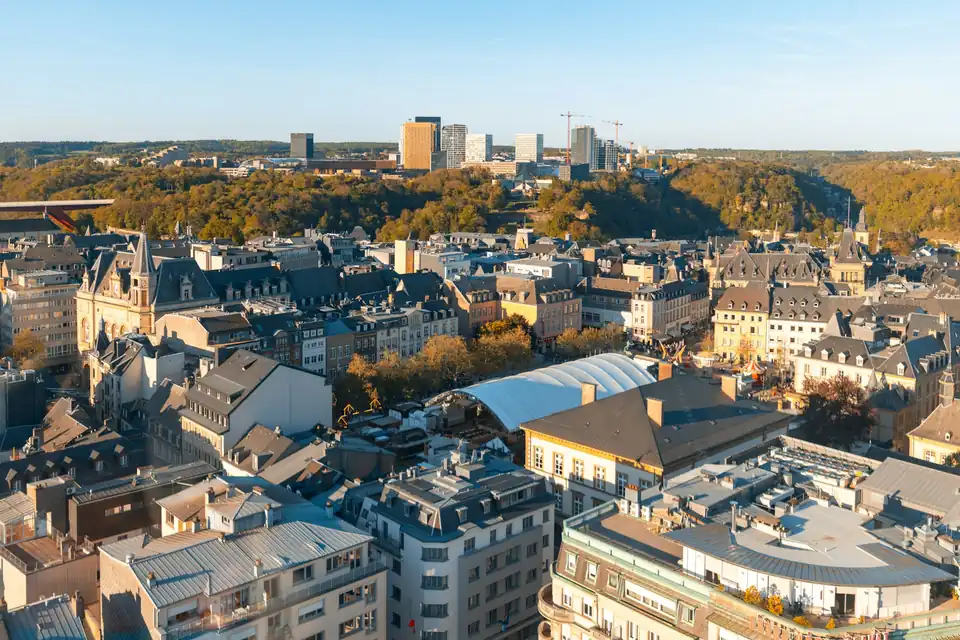
Atmosphere
Once a separate industrial town before merging into Luxembourg City, Hollerich today has a mixed, urban character with converted warehouses alongside residential streets.
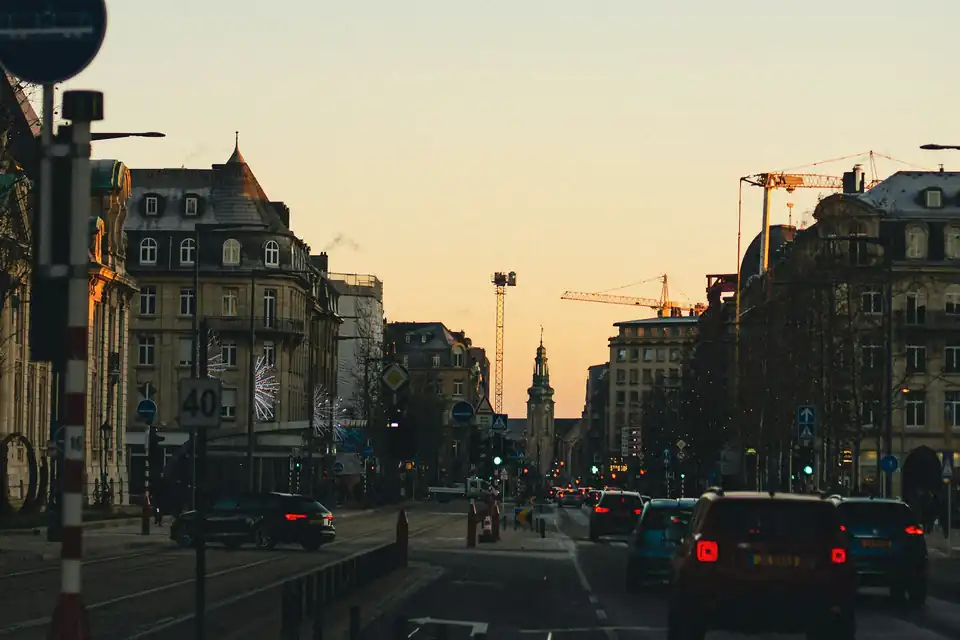
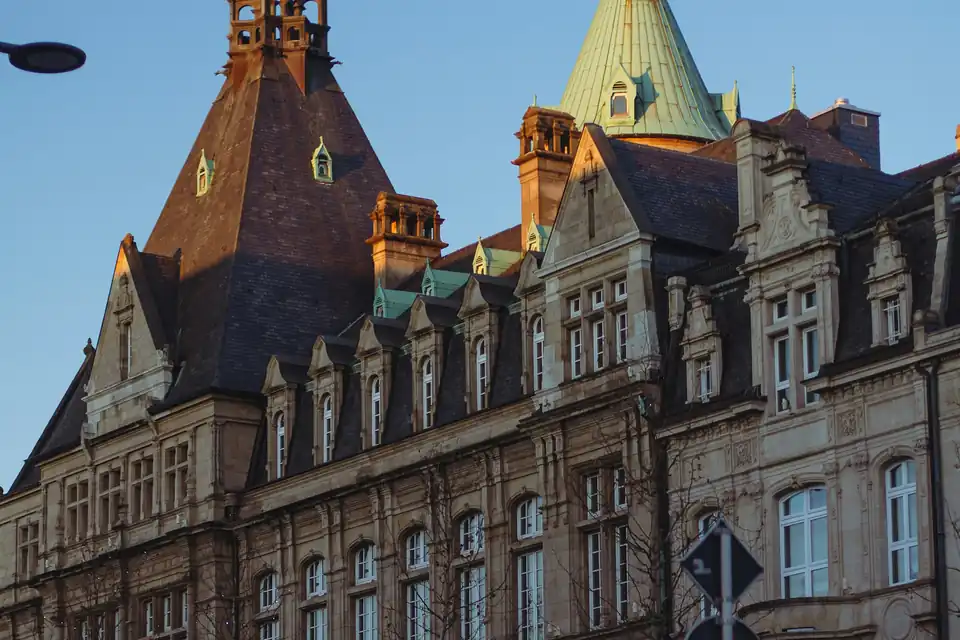
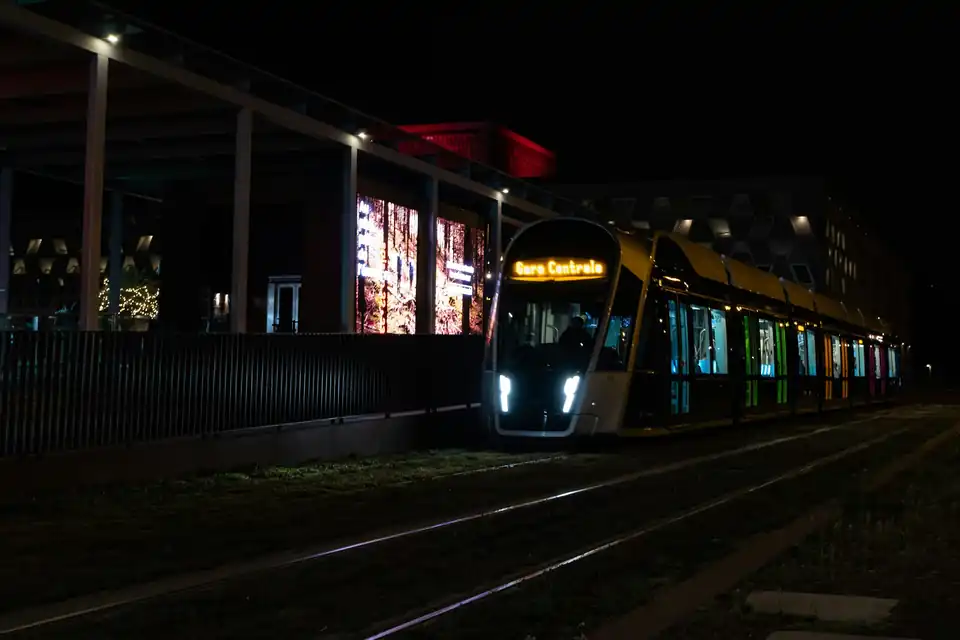
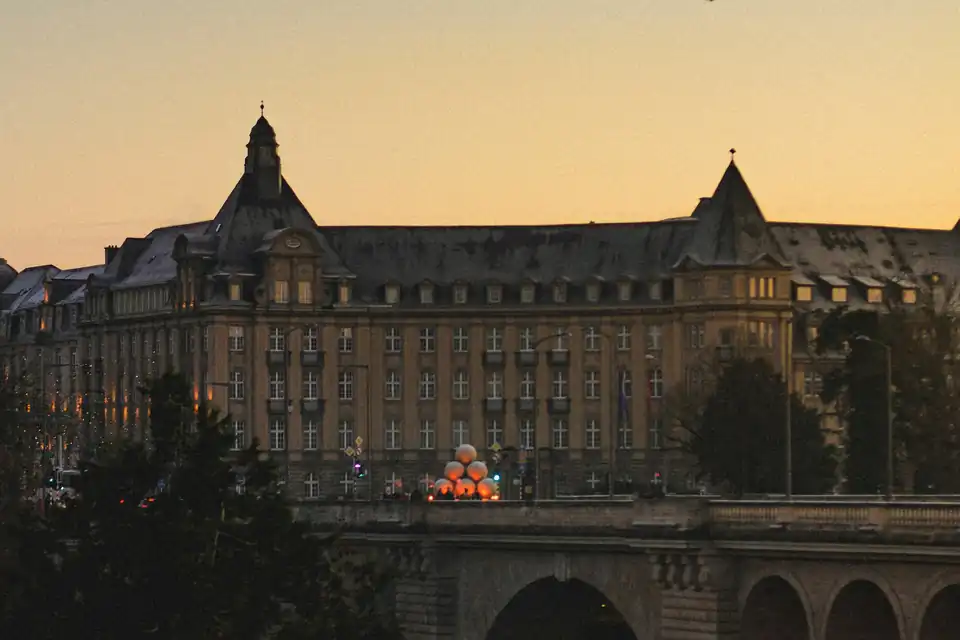
A practical urban base for commuters who want quick access to Gare and the city centre.
Hollerich, just south-west of the centre, is one of the city's most rapidly evolving districts, mixing older industrial buildings with new residential and commercial development.
“Watch this space - Hollerich is one of the districts changing fastest right now.”
The Aura take on Hollerich
Once a separate industrial town before merging into Luxembourg City, Hollerich today has a mixed, urban character with converted warehouses alongside residential streets.
Hollerich is well served by bus and tram links, sitting close to the central station and the city centre.
In short AVL bus lines, plus Gare connections and night service
A growing choice of restaurants and shops, alongside good connections to Gare and the centre.
In short The district sits close to Parc de Merl, P+R Bouillon, the central station and a growing mix of restaurants, shops and services.
Good for those who want an urban, central-adjacent address with easy access everywhere.
In short A practical urban base for commuters who want quick access to Gare and the city centre.
Every caption says exactly what the photograph shows. Where we let homes in Hollerich, you will also see real photos from our listings.
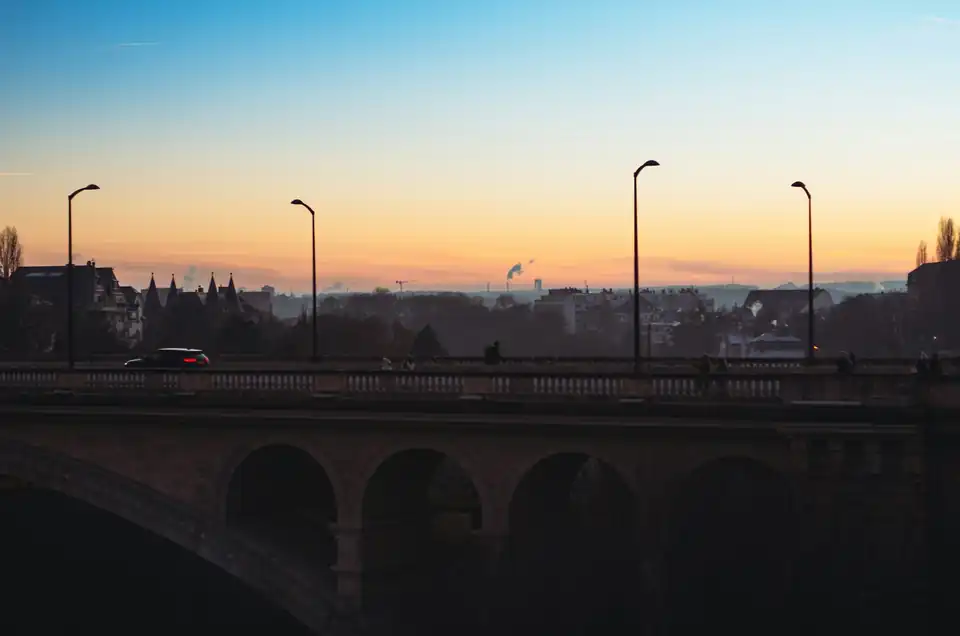
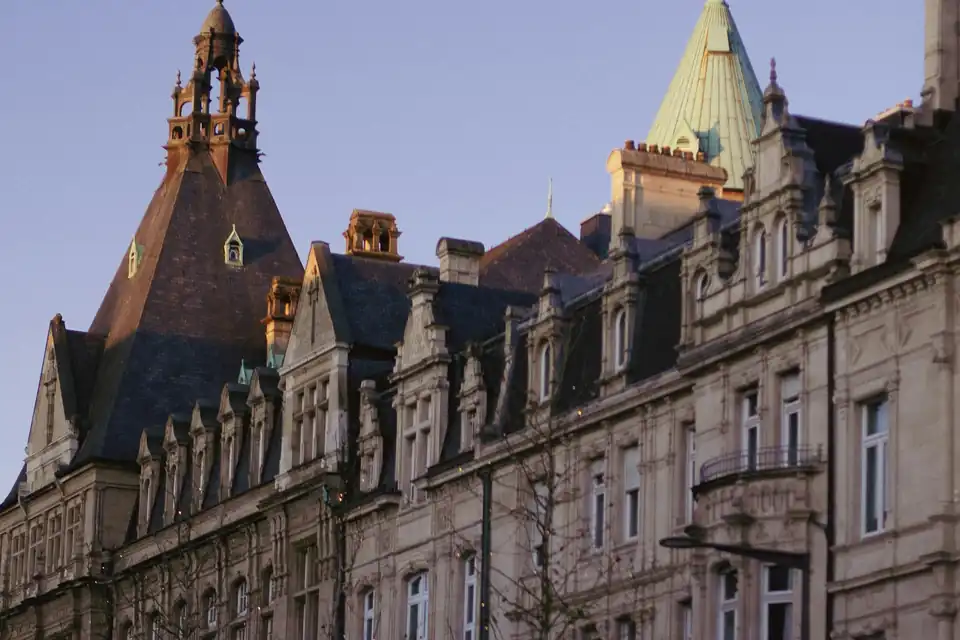
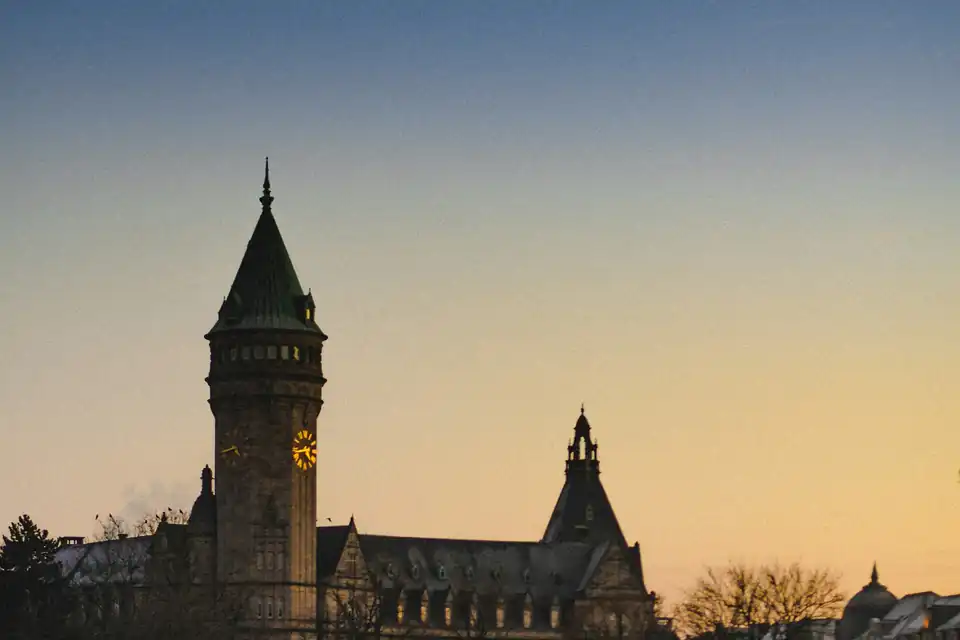
Hollerich runs west from the station area and is one of the quarters changing fastest. Its industrial and commercial past is still visible in warehouses and workshops, and redevelopment is steadily converting that stock into offices, housing and mixed-use buildings.
The mix is wide: older apartment buildings, converted commercial space and new construction side by side. That variety means real differences in condition and price within a short distance.
A quarter in transition is a quarter with building sites. Some streets are already pleasant and others are still working through their change, so viewing the specific address matters more here than almost anywhere else in the city.
The T1 tram serves this part of the city, alongside the AVL bus network, and all public transport in Luxembourg is free.
| Residents | 7,751 |
|---|---|
| Area | 1.60 km² |
| Density | 4,844 residents per km² |
| Part of the city | South-west |
Population and area: district figures of the City of Luxembourg, end of 2025.
Hollerich is first mentioned in a document in the tenth century. For most of its history it was a farming village on the Pétrusse and the road towards Esch. The arrival of the railway in 1859, with the station built on its territory, transformed it into one of the country's industrial centres. The iron and engineering company Paul Wurth settled here from 1891, alongside the Mercier champagne house and the Heintz van Landewyck tobacco factory.
Hollerich became a separate commune in 1796, during the French administration, and was granted town status in 1914, styled Hollerich-Bonnevoie. By 1916 it was the third most populous commune in the country, with over 15,000 inhabitants. On 26 March 1920 it was merged into Luxembourg City, together with Hamm and Rollingergrund.
Around 7,750 people live in Hollerich, on about 1.6 square kilometres. The quarter combines residential streets with offices, workshops and car dealerships along the main roads.
Hollerich's housing is varied: older buildings in the historic streets, post-war apartment blocks and newer buildings along the main axes. Prices are generally below the central quarters, and the proximity to the station attracts people who commute by train. Quality varies considerably from one building to the next, so careful viewing pays off.
The Nei Hollerich project will transform some 21 hectares of former industrial land into a new neighbourhood with around 2,200 homes for about 6,000 residents, with works starting in 2026 and first residents expected around 2030. We cover it in our article on Hollerich and Nei Hollerich.
Supermarkets, bakeries and services exist along the main roads, and the station area's shops are close. The quarter's restaurants and bars are concentrated around its main axes and Den Atelier.
With the Geesseknäppchen campus, Hollerich is one of the best-placed quarters for families with school-age children, including those at the International School of Luxembourg. The Parc de Merl is the main green space.
The central station and Hollerich station are close, with trains and the T1 tram. Several bus lines cross the quarter. By car, Hollerich gives direct access to the roads south and west and to the motorway network. All public transport is free.
Hollerich is home to about 7,751 residents on 1.60 km², a density of roughly 4,844 people per km², which makes it the 6th most densely populated of the 23 quarters in our guides. Around 28% of residents hold Luxembourgish nationality, lower than the city-wide share of about 31% (137,696 residents at the end of 2025, according to the City of Luxembourg). Like the capital as a whole, it is a genuinely international place to live.
Hollerich was first mentioned in the tenth century and grew from a farming village into an industrial centre after the railway station was built on its territory in 1859. Paul Wurth's iron and engineering works from 1891, the Mercier champagne house and the Heintz van Landewyck tobacco company all shaped it, and before it merged with the city in 1920 it was the third most populous commune in Luxembourg. A walk today starts near the Hollerich railway station on line 70, about 600 metres south-west of the central station, and continues past Den Atelier, one of the country's best-known concert venues, to the Campus Geesseknäppchen, the largest educational campus in the city, with the Athénée de Luxembourg, the International School of Luxembourg, the Lycée Aline Mayrisch, the Lycée Michel Rodange, the École de Commerce et de Gestion, the Conservatoire and an Olympic-size swimming pool. To the west, the Parc de Merl borders the quarter.
Hollerich's calendar is set by its concert venue, its schools and, increasingly, by the construction of Nei Hollerich, the new neighbourhood planned on the former Paul Wurth site, where works begin in 2026 and first residents are expected around 2030. Concert nights bring crowds to a few streets; school terms bring traffic around the campus in the morning.
| What residents appreciate | What to weigh up |
|---|---|
| Close to the central station and Hollerich station | Main roads and traffic in parts of the quarter |
| Major schools, conservatoire and pool on the Geesseknäppchen campus | Mixed, uneven urban fabric |
| Good road access for drivers | Years of construction ahead around Nei Hollerich |
| Den Atelier and evening life nearby | Few green residential streets compared with Merl or Belair |
| Quarter | Residents | People per km² | Luxembourgish | Tram in the quarter |
|---|---|---|---|---|
| Hollerich | 7,751 | 4,844 | 28% | No, buses |
| Gare | 11,292 | 10,728 | 18% | Yes |
| Merl | 6,602 | 2,719 | 32% | No, buses |
| Cessange | 5,214 | 793 | 34% | No, buses |
Population and area: City of Luxembourg district figures, end of 2025. Luxembourgish share rounded.
Hollerich is practical today and transformative tomorrow: close to the station, excellent for schools, and on the verge of becoming one of the city's major new neighbourhoods.
Hollerich is west of Luxembourg Central Station. Hollerich runs west from the station area and is one of the quarters changing fastest.
The mix is wide: older apartment buildings, converted commercial space and new construction side by side. That variety means real differences in condition and price within a short distance.
A quarter in transition is a quarter with building sites. Some streets are already pleasant and others are still working through their change, so viewing the specific address matters more here than almost anywhere else in the city.
The T1 tram serves this part of the city, alongside the AVL bus network, and all public transport in Luxembourg is free.
We do not have a listing in Hollerich at this moment. Availability changes regularly, so it is worth checking the full rental portfolio, or telling us what you are looking for on WhatsApp so we can contact you when something in this quarter comes up.
Giovani professionisti, creativi e persone che vogliono stare tra Gare e Merl.
Autobus e tram, con Gare e centro a breve distanza.
Ristoranti, negozi e servizi sono in crescita insieme alla trasformazione del quartiere.
Parc de Merl è vicino e offre un importante spazio verde.
Urbano, in trasformazione e più dinamico di molti quartieri residenziali.
See the existing Aura listings for the homes and rooms currently offered in and around this quarter.

Install the Aura app in a few seconds: listings, neighbourhood guides and the Journal, one tap away, even with a weak connection.