In this article
What the weather actually does
Luxembourg's winters are shaped by its inland, temperate position: expect frequent cloud, rain more often than snow at low elevation, and daytime temperatures typically hovering around freezing to a few degrees above it, with colder snaps bringing frost and occasional snowfall, particularly in the hillier north (the Ösling) rather than the city itself. Snow does fall in Luxembourg City some winters, sometimes settling for a few days, but a snowy December is not guaranteed. The bigger daily reality is daylight: by late December, sunrise is around 8:15 and sunset before 17:00, so much of the working day happens in the dark either side of a short window of daylight.
Heating, ventilation and condensation
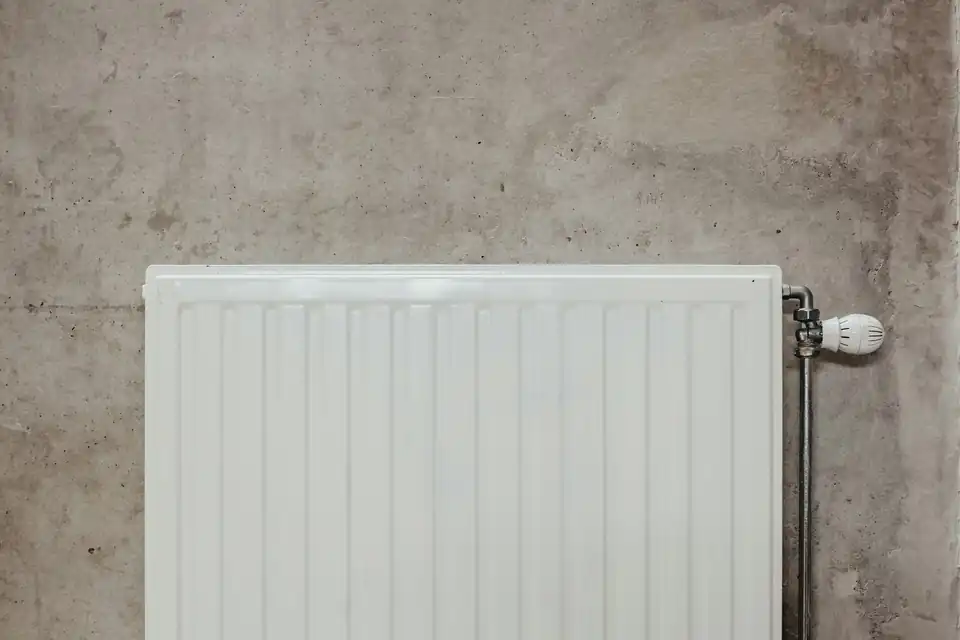
Older buildings in quarters like Bonnevoie, Hollerich or parts of Merl were often built before modern insulation standards, and combined with double glazing that seals a flat tightly, winter is when condensation and mould problems tend to appear, especially in bathrooms, bedroom corners and behind wardrobes pushed against external walls. Ventilating rooms briefly but fully each day, even in the cold, and keeping a minimum background heat in every room rather than switching radiators off entirely, are the two most effective habits. We cover the causes, prevention and who is responsible for damp and mould under a Luxembourg lease in detail in our guide to condensation and mould; it is worth reading before your first winter in an older rental.
Winter tyres: a real legal obligation
Unlike some countries where winter tyres are only recommended, Luxembourg law requires them whenever winter driving conditions are present. According to guichet.lu, the obligation applies when the road surface shows black ice, packed snow, slush, ice sheets or frost; there is no fixed calendar start or end date, so the rule can apply on any date once conditions match. Tyres must carry an "M+S", "M&S" or alpine (mountain and snowflake) marking, and all four tyres on the vehicle must be of the same type. Heavier vehicles such as lorries, coaches and motor homes over 3,500 kg must fit winter tyres on all drive axles. Driving without compliant tyres in winter conditions can bring an on-the-spot fine.
In practice, most residents switch to a dedicated set of winter tyres for the coldest months and swap back in spring; many garages offer seasonal tyre-change and storage services, which is a convenient option if you do not have space to keep a spare set of wheels.
If you are renting or buying a car for the first time in Luxembourg, ask specifically whether winter tyres are fitted or included, since a car advertised with only summer tyres will need a second set before the first cold snap.
Snow clearing: whose job is it
Luxembourg communes generally require residents and building owners to clear snow and ice from the pavement immediately in front of their property, and to spread grit or sand where needed, under communal police regulations (règlement de police). The exact wording and any penalties vary by commune, so check your commune's own rules (available from the commune administration or its website) rather than assuming the same standard applies everywhere. For a rented flat, check your lease or ask the landlord or syndic whether this duty falls to the tenant, the building's caretaker, or is shared through the co-ownership charges; in an apartment building it is usually the syndic who arranges clearing for common areas, while ground-floor tenants or houses more often have the direct duty themselves.
Winterlights: the city's festive season
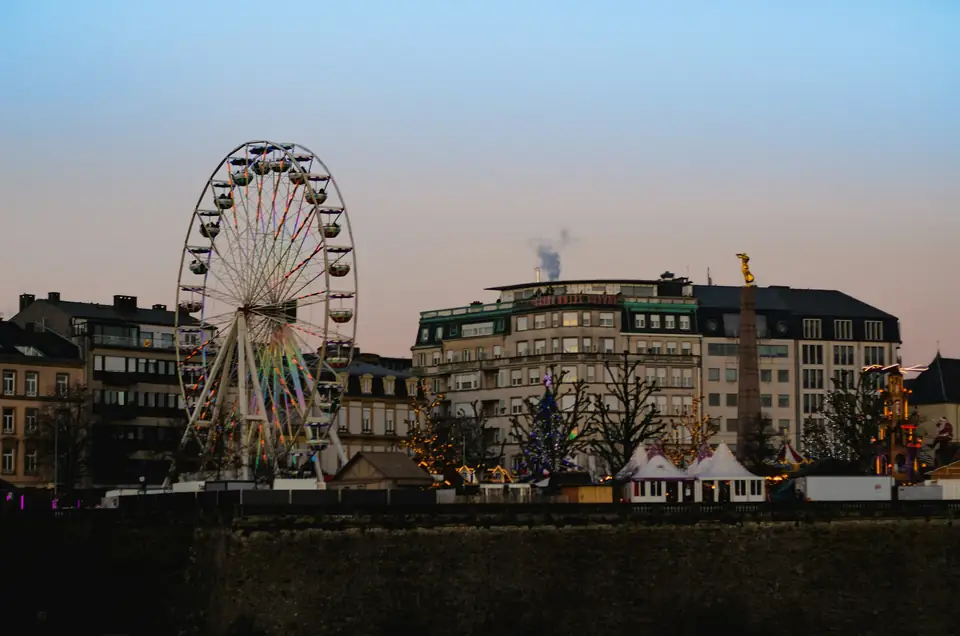
From late November into early January, the city runs Winterlights, its umbrella brand for the season's Christmas markets, concerts, exhibitions and children's workshops across several sites in the city centre. According to the Ville de Luxembourg, the 2026 edition runs from 20 November 2026 to 3 January 2027, with markets and activities spread through the centre, easily reached from the Hamilius hub by tram or by the many bus lines that stop nearby. Exact stall locations and the ice rink's placement can shift slightly from year to year, so check the official Winterlights page closer to the date for the current year's site map and opening times.
The markets are a genuinely good introduction to the city for newcomers: mulled wine, local crafts, and a rare chance to see Ville Haute and the Knuedler (Place Guillaume II) area lit up and full of people in the evening, when the historic centre can otherwise feel quiet after office hours.
Buergbrennen: burning winter away
On the first Sunday of Lent, communes across Luxembourg light large bonfires, known as Buergbrennen, on hilltops and open ground, a tradition with roots in pre-Christian seasonal rites marking the symbolic end of winter. It remains a genuinely local, communal event, often organised by youth groups or fire brigades, with a bonfire visible from several quarters of the city depending on the year's chosen sites. It is one of the more distinctive dates on the Luxembourg calendar and worth attending at least once if you get the chance.
Carnival
Luxembourg's carnival season (Fuesend) runs in the weeks before Lent, with costumed events, parades and parties in the city and surrounding communes, though on a smaller scale than carnival traditions in neighbouring Germany or in Belgium's Wallonia. It overlaps with the winter school holiday period, so if you have school-age children, check the commune's carnival programme alongside the official school holiday dates for the year.
Staying comfortable through the season
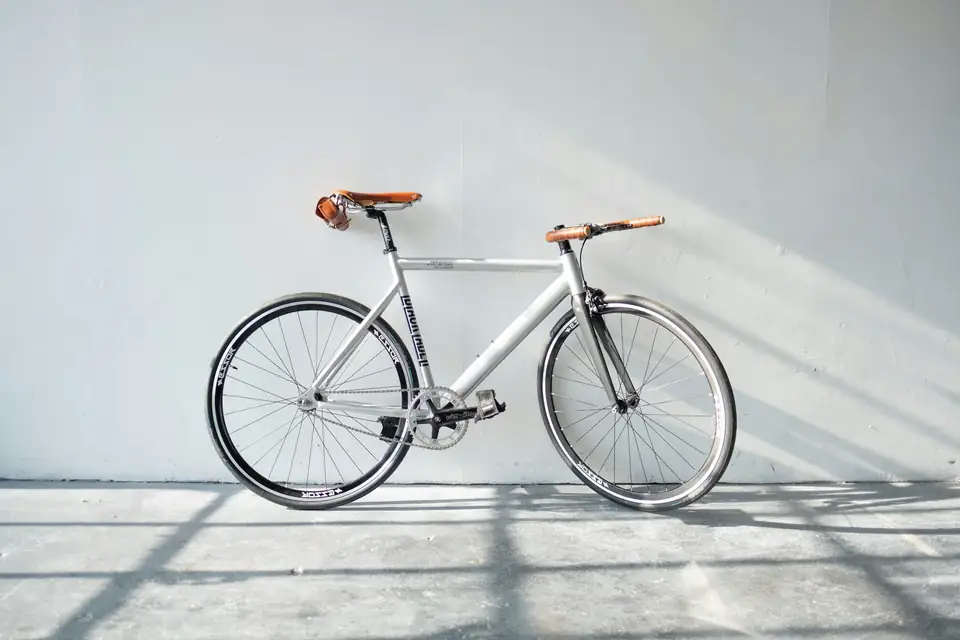
A few practical points make the darkest months easier: a good waterproof coat and proper footwear matter more here than a heavy down jacket, since rain and damp cold are more common than deep snow; if you commute by bike or on foot, lights and reflective gear are worth using well before the clocks change; and because daylight is so limited by mid-afternoon in December, many residents make a point of getting outside around midday, even briefly, rather than losing the whole short day to indoor light.
Our take
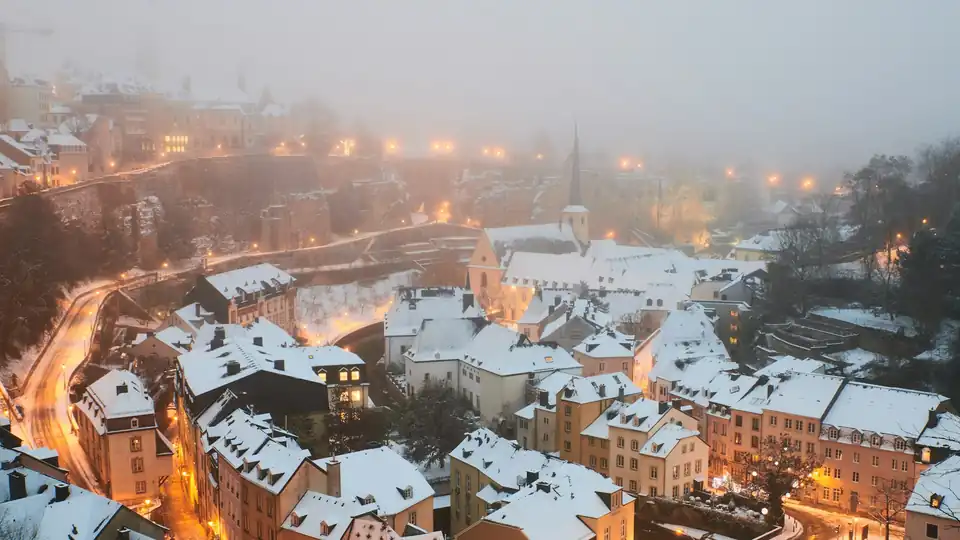
Winter is when Luxembourg's compact scale works in the city's favour: everything from the markets to the museums to a quiet walk through the Grund's snow-dusted rooftops is close by, and public transport keeps running reliably through cold and damp weather that would disrupt a larger, more spread-out city. If you are viewing a flat for the first time in winter, take the chance to check how well it holds heat and how the windows perform, since a cold viewing tells you more about a building's insulation than a warm one ever will. Browse our current listings or get in touch to arrange a viewing.
Sources
- Winter tyres compulsory in Luxembourg for winter driving conditions, Guichet.lu
- Winter tyres are compulsory in Luxembourg in winter conditions, Guichet.lu
- Winterlights, Ville de Luxembourg
- The magic of Christmas markets has begun, Luxembourg.public.lu
- Buergbrennen, let's burn winter together, Luxembourg.public.lu
This article gives general practical information. Services, prices and rules change; check the current details with the operator or the commune concerned.