In this article
Your driving licence
The rules depend on where your licence was issued. The authority is the SNCA (Société nationale de circulation automobile), and the procedures are described on Guichet.lu.
Licences from the EU or EEA
A licence issued in another EU or EEA country remains valid in Luxembourg. You do not have to exchange it.
- Registration of the licence with the SNCA is optional and free. It makes replacement easier if the licence is lost or stolen.
- Exchange for a Luxembourg licence is optional, except in specific cases such as adding a new category or when a restriction must be recorded. It costs €30 and can be done once you have been resident for at least 185 days.
Licences from outside the EU
This is where the deadline matters.
- A non-EU licence can be used in Luxembourg for one year after you take up residence.
- Within that year, you should apply to have it transcribed into a Luxembourg licence. The application can be made once you have been resident for 185 days.
- For most car and motorcycle categories (including B, BE, A and its sub-categories), transcription within the first year does not require a driving test. Categories for trucks and buses require theory and practical tests.
- The fee is €30. Documents include a medical certificate, criminal record extracts from Luxembourg and from your country of origin, a photograph and copies of your licence and identity document.
Put the date in your calendar. If the one-year window passes, the procedure becomes more demanding. The 185-day minimum and the one-year limit leave you roughly six months to apply.
Bringing or buying a car
Registering a car from abroad
If you move to Luxembourg with a car registered in another country, you will generally need to register it in Luxembourg once you are resident. Registration is handled by the SNCA and involves a technical inspection, proof of insurance and the vehicle's documents. Check the current requirements and timelines with the SNCA when you arrive.
Buying locally
Luxembourg has a competitive car market, including many leasing and company-car arrangements. If your employer offers a company car, check how it is taxed as a benefit in kind; our guide to income tax for newcomers explains the basics of the system.
Insurance and inspection
Third-party liability insurance is compulsory. Vehicles are subject to periodic technical inspection at the SNCA.
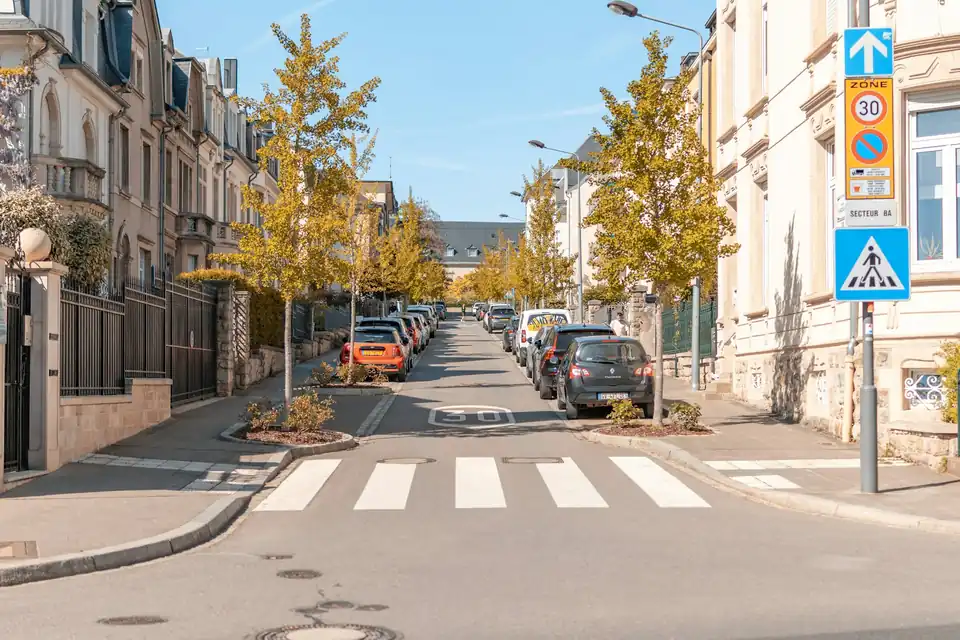
Parking in Luxembourg City
Parking is the part of car ownership that most affects where you live.
- Residential parking permits. The City of Luxembourg issues residential parking permits (vignettes) to residents for their vehicles. According to the City, a household can obtain up to three: the first is free, the second costs €60 and the third €120 a year. The permit allows unrestricted parking in the zone where you live, and comes with a parking disc giving two hours of free parking elsewhere in the city on the street and in above-ground car parks.
- Visitor permits can be requested for guests, within limits.
- A permit is not a space. In the old town, the valley quarters and parts of the Gare quarter, finding a space near home can be hard at any time. A flat with a garage, or a rented space nearby, is worth a lot in those quarters.
Before renting or buying, ask whether the home includes parking, and check the street at the time you would come home.
Do you need a car at all?
It depends on where you live and work.
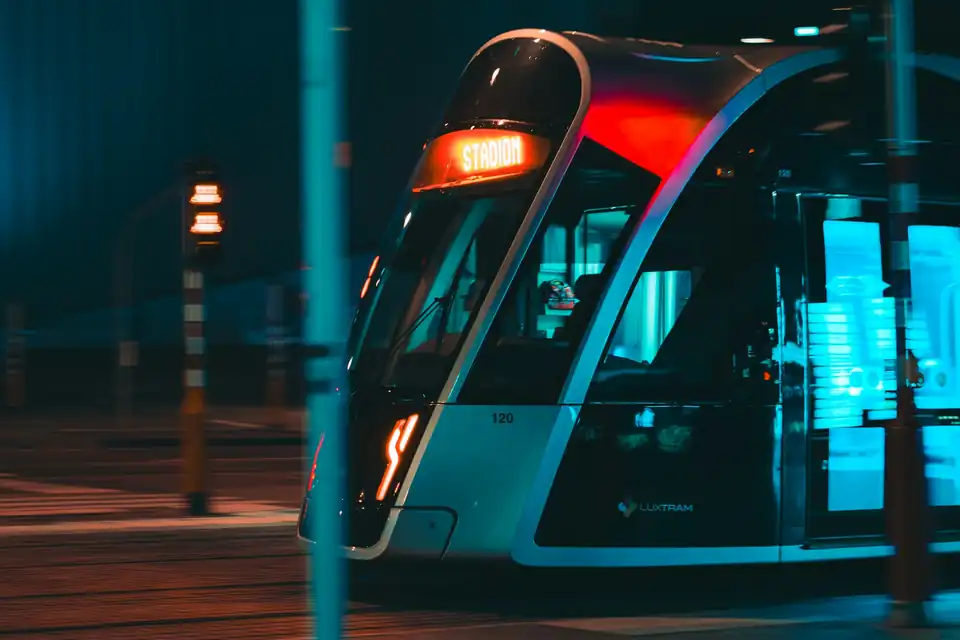
- Probably not if you live and work near the tram line, in the Gare quarter, Bonnevoie, Limpertsberg, Kirchberg or Cloche d'Or, or in the old town.
- Probably yes if you live in the quieter residential quarters on the edges of the city, have children at a school across town, or work somewhere poorly served by public transport.
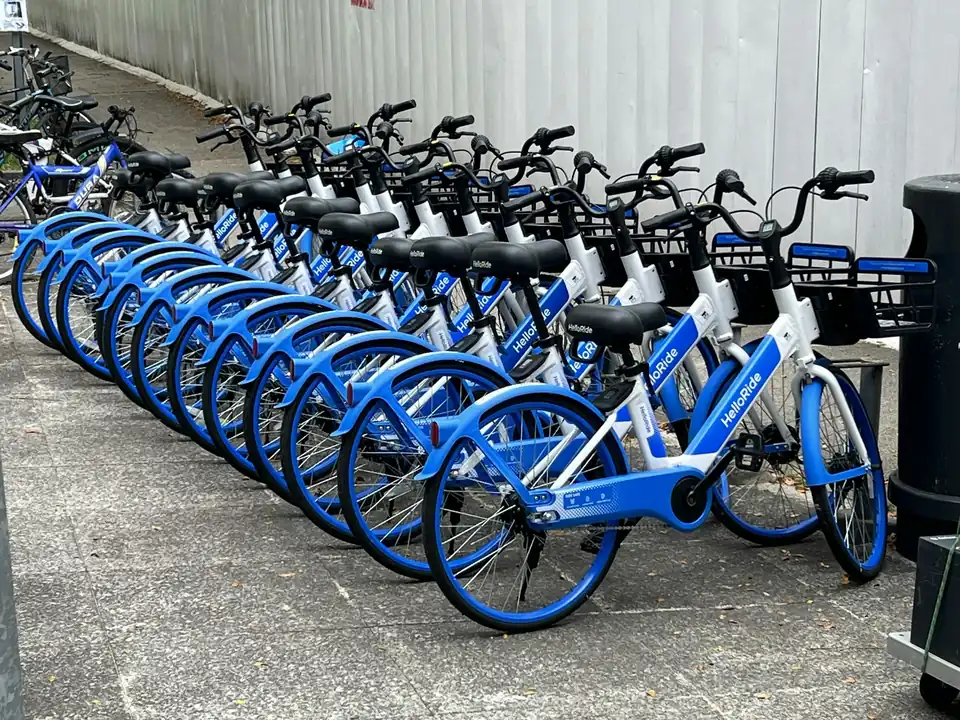
Many residents compromise: no car during the first months, using the free public transport, the vel'OH! electric bike-share and car-sharing for occasional trips, then deciding once they know their routines. Our guides to free public transport and getting around without a car explain the options.
Driving across the border
Fuel is generally cheaper in Luxembourg than in neighbouring countries, which is why petrol stations near the borders are busy. Rush-hour traffic on the main roads into the city, especially from France and Belgium, is heavy. If you plan to live across the border and drive in, test the journey at rush hour. Our guide to living in the city or across the border weighs up the options.
Questions we are often asked
Can I drive on my non-EU licence while I wait for the transcription?
Yes, within the first year of residence, provided the licence is valid. After that year, it is no longer valid in Luxembourg, which is why applying in time matters.
Do I need an international driving permit?
Some foreign licences require an official translation or an international driving permit to be used in Luxembourg. Check with the SNCA for your country of issue.
Is it easy to find a parking space near home?
It depends entirely on the quarter. In the quieter residential areas, usually yes. In the old town and the valley quarters, often not, even with a residential permit.
Our take
For many newcomers to Luxembourg City, the best car decision is a delayed one. Sort out your licence within the deadlines, live the first months with the tram and the bus, and then decide whether a car earns its place and its parking space.
If parking matters to you, tell us when you search. Several of our listings include a parking space, and we always say so. See our current listings.
Sources
This article gives general practical information. Services, prices and rules change; check the current details with the operator or the commune concerned.