In this article
The old town as a neighbourhood
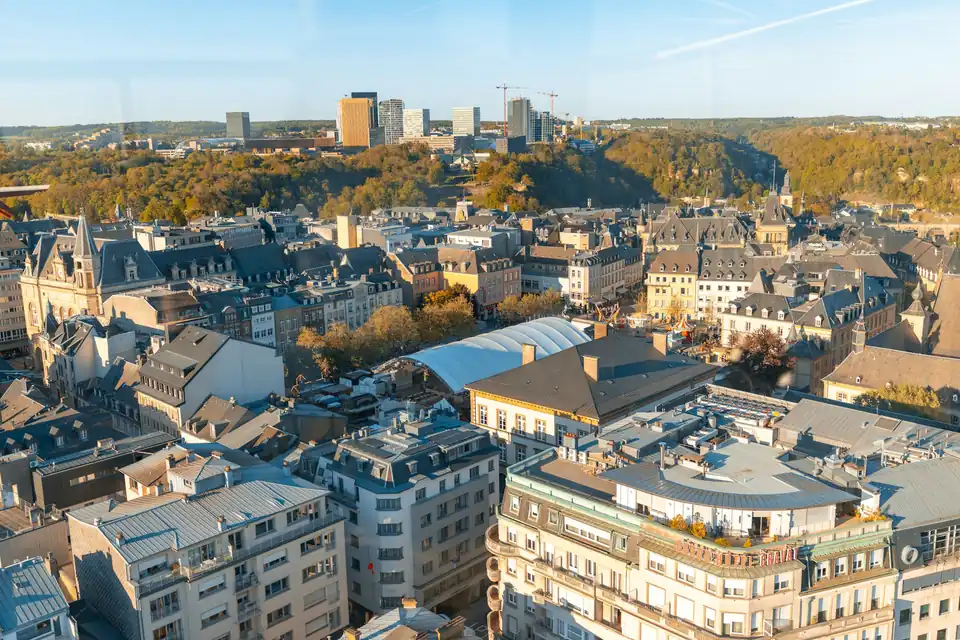
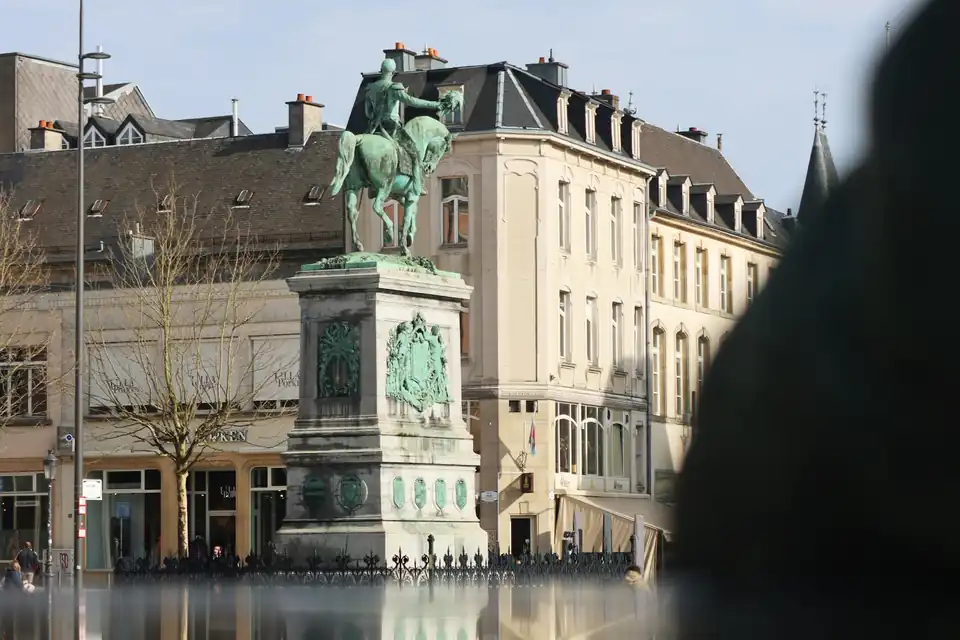
Ville Haute is the historic centre on the rocky promontory above the Alzette and Pétrusse valleys. It holds the Grand Ducal Palace, the Chamber of Deputies, Notre-Dame Cathedral, the main pedestrian shopping streets, Place d'Armes and Place Guillaume II, known locally as the Knuedler. The old quarters and fortifications of the city are listed as a UNESCO World Heritage site.
It is also, quietly, a residential quarter. People live above the shops on the Grand-Rue, in the lanes around the cathedral, in apartment buildings towards the Boulevard Royal and the park. For our overview, see our Ville Haute page.
What you gain
Everything on foot
Ville Haute is the one quarter where a car is truly unnecessary. Shops, restaurants, museums, the Cercle Cité, doctors, pharmacies and administrations are within walking distance. The tram runs along the edge of the old town, and lifts connect it to the Grund and to Pfaffenthal below.
A setting nobody else has
Walking home past the palace, taking the Corniche for a morning run, or looking out on slate roofs and spires from your window is a daily pleasure that does not fade quickly.
The city's cultural life
Concerts, exhibitions, markets, the national day celebrations, summer festivals and the winter market happen on your doorstep.
What you live with
Visitors and events
The old town hosts the country's largest public events, and tourists every day of the year. Squares that are charming at noon can be loud at midnight during a festival. Ask whether the flat you are viewing looks onto a square or a quiet lane.
Deliveries and early mornings
Pedestrian streets are served by delivery vans in the morning. Street cleaning and bin collection start early. None of this is unusual for a city centre, but it is part of the rhythm.
Parking
Parking is the most serious constraint. Many streets are pedestrian or restricted, residential spaces are scarce, and few older buildings have garages. If you own a car, you will likely need a rented space in one of the public car parks. The City issues residential parking permits, but they do not create spaces.
Space and layout
Old buildings mean character: beams, deep windows, thick walls, stairs. They also mean smaller rooms, irregular layouts, and sometimes no lift.
The housing
Residential housing in Ville Haute is limited and varied:
- Apartments above shops on the main streets, often in historic buildings, sometimes with more than one level.
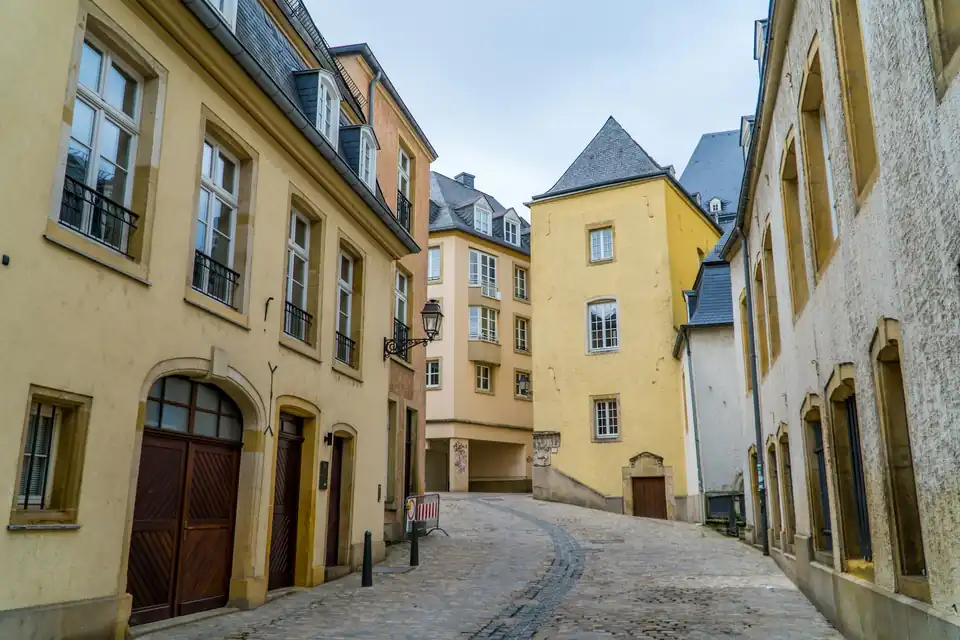
- Flats in the quieter lanes around the cathedral and the palace, which are the most sought after.
- Apartments in larger buildings towards the Boulevard Royal and the edges of the old town, where layouts are more regular and lifts more common.
Supply is low and prices reflect the address more than the size. Protected facades and old structures make renovation slow and costly, which matters for buyers. Always ask for the energy certificate and, in a co-ownership, the minutes of recent assemblies. Our guides to buying in a co-ownership and the energy passport explain why.
A typical day
Mornings begin with delivery vans and people walking to offices in the centre and to the tram. By late morning the shopping streets fill up. Lunchtime is busy with office workers. In the evening, the restaurant terraces around the squares are full in summer, and the lanes become quiet again after dinner. On Saturdays, the old town is the country's shopping street. On Sunday mornings, it is almost silent.
Who it suits
- Professionals working in the centre, in government, banks or institutions nearby.
- People without a car who want to walk everywhere.
- Couples and singles who value atmosphere and culture over space.
- Frequent travellers, with the station and the airport tram a short ride away.
Who it suits less well
- Families who need space, parking and green gardens. Limpertsberg or Belair are close alternatives with more of those.
- Light sleepers unless the flat is on a quiet lane or at the back of the building.
- Anyone who needs a car every day.
Questions we are often asked
Can I get a residential parking permit in the old town?
Residents can apply to the City for a residential parking permit, but spaces in the old town are very limited and much of it is pedestrian. Most residents who own a car rent a space in a public or private car park.
Is the old town noisy at night?
The squares and the main streets are lively on summer evenings and during events. The quieter lanes, particularly around the cathedral and the palace, are calm most of the time. The difference between two flats a hundred metres apart can be large.
Are there supermarkets?
Yes, smaller urban supermarkets and specialised food shops, plus markets on certain days. For a large weekly shop, many residents use the tram to reach larger stores elsewhere, or have groceries delivered.
Is it suitable for children?
Children can grow up happily in the old town, with parks along the edge of the promontory and schools nearby. The constraints are space and cars, not safety.
Our take
Living in Ville Haute is a choice for people who want to live in the city rather than near it. It rewards those who walk, who enjoy the life of a centre and who can accept its noise and constraints. It frustrates those who want suburban calm with a historic postcard outside.
Homes in the old town are rare. If you would like to be told when one comes up, tell us on WhatsApp, or browse our current listings. For a wider comparison, see our guide to the 24 quarters of Luxembourg City.