In this article
Why landlords require it
A tenant is responsible for damage they cause to the home, and, in some circumstances, for damage that starts in their home and spreads, such as a fire or a leak. The landlord's own building insurance protects the landlord; it does not necessarily protect the tenant from being held liable. Requiring the tenant to insure closes that gap.
Check your lease: it will usually say whether insurance is compulsory, what risks it must cover and when you must provide the certificate.
Is it a legal requirement?
No Luxembourg law obliges a tenant to take out home insurance. The requirement comes from the lease itself, not from the residential lease legislation. In practice this makes little difference: almost every lease offered by an agency or a landlord in Luxembourg includes a clause making insurance a condition of the tenancy, and failing to provide the certificate, or letting the policy lapse, is treated as a breach of the lease. Read the clause carefully so you know exactly which covers it requires and by when you must send proof.
What a tenant's policy covers
Policies differ between insurers, but a typical tenant's home insurance in Luxembourg combines three elements.
Tenant's liability (responsabilité locative)
Covers your liability towards the landlord for damage to the home caused by events such as fire, explosion or water damage. This is the part leases usually require.
Liability towards neighbours and third parties
Covers damage that starts in your home and affects others: the classic case is a washing machine hose that bursts and floods the flat below. In an apartment building, this is the most important cover you have.
Your belongings (contenu)
Covers your own furniture, electronics and personal effects against fire, water damage, theft and other events, up to the amount you declare. In a furnished rental, the furniture belongs to the landlord, so your contents cover mainly concerns what you brought.
Many policies can be combined with private civil liability insurance, which covers damage you cause to others in daily life outside the home. It is often inexpensive and worth adding, particularly for families and dog owners. Our guide to moving with pets explains why dog owners need it.
Water damage: the key risk
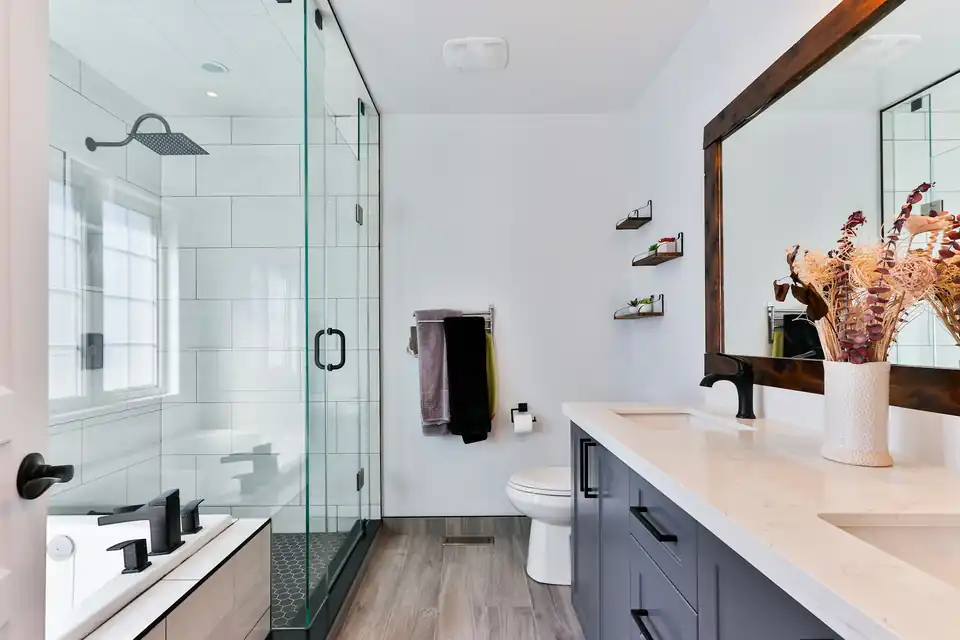
In Luxembourg apartment buildings, water damage is the most frequent claim. Leaks come from washing machines, dishwashers, shower joints, radiators and pipes. When water reaches the flat below, the costs of drying, repainting and replacing damaged items can add up quickly.
Two habits reduce the risk:
- check washing machine and dishwasher hoses and connections when you move in;
- report dripping joints or damp patches to the landlord promptly. Our guide to repairs in a rental explains who fixes what.
If a leak happens: stop the water at the source or the main tap, protect what you can, take photos, tell the neighbours below and the landlord or building manager, and call your insurer. Speed limits the damage and helps the claim.
Choosing a policy
Compare offers on:
- what is covered: tenant's liability, liability to neighbours, contents, theft, glass breakage, electrical damage;
- the declared value of your belongings, which should be realistic;
- the excess you pay on each claim;
- exclusions, for example valuables, bicycles kept in shared cellars, or items outside the home;
- the price, which for a flat is usually modest.
Several insurers in Luxembourg offer policies in English. Your bank may also offer one, but it is worth comparing. Ask for the certificate your landlord requires; insurers are used to the request.
Making a claim
If you need to claim, tell your insurer as soon as possible after the event, normally within the period set out in your policy, and keep photographs, receipts and any report from a plumber, electrician or the building manager. For a water damage claim in an apartment building, your insurer and the neighbour's or the building's insurer usually correspond directly to establish where the water came from and who pays; you mainly need to document the damage promptly and respond to their questions. Do not throw away damaged items until the insurer has confirmed it has what it needs.
Whose insurer pays first?
When damage crosses into another home, such as water reaching the flat below, the standard sequence is that the affected party makes a claim through their own building or contents insurer, who then seeks reimbursement from the insurer of whoever caused the damage once responsibility is established. As the tenant at fault, your role is mainly to report the incident to your own insurer immediately and cooperate with any expert appointed to establish the cause; you should not need to pay the neighbour directly if your policy is in order.
Shared flats
In a shared flat, check whether each flatmate needs their own policy or whether one policy covers the dwelling. Under the 2024 colocation rules, flatmates are jointly liable towards the landlord for the rent, and a clear agreement on insurance avoids gaps. Our guide to colocation suggests writing it into the colocation pact.
For a room let on its own lease, insurance covering your room and your liability is usually what the landlord requires.
Furnished rentals
In a furnished rental, the landlord's furniture is usually covered by the landlord's own insurance for events such as fire, but damage you cause to it through use can be your responsibility at the end of the lease. Ask what the landlord's policy covers, and record the condition of the furniture carefully in the entry inventory. See our guide to the état des lieux.
When you leave
Do not cancel your insurance before the keys are handed back and the exit inventory is done. Give the insurer your exit date and, if you are moving to another home in Luxembourg, transfer the policy to the new address.
Our take
Tenant's home insurance is one of the cheapest forms of protection you will buy in Luxembourg, and in an apartment building one of the most useful. Choose a policy that clearly covers your liability to the landlord and to neighbours, declare your belongings realistically, and keep the certificate with your lease.
For the full list of what to set up when you move in, see our guide to utilities, internet and home services, or browse our available homes.
This article explains the general framework of Luxembourg residential lease law and is not a substitute for legal advice on your individual contract. For official procedures and current forms, consult guichet.lu or your commune.