In this article
When an inventory is required
In Luxembourg, an entry inventory is required whenever the landlord asks for a deposit, which in practice means almost every rental. According to the Housing Ministry, it must be drawn up before the tenant moves in, jointly by both parties or by a person they appoint together.
An exit inventory is not strictly compulsory, but it is strongly recommended, and in practice it is the only way to compare the condition of the home on departure with the condition on arrival. Without both documents, disputes about damage become a matter of memory against memory.
In a shared flat, the guidance also mentions intermediate inventories when one flatmate leaves and another arrives, so that damage is attributed to the right person. We explain the colocation framework in our guide to flatsharing rules.
Why it matters so much for your deposit
Since August 2024, the landlord must return half of the deposit within one month of the keys being handed back, provided the exit inventory shows no difference from the entry inventory and no rent is outstanding. The balance follows once the annual charges have been settled. Late repayment carries a penalty for the landlord. The details are in our guide to security deposits.
The practical point is simple: the one-month rule only works in your favour if the exit inventory can be compared with a clear entry inventory. Every mark, stain or broken fitting that is not recorded at the start can be presented as damage at the end.
What a good inventory looks like
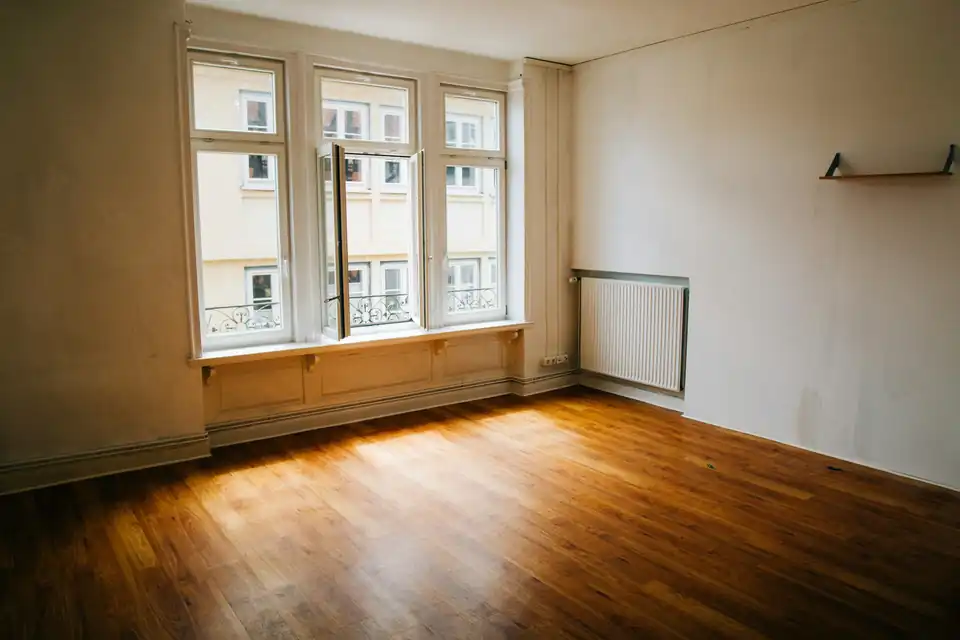
A useful inventory is specific, dated and signed by both parties. It describes each room in turn and each element within it. "Good condition" on its own is almost worthless. "Parquet in good condition, two light scratches near the window, 10 cm" is useful.
Walls, ceilings and floors
Note holes from previous nails or screws, patches of different paint, cracks, water marks, and the type and condition of the flooring. Parquet scratches and tile chips are among the most common disputes.
Windows, doors and shutters
Open and close every window. Check the seals, handles and locks. Test electric shutters. Note condensation marks or mould around frames, which often come back in winter.
Kitchen
Switch on every hob ring and the oven. Open the fridge and freezer and check the seals. Look inside cupboards and under the sink for leaks. Note the condition of the worktop, which scratches and stains easily.
Bathroom
Run the taps and the shower, flush the toilet, check the silicone joints and the extractor fan. Mould in joints is a classic end-of-lease argument; record it at the start if it is already there.
Heating and electricity
Turn on every radiator. Test every socket and light switch you can. Note the meter readings for electricity, gas and water, with photos of each meter.
Furniture and equipment
In a furnished home, list each item and its condition. Photograph the mattress, the sofa and any upholstered furniture. Note how many keys and access badges you receive.
Photos: how to take them properly
Photos are the best complement to the written document, provided they can be trusted.
- Take them on the day of the inventory, and keep the original files, which carry the date.
- Start each room with a wide shot, then take close-ups of every defect you note.
- Put an object in the frame for scale when photographing a scratch or a stain.
- Send the photos to the landlord by email the same day. The email itself becomes proof of the date and of what you shared.
A small habit that helps. Film a slow walk-through of the whole home with your phone before the inventory starts. It takes three minutes and captures things you may forget to note.
Signing and afterwards
Read the document before you sign it. If something is missing or wrong, add it by hand before signing, and ask the other party to initial the addition. Keep a signed copy.
If you discover a hidden defect after moving in, for example a radiator that does not heat or a leak that only appears with use, tell the landlord in writing as soon as possible, ideally within the first days. An email with photos is enough to create a record.
The exit inventory
At the end of the lease, arrange the exit inventory in advance and make sure the home is ready for it.
- Clean thoroughly, including the oven, the extractor hood and the bathroom joints.
- Fill small nail holes if the lease or the landlord asks for it, and remove anything you installed.
- Bring your copy of the entry inventory and your photos.
- Hand back every key and badge listed at the start.
Normal wear and tear is not damage. A parquet floor that has aged after three years of ordinary use is not the same as a floor gouged by moving furniture. The comparison with the entry inventory is what allows that distinction to be made fairly.
If the exit inventory shows no difference and no rent is owed, the one-month clock for the first half of the deposit starts when the keys are handed back.
Our take
We treat the inventory as a service to both sides. A tenant who records the condition of a home precisely is protecting the deposit; a landlord who does the same is protecting the property. The inventory is where good tenancies start and where most bad ones could have been avoided.
When you rent through Aura Properties, we carry out the entry inventory with you, room by room, with photos shared on the day. If you are renting elsewhere, take this guide with you, and see our step-by-step guide to renting a room for the rest of the process.
Sources
This article explains the general framework of Luxembourg residential lease law and is not a substitute for legal advice on your individual contract. For official procedures and current forms, consult guichet.lu or your commune.