In this article
How the two markets differ
Luxembourg's rental market has two fairly distinct segments.
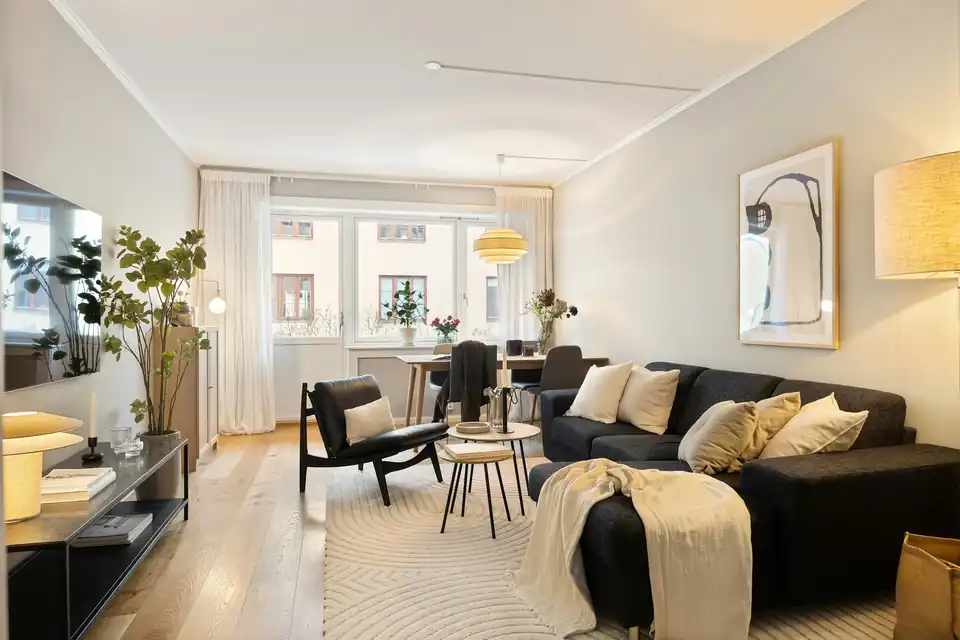
Furnished rentals are concentrated in rooms, studios and smaller apartments, and in central quarters close to the tram and the main employment areas. They are aimed at people arriving for a job, often from abroad, who need somewhere to live quickly.
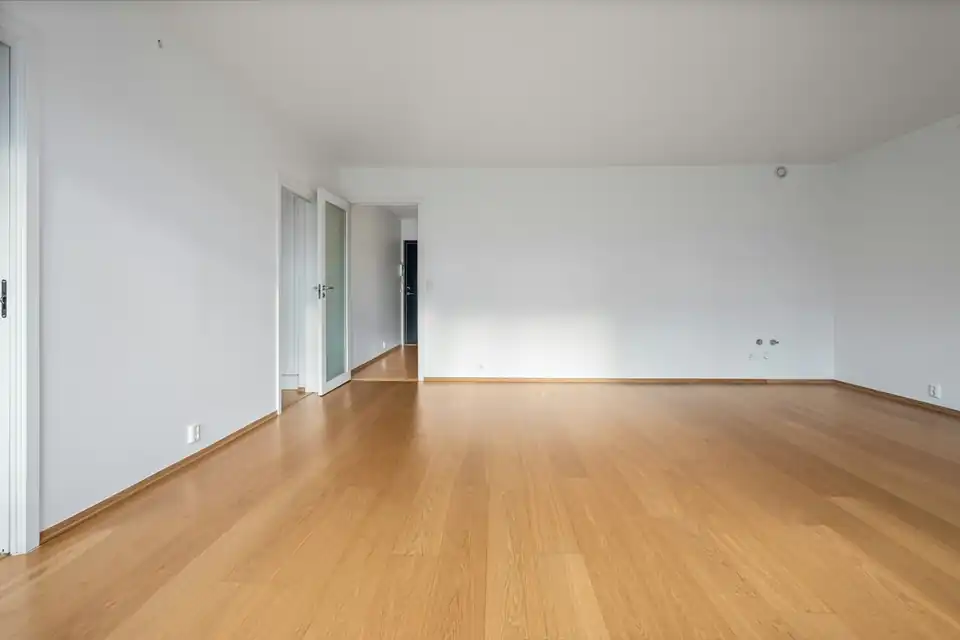
Unfurnished rentals make up the larger share of apartments and houses. In Luxembourg, "unfurnished" often means genuinely empty: no furniture, sometimes no light fittings, and in some cases a kitchen that is equipped only with the basics. Check what "fitted kitchen" means in each listing.
The case for furnished
Speed
A furnished home lets you arrive with two suitcases and start working the following Monday. For someone on a first posting, that matters more than almost anything else.
No upfront spending
Furnishing an apartment from scratch costs thousands of euros before you have received a single payslip. Beds, a sofa, a table, kitchen equipment, curtains, lamps: the list is long and the delivery times are real.
A registered address immediately
You need an address to register with the commune, and registration unlocks much of what follows: bank account, social security, tax card. A furnished room gets you there in days. Our guide to the first ninety days sets out the sequence.
Flexibility
Furnished rentals, especially rooms, are more often offered with shorter or more flexible terms. If you are not sure you will stay, that is worth paying for.
The case for unfurnished
Lower cost over time
Furnished homes carry a premium. The law allows a furnished supplement linked to the value of the furniture, and in practice furnished listings are priced higher than comparable empty ones. Over a lease of three years or more, owning your own furniture usually comes out cheaper.
Your own home
Unfurnished means your own bed, your own sofa and your own way of arranging things. For families and for anyone planning to stay, that matters.
More choice in larger homes
If you need two or three bedrooms, the unfurnished market is much wider.
What the law says about the furnished supplement
Luxembourg's rent ceiling applies to both kinds of home: the annual rent cannot exceed 5% of the capital invested in the dwelling. For furnished homes, the Housing Ministry describes a supplement for the furniture of at most 1.5% a month of the invoice value of furniture bought within the last ten years. We explain the ceiling in our guide to the 5% rent rule.
Two practical consequences:
- Ask for the split between the rent and the furniture supplement. It makes the price easier to compare.
- The deposit, capped at two months' rent since August 2024, is calculated on the rent. See our guide to security deposits.
The inventory matters more when furnished
In a furnished home, the entry inventory has to list the furniture and its condition, item by item. A stained mattress, a scratched table or a missing chair can become deposit deductions if they are not recorded at the start. Photograph every piece. Our guide to the état des lieux explains how.
A comparison
| Furnished | Unfurnished | |
|---|---|---|
| Time to move in | Days | Weeks, including deliveries |
| Upfront cost | Deposit and first rent | Deposit, first rent and furniture |
| Monthly cost | Higher | Lower |
| Typical terms | More flexible, especially rooms | Usually longer leases |
| Best for | First posting, uncertain stay | Families, long stays |
A common path
Many of the professionals we work with follow the same route. They start in a furnished room or studio close to their office or the tram, register, open a bank account, and learn the city. After six months to a year, once they know which quarter they like and how long they will stay, they move to an unfurnished apartment and furnish it at their own pace.
That sequence avoids two expensive mistakes: signing a long unfurnished lease in a quarter you chose from abroad, and paying a furnished premium for years out of habit.
If you go unfurnished, check the lighting and the kitchen before signing. Some unfurnished apartments come without ceiling lights, and some kitchens come without appliances. Both are fixable, but both cost money and time.
The hidden costs of going unfurnished
The furniture itself is the obvious expense, but it is rarely the only one. Delivery and assembly charges, a van for the day you move, curtains made to measure for windows that never match standard sizes, a washing machine if the building has no laundry room, and the time spent waiting for deliveries during your first weeks at a new job all add up. So does the cost of moving it all out again, or selling it, when you leave.
None of this makes an unfurnished flat the wrong choice. It means the comparison should be made over the whole stay, including the start and the end, rather than on the monthly rent alone.
Questions to ask for a furnished home
- Is there a separate furniture supplement, and what furniture does it cover?
- Are bed linen, towels and kitchen equipment included?
- Who repairs or replaces broken appliances?
- Are internet and electricity included in the charges?
- Is the lease for a fixed term, and is early exit possible?
Our take
For a first home in Luxembourg, furnished is usually the right call: it buys you time when time is what you have least of. For a second home, once you know the city and your plans, unfurnished is usually the better value.
Most of the homes we let at Aura Properties are furnished rooms and studios, precisely because that is what people need when they arrive. Every listing states what is included and shows real photographs of the room. See what is available now.
Sources
This article explains the general framework of Luxembourg residential lease law and is not a substitute for legal advice on your individual contract. For official procedures and current forms, consult guichet.lu or your commune.